Sound Damp-Viscoelastic Damping Compound

When sound energy strikes the surface of a wall or ceiling assembly, energy is transferred into the surface sheet material in the form of bending waves. Untreated, structural vibrations propagate throughout the floor, wall and/or ceiling structures to other rooms.

Sound Damp utilizes constrained layer damping technology, via viscoelastic material that is applied between two layers of gypsum wallboard, plywood or oriented strand board (OSB).


Product Details

Kinetics Noise Control Inc. Products

Product Description

When sound energy strikes the surface of a wall or ceiling assembly, energy is transferred into the surface sheet material in the form of bending waves. Untreated, structural vibrations propagate throughout the floor, wall and/or ceiling structures to other rooms.

Sound Damp utilizes constrained layer damping technology, via viscoelastic material that is applied between two layers of gypsum wallboard, plywood or oriented strand board (OSB).

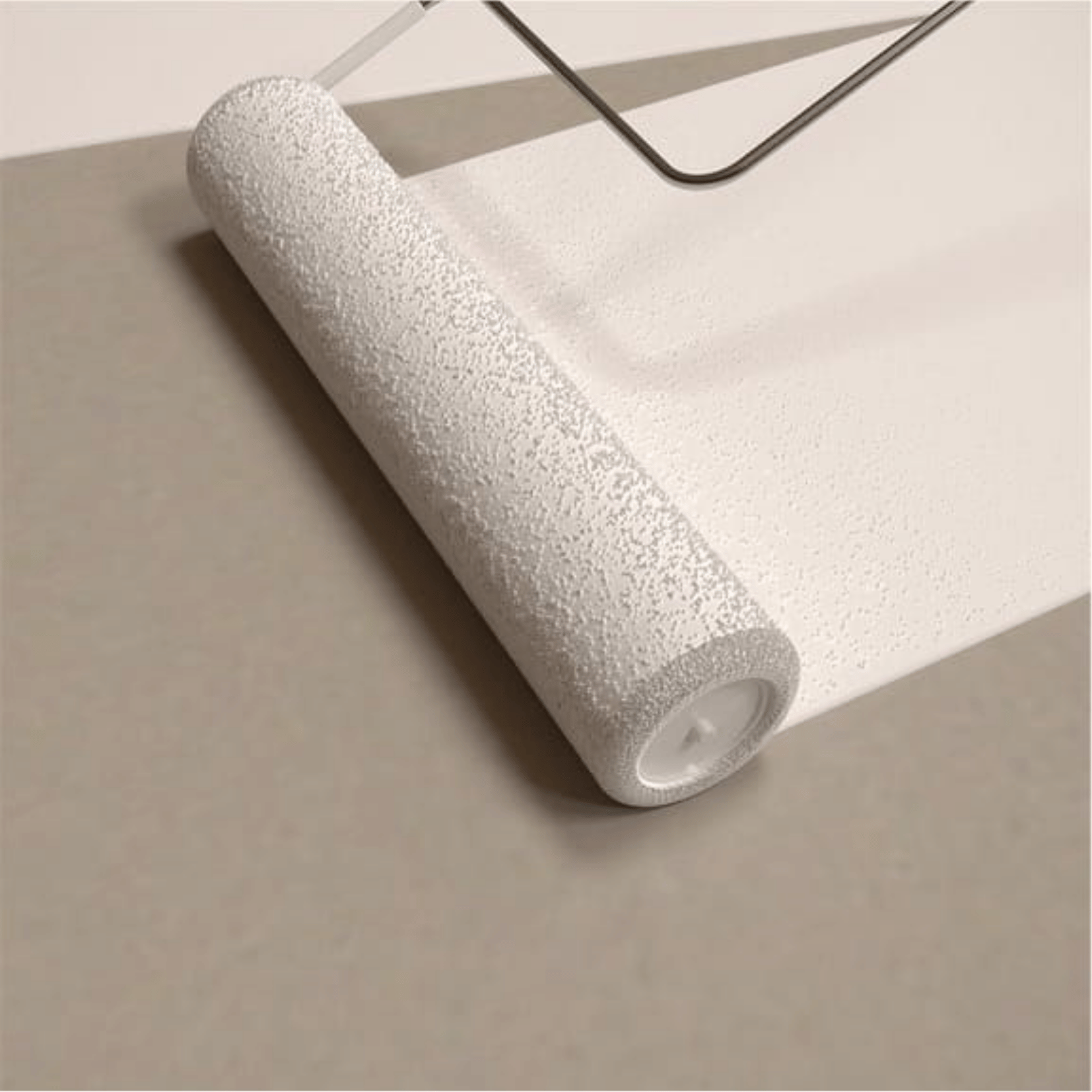
Because Sound Damp does not require caulking guns and tubes for application, it provides installation efficiencies and better yields. Sound Damp is simply and evenly applied with a low-nap paint roller, reducing your installation time significantly.

One five-gallon pail of Sound Damp treats 370 square feet (11-1/2 4×8 drywall sheets) for a better yield over conventional tubes.

Sound Damp is excellent for both wood and metal frame constructions and also damps vibrations in raised floorings, platforms and stages.

Noise Control

With Sound Damp, rooms become quieter for living and sleeping. Sound Damp dissipates structural vibrations and significantly reduces noise transmission between rooms, up to 40% compared to untreated wall assemblies.

Sound Quality

Sound Damp can also improve sound quality within the room. Sound Damp can reduce partition resonances and room reverberation times. Untreated room partitions can resonate and store the sound energy, which can be re-radiated back into the listening space later in time. Walls and ceilings also reflect lower frequency sound energy back into the room. These delayed and re-emerged sounds can distort the original signal, making the room sound slow, muddy and droning. Sound Damp reduces re-radiated sound energy by dissipating and absorbing wave deformations that impinge upon and within the partition. Rooms sound fast, dynamic and articulate with the use of Sound Damp in the partition assembly.

Installation

Sound Damp is water soluble and has been designed for easy and efficient installation.

Sound Damp is applied as a thin and consistent layer on the back of the second layer of drywall (or engineered wood) by simply using a low-nap paint roller. Sound Damp has the consistency of toothpaste.

Fasten the second layer of sheathing (per manufacturer’s instructions) to the first layer within 10 minutes of applying Sound Damp.

Apply Sound Damp between 40-120 degrees F.

Store sealed in a cool place, away from the sunlight.

Application

Features & Benefits

Benefits

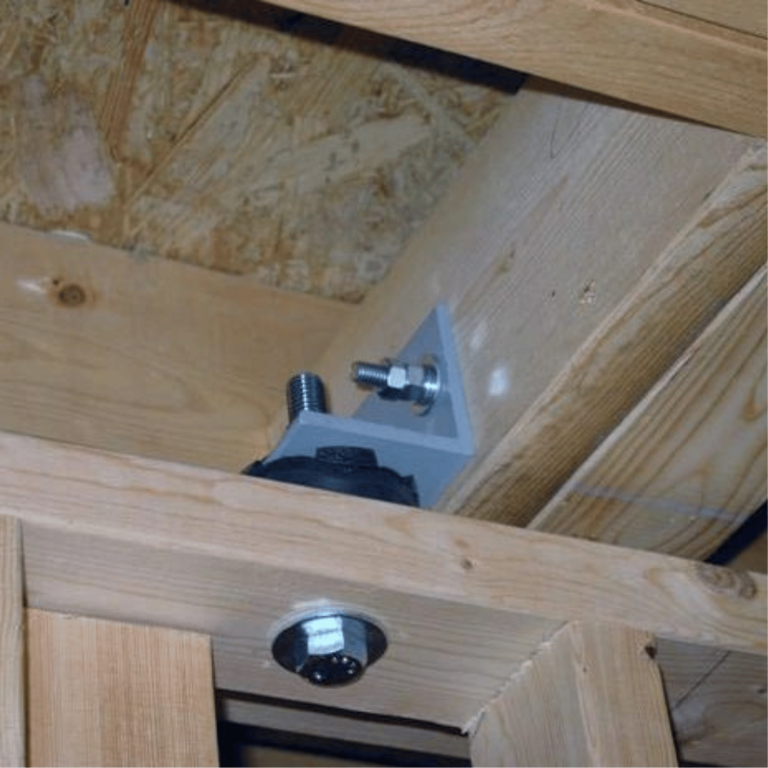
  • Low 3-1/2-inch airspace using 7/8-inch drywall furring channel at 1/2-inch nominal spring deflection
  • Maximum natural frequency of 5.5 Hz under lightest typical load conditions
  • Requires only one (1) piece of 1-1/2-inch x 1/2-inch cold-rolled channel
  • Extended mounting bracket allows easy attachment to non-isolated deck
  • Centering notches for flawless alignment
  • Minimal vertical/lateral movement during a seismic event
  • STC 72, IIC 51 with two (2) layers gypsum board suspended under a 6-inch concrete slab (75 psf) with 1-1/2-inch fiberglass batt in airspace – 1/2-inch deflection springs

Installation Guidelines

Available Downloads Options

Datasheet
PDF
Installation Guide
Technical Manual
CAD
Drawings
Test
Reports
wpChatIcon
wpChatIcon

Send Us a Message