Absorptive Ceiling Light with Integrated LED Function
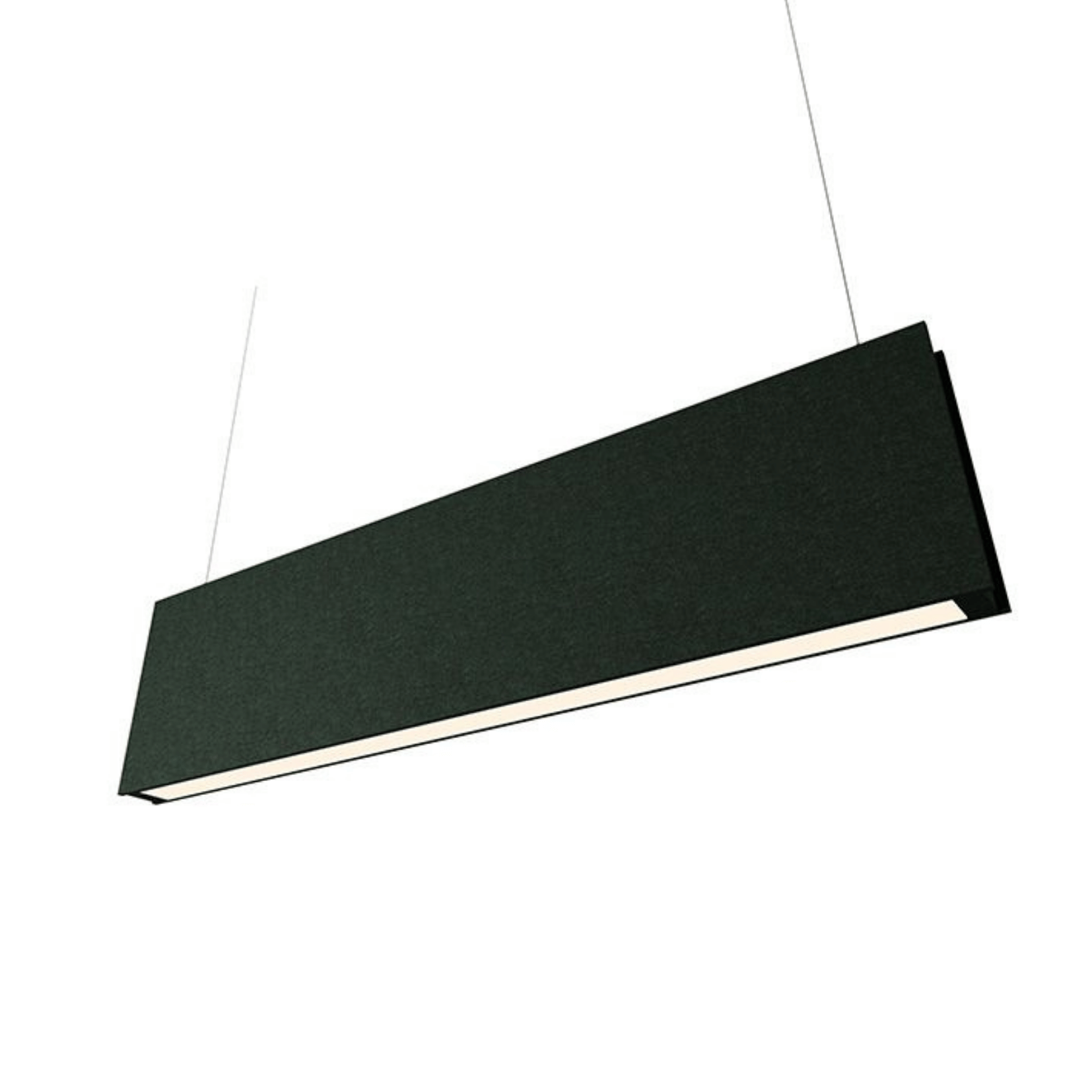
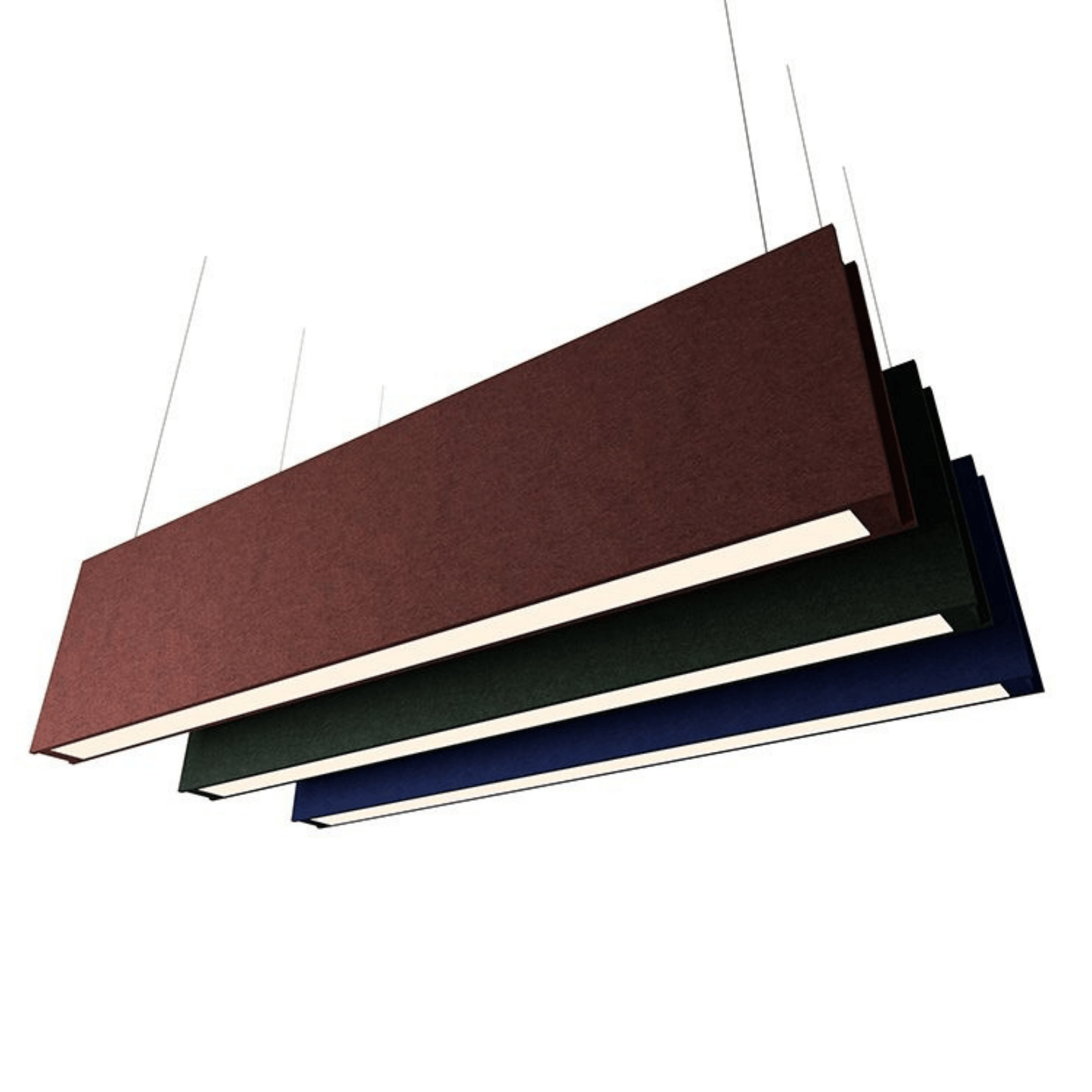
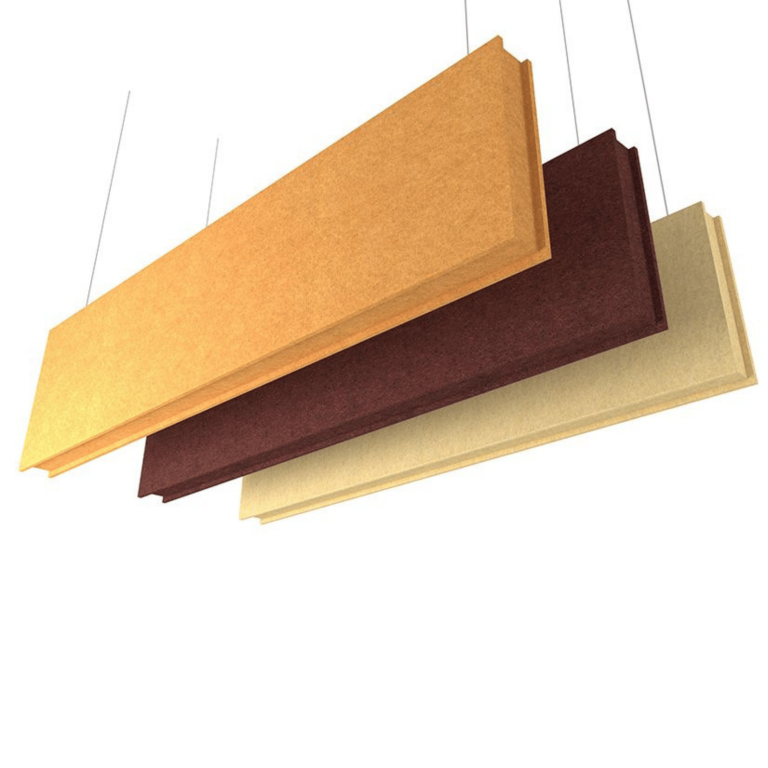
kleen® kBar Lite® is an absorptive ceiling light from the Kinetics kleen recycled PET acoustic product range. It is designed to merge form and function by combining acoustical performance with environmentally friendly LED lighting in an elegant linear baffle design. This makes it suitable for spaces where both room acoustic control and lighting integration are required.
Acoustic Performance with Design Integration
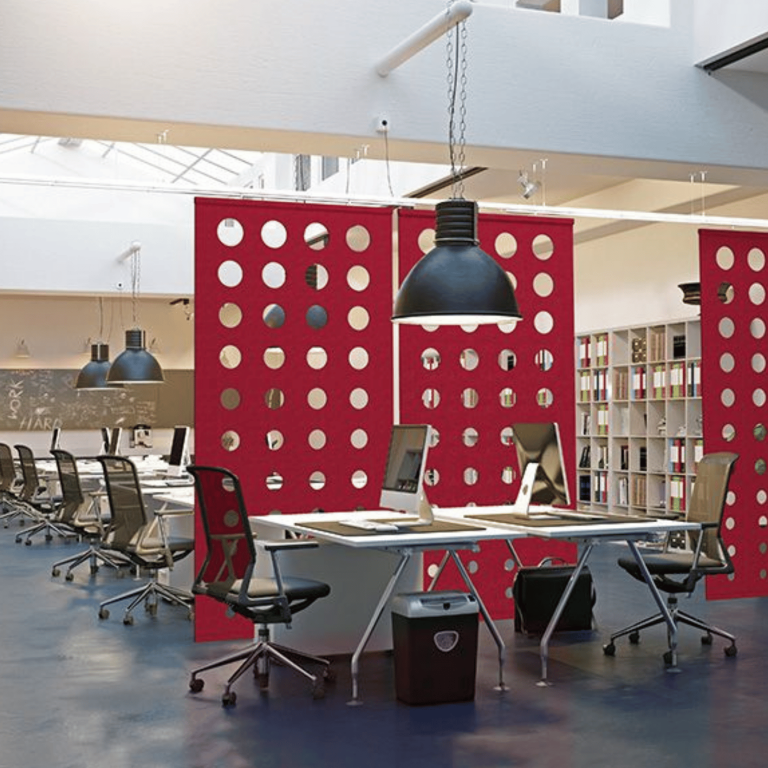
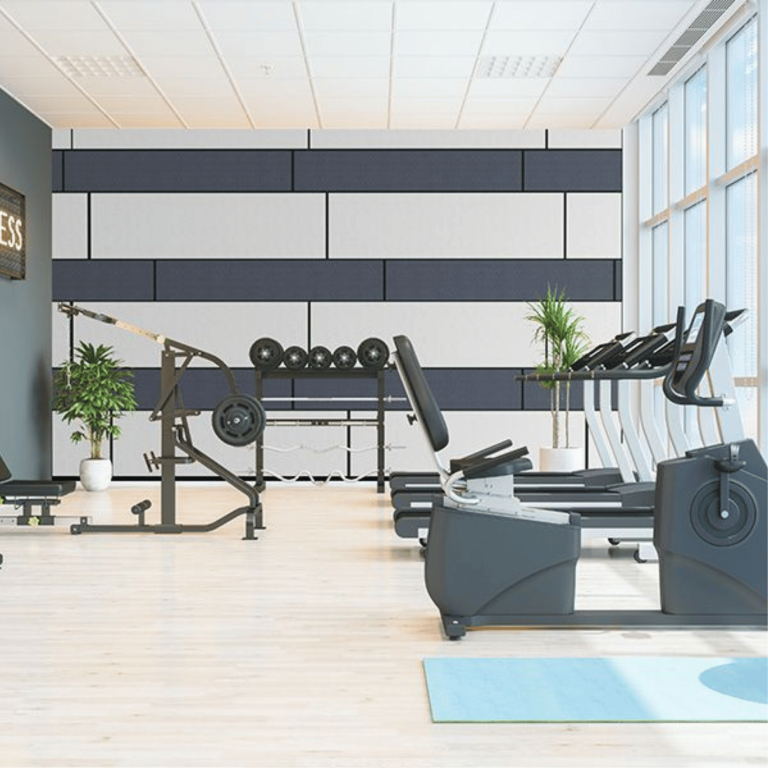
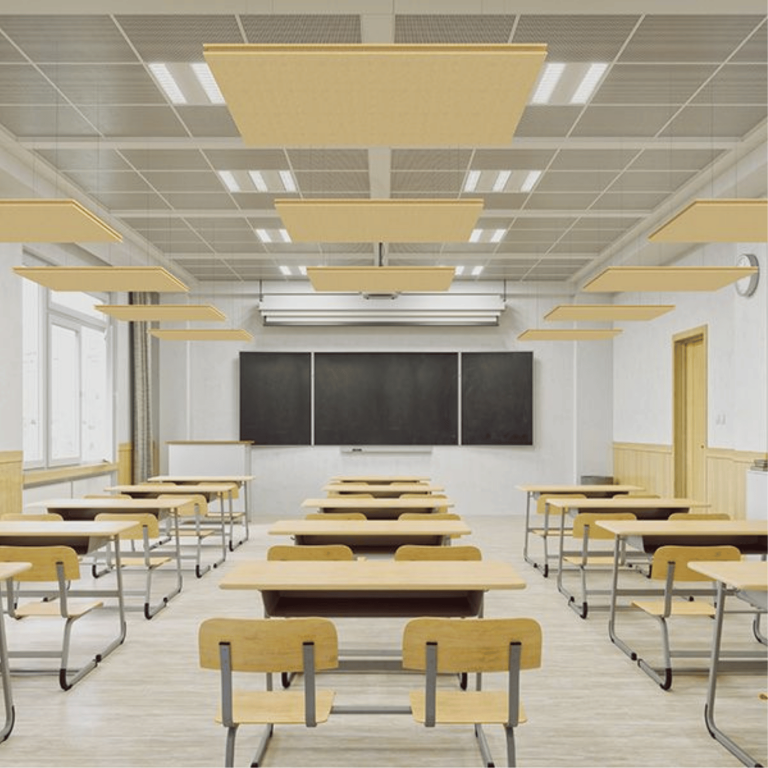
The kBar Lite baffle supports high and mid-frequency sound absorption and provides good reverberation control for voices. It is especially useful in occupied interiors where reduced echo, better speech clarity, and visual design quality are important, such as offices, schools, hospitality spaces, public interiors, and commercial fit-out projects.
Works Seamlessly with Non-Lit kBar Baffles
Style and color options remain plentiful, allowing kBar Lite to coordinate with the wider interior concept. Acoustic performance is optimized when kBar Lite is combined with the non-lit kBar baffle, helping project teams create a balanced ceiling layout with both illuminated and non-illuminated acoustic elements.
Standard Linear Sizes for Project Coordination
kleen® kBar Lite® is available in standard 26″, 48″, 72″, and 96″ sizes, supporting design flexibility and coordination for architects, acoustic consultants, lighting designers, MEP engineers, and interior contractors. These linear sizes make the product suitable for repeated ceiling layouts, feature lighting zones, and acoustic ceiling arrays.
Sustainable PET Acoustic Product Family
As part of the kleen recycled PET range, kBar Lite is supported by environmental and product documentation, including LEED Analysis, Declare Red List, REACH & RoHS Compliance, VOC Testing, cleaning instructions, color chart, warranty, kleen Polyester Acoustical Products information, and Room Acoustics Brochure resources.
Tested as a Hanging Baffle
Acoustical performance information notes that testing was conducted as an actual hanging baffle. Results are presented per square meter of material, and the manufacturer notes that NRC is not the most accurate method for measuring baffle performance; data is presented as the apparent absorption coefficient from one face.
Resources