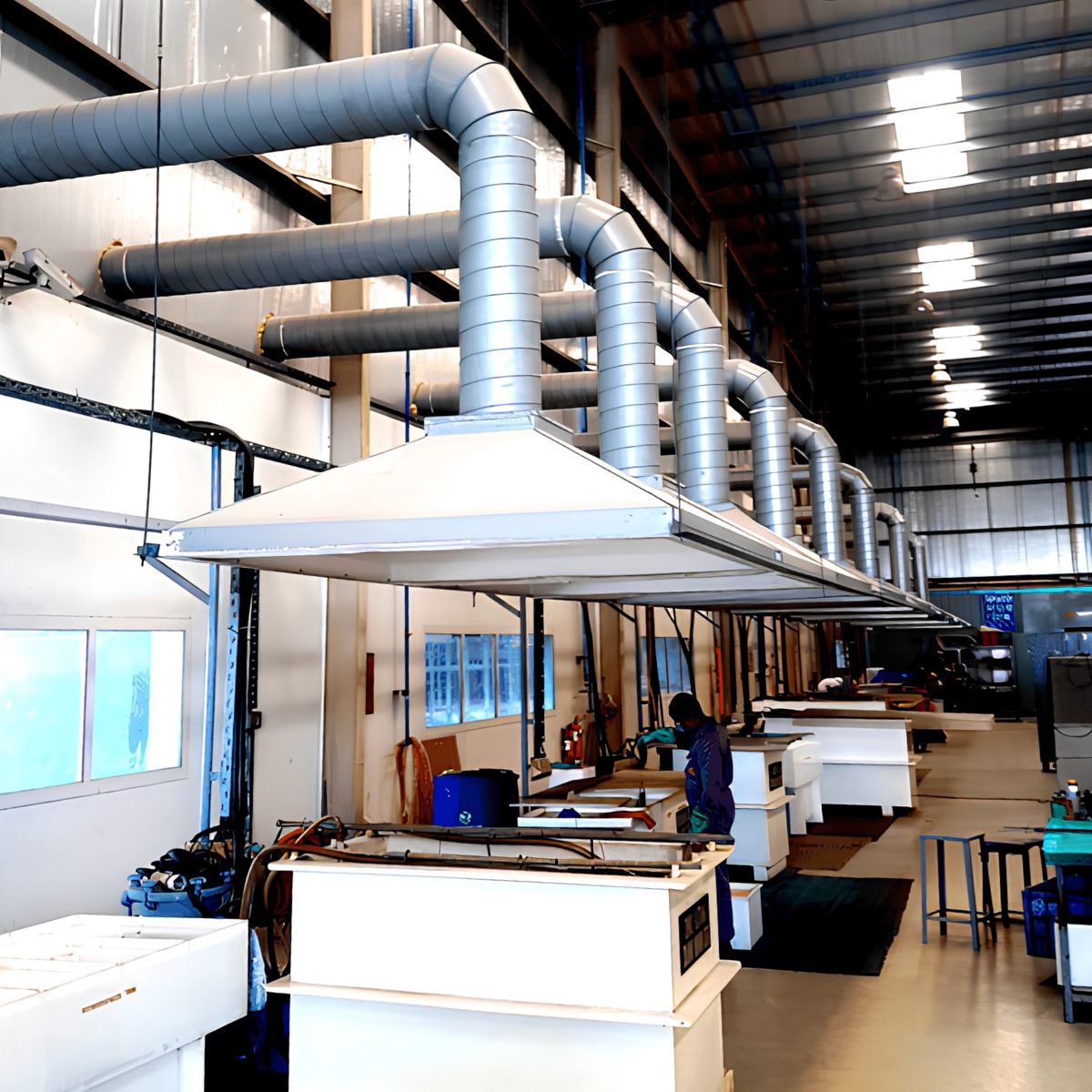
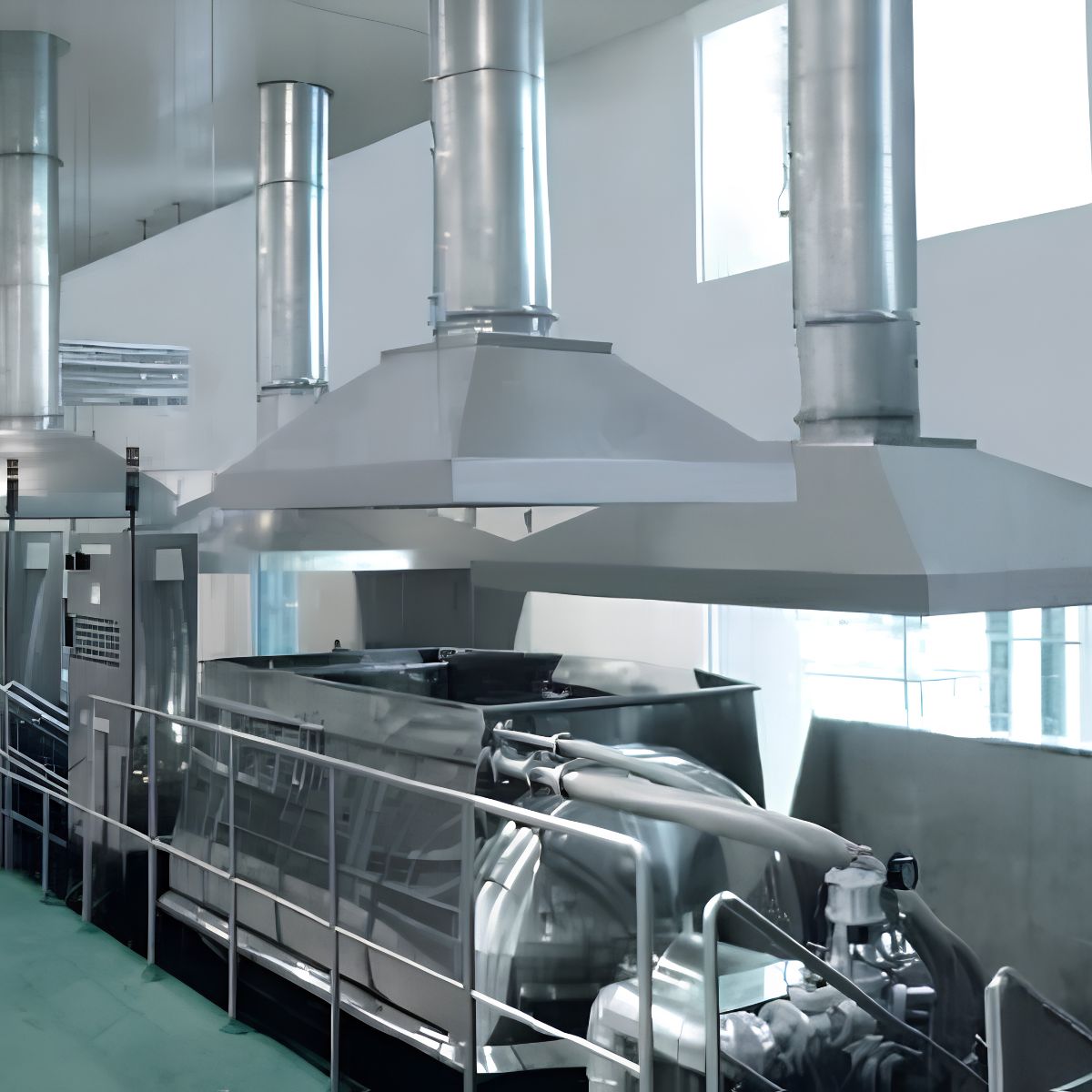
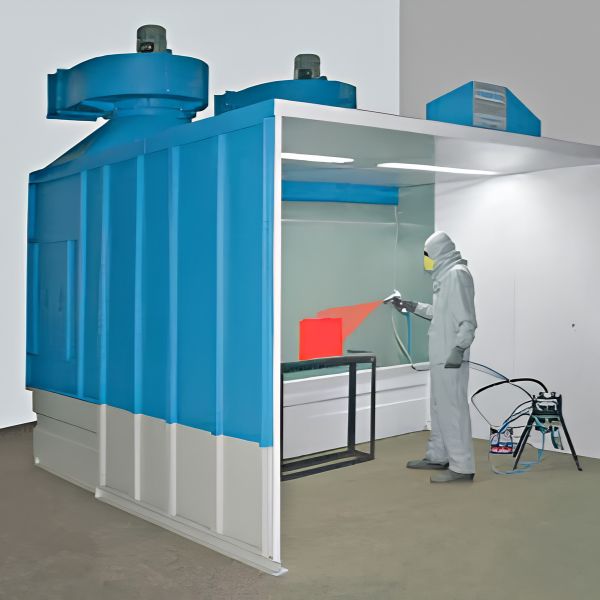
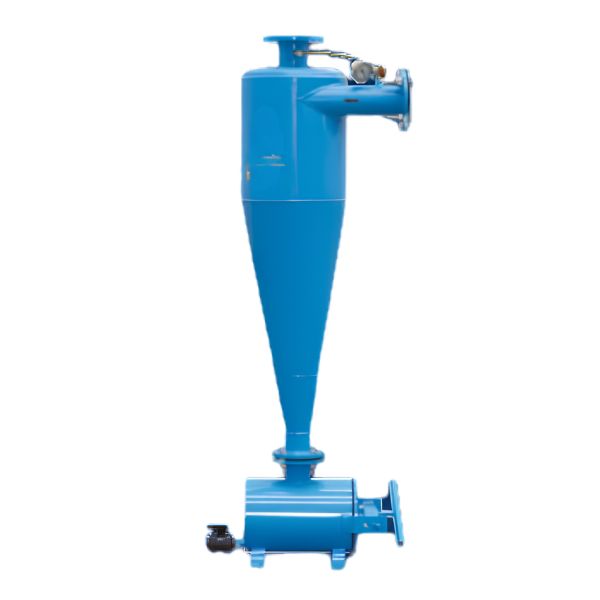
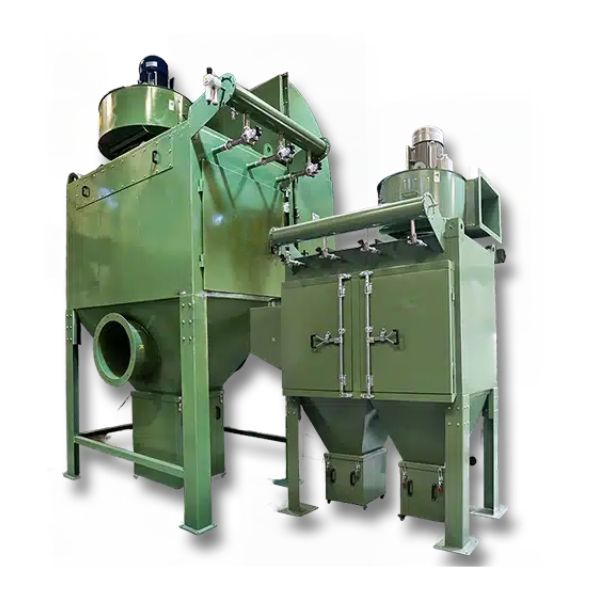
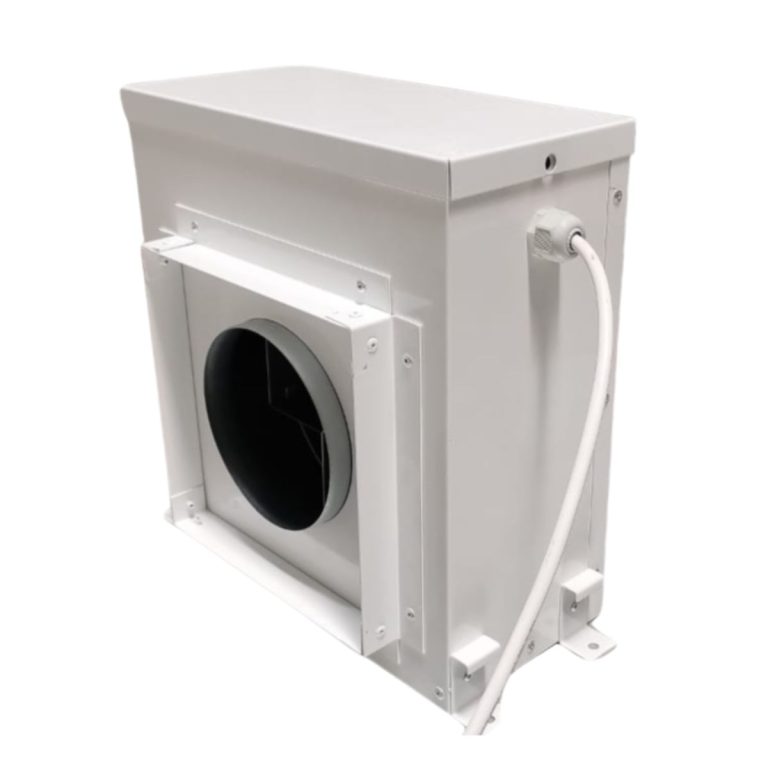
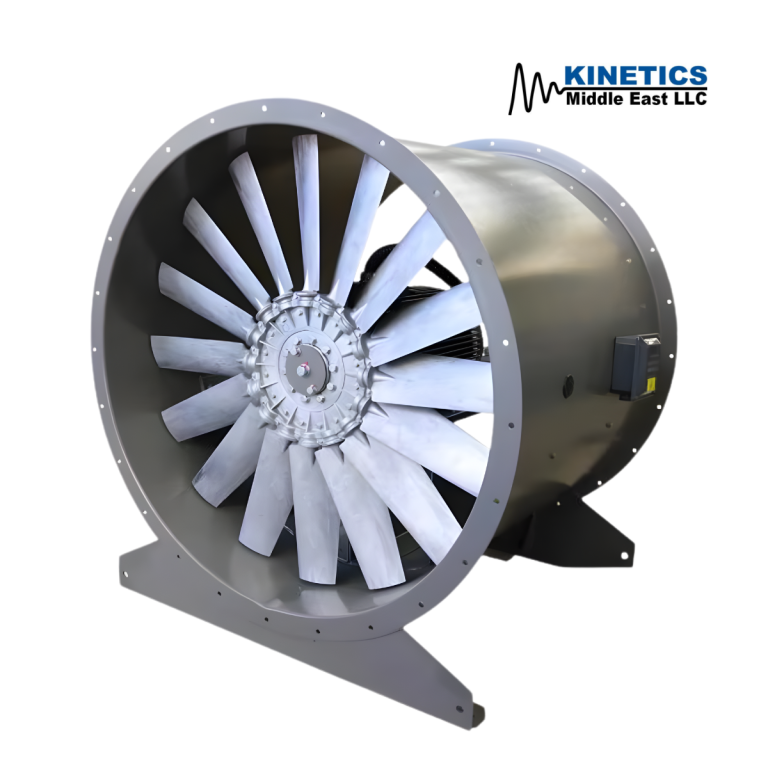
Kinetics Group provides engineered heat extraction systems in the UAE for factories, workshops, production areas and other industrial spaces affected by excessive process heat. Each system can be configured to capture hot air close to its source, transport it through suitable ductwork and discharge it using a correctly selected industrial exhaust fan or blower.
A complete heat extraction solution may include extraction hoods, ductwork, centrifugal or axial fans, fresh-air or make-up air equipment, filtration components, control systems, vibration isolation and acoustic treatment. The final system arrangement should be selected according to the heat source, required exhaust airflow, system resistance, air temperature, contaminants, facility layout and operating conditions.
How a Heat Extraction System Works
A heat extraction system removes hot air generated by manufacturing equipment, furnaces, welding operations, machinery or other industrial processes. A hood or extraction point captures the rising hot air before it spreads throughout the occupied space. The extracted air then travels through a duct network to an appropriately selected exhaust fan and discharge point.
Removing air from an enclosed facility also creates a requirement for replacement air. Where needed, the system can incorporate ambient or treated fresh air to balance the extracted airflow, support ventilation performance and improve conditions within the occupied workspace.
Main System Components
A project-specific industrial heat extraction system may include:
- Mild-steel or stainless-steel extraction hoods
- Local capture points or canopy hoods
- Rectangular or circular extraction ductwork
- Industrial centrifugal or axial exhaust fans
- Fresh-air and make-up air systems
- Filters or air-treatment components where required
- Motor starters, variable-frequency drives and control panels
- Flexible duct connectors and vibration isolators
- Sound attenuators and acoustic enclosures
- Weatherproof discharge terminals and louvers
The required components depend on the process, extracted-air characteristics, airflow, temperature, pressure, noise criteria and installation environment.
Industrial Applications
Heat extraction systems can be considered for:
- Manufacturing and production facilities
- Welding bays and fabrication workshops
- Foundry and furnace areas
- Industrial kitchens and food-production facilities
- Machinery and equipment rooms
- Generator and compressor areas
- Warehouses with significant internal heat gains
- Metal-processing and galvanizing facilities
- Automotive workshops
- Process areas containing concentrated heat sources
Applications involving corrosive vapours, combustible dust, hazardous gases or explosive atmospheres require specialist materials, filtration and certified equipment. These duties must be assessed separately before equipment selection.
System Design and Selection
An effective heat extraction system should be designed using verified project information rather than floor area alone. Important selection factors include:
- Process heat load
- Heat-source dimensions and location
- Required capture velocity
- Exhaust airflow
- Total external static pressure
- Extracted-air temperature
- Type and concentration of contaminants
- Duct route and discharge location
- Replacement-air requirements
- Electrical supply and controls
- Indoor and outdoor design conditions
- Acceptable noise and vibration levels
- Required construction material and corrosion protection
Kinetics Group can review the project requirements and provide a system proposal based on the required airflow, pressure, operating conditions and installation arrangement.
Noise and Vibration Control
Industrial extraction fans can generate airborne noise, structure-borne vibration and duct-borne sound. Where required, the heat extraction system can be coordinated with vibration isolators, flexible connectors, sound attenuators, acoustic louvers or fan enclosures to help meet project acoustic criteria.
Noise-control components should be selected together with the fan and duct system so that acoustic performance does not create excessive airflow resistance or reduce extraction effectiveness.
UAE and MENA Project Support
Kinetics Group supports consultants, contractors, industrial operators and facility teams with heat extraction system design coordination, equipment selection, technical documentation and project enquiries across the UAE, GCC, Middle East and MENA region.
Submit the heat source, required airflow, air temperature, duct route, facility drawings and project location to request a technical assessment or quotation.
FAQ
1. What is an industrial heat extraction system?
An industrial heat extraction system captures and removes excessive hot air generated by machinery, furnaces, welding or manufacturing processes. It typically includes a hood or extraction point, ductwork and an exhaust fan.
2. What components are included in a heat extraction system?
A system may include extraction hoods, ductwork, industrial fans, replacement-air equipment, filters, controls, vibration isolators, flexible connectors, silencers and discharge terminals.
3. How is the required extraction airflow calculated?
The required airflow depends on the heat source, hood dimensions, capture distance, process temperature, required capture velocity, room conditions and duct-system resistance.
4. Why is replacement air important?
Extracted air must be replaced to avoid excessive negative pressure and reduced system performance. Replacement air may be ambient, filtered, cooled or otherwise treated according to the facility’s requirements.
5. Can a heat extraction system remove fumes or dust?
Some systems can incorporate suitable filtration or treatment equipment, but fumes, corrosive gases, combustible dust and hazardous contaminants require specialist assessment and appropriate materials and safety provisions.
6. Is an industrial heat extraction system a fire-smoke system?
Not necessarily. A normal industrial heat extraction system operates during everyday processes. An emergency smoke and heat extraction system is a life-safety installation requiring appropriate fire-rated components, controls and approvals.
7. Can noise and vibration control be added?
Yes. Depending on the project criteria, the system may incorporate sound attenuators, acoustic louvers, flexible connectors, vibration isolators or fan enclosures.
8. How can installation guidelines be obtained?
For approved installation guidelines, mounting requirements and project-specific technical support, contact the Kinetics Group technical team.