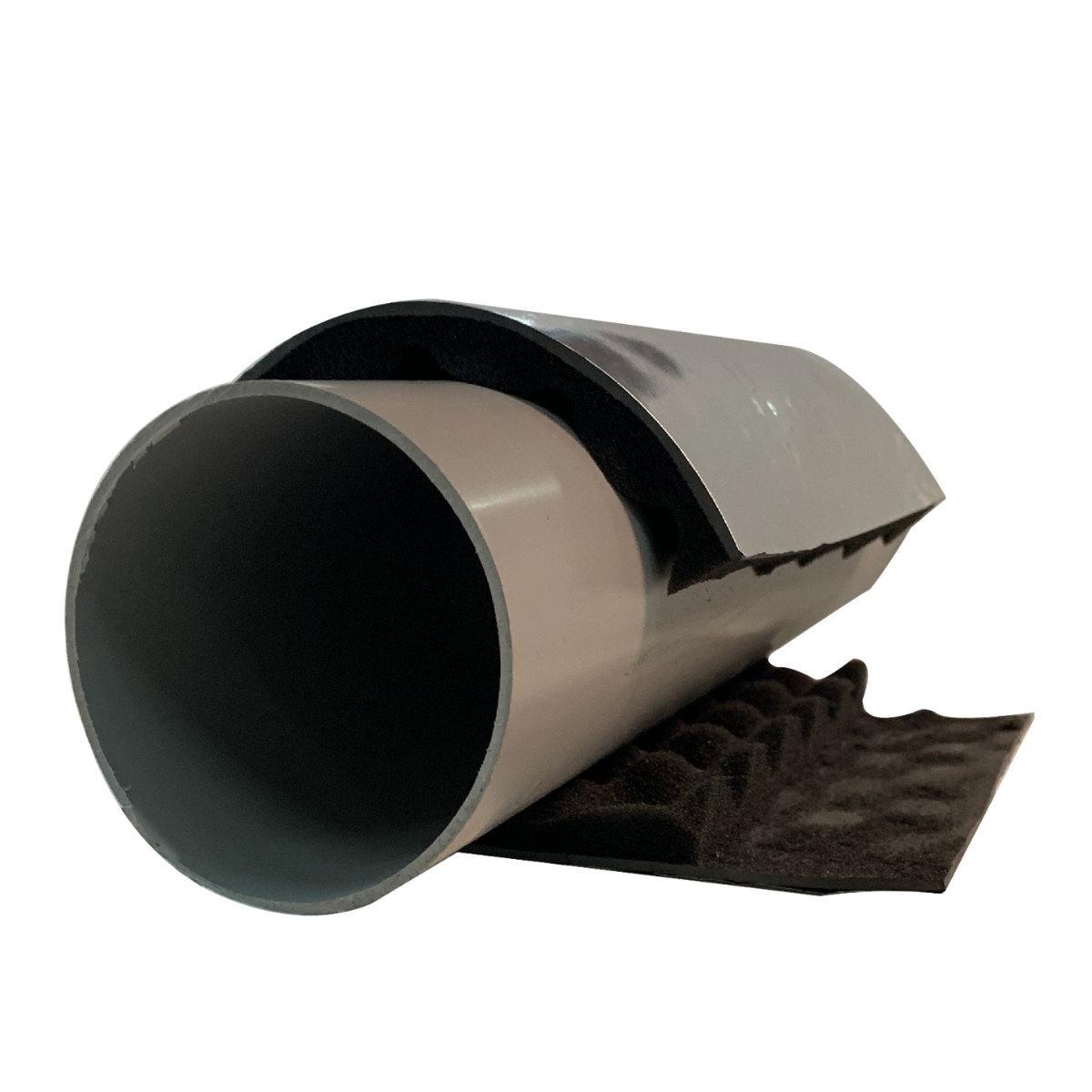
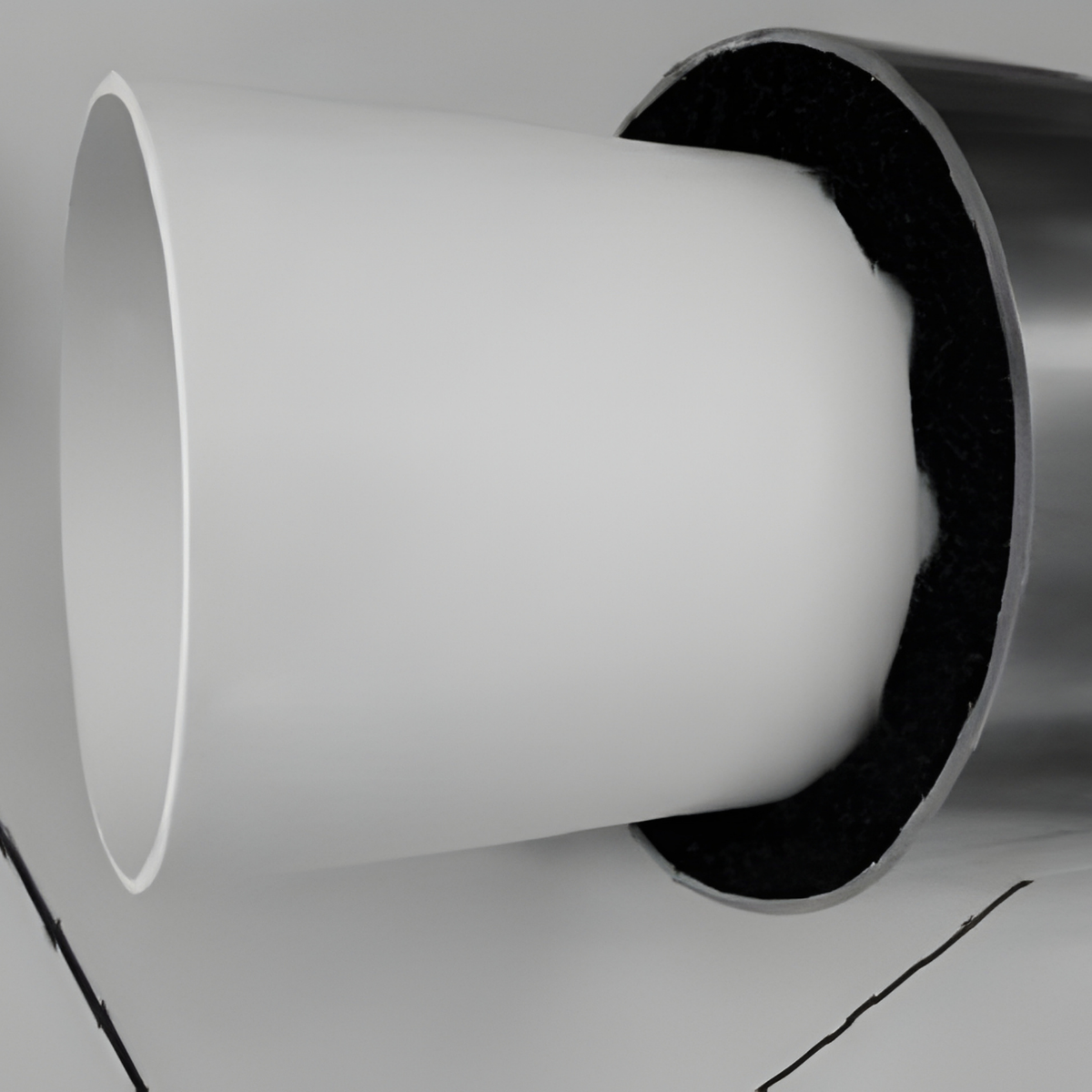
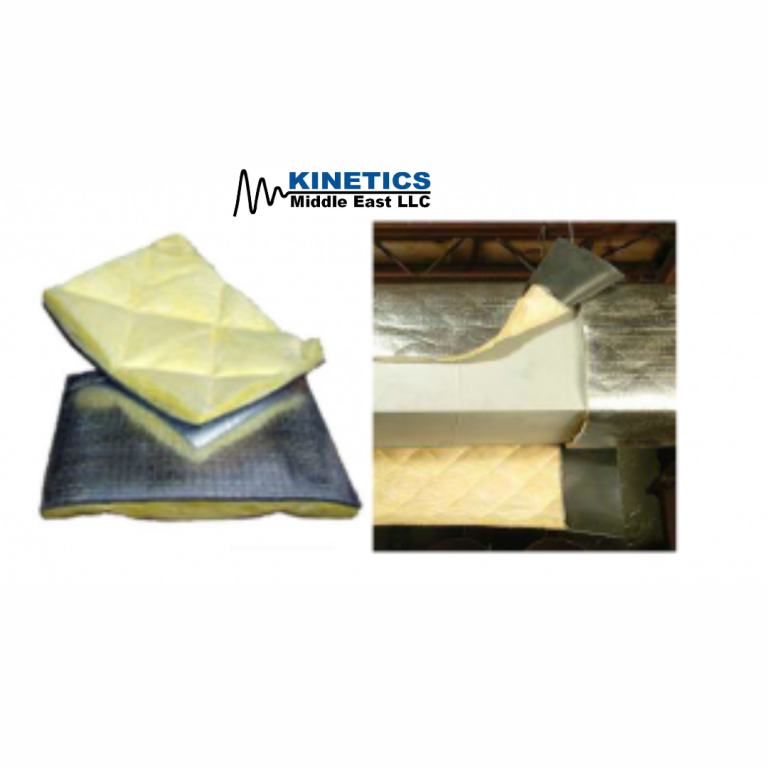
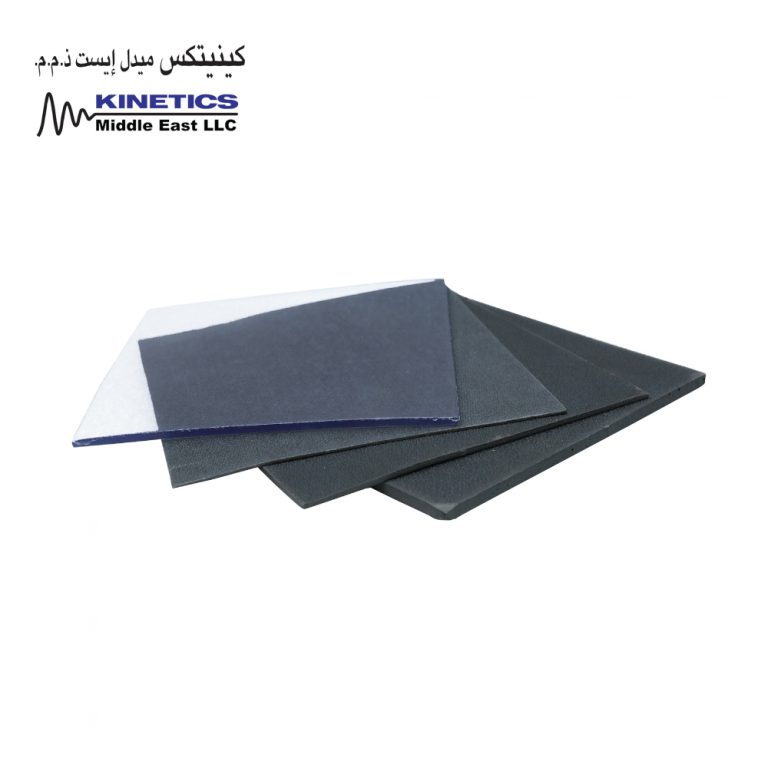
Acoustic Lagging is used as a noise barrier/acoustical wrapping system for pipes and ducts where mechanical services noise must be controlled within commercial, industrial, and infrastructure projects. The system is typically installed around pipework or ductwork with an insulation decoupler and a limp mass-loaded vinyl barrier/lagging material, helping reduce sound transmission from operating HVAC and MEP services. Kinetics installation guidance identifies the barrier/lagging material as typically 1/2 to 2 pounds per square foot limp mass-loaded vinyl, with specific technical information to be confirmed from the applicable product data sheet.
For effective installation, Acoustic Lagging is applied over clean pipe or duct surfaces. Where required, a vapor absorber, anti-sweat compound, or polyethylene sheeting may be used before the insulation layer. The insulation decoupler is normally field-cut and fitted to maintain uniform thickness, with seams butted together rather than overlapped. The acoustic barrier is then wrapped around the insulated pipe or duct, with seams overlapped or treated using barrier strips and compatible adhesive or tape methods as specified.
This solution is suitable for HVAC noise control, duct breakout noise reduction, pipe noise treatment, mechanical room acoustic upgrades, chiller plant services, and other MEP installations where acoustic comfort and system coordination are important. For light-gauge sheet metal ducts, additional duct stiffening or Kinetics vibration damping materials may be considered where oil-canning or sheet metal ringing is present. Final material selection, fire-rated applications, high-temperature pipe or duct services, and installation details should be reviewed against project specifications, local building codes, and Kinetics technical guidance.