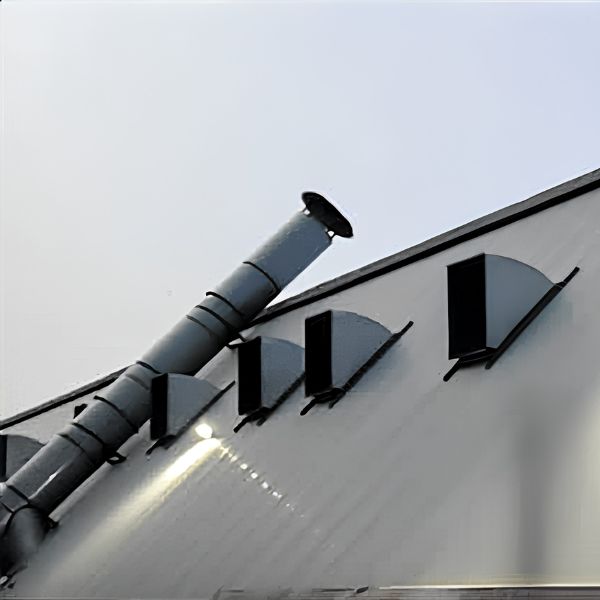
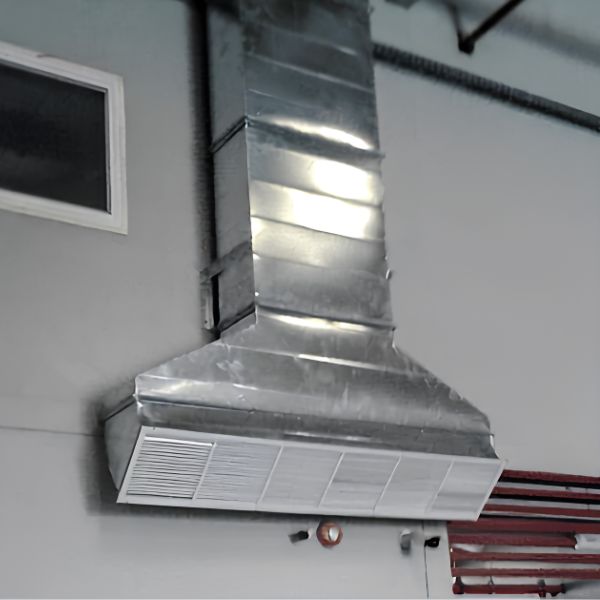
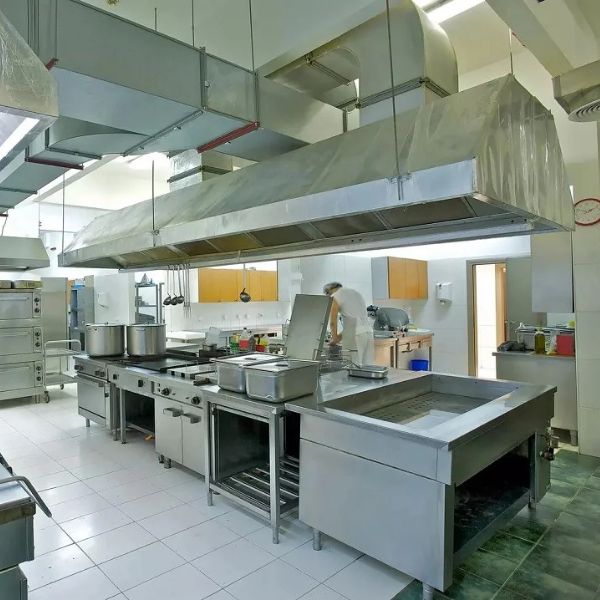
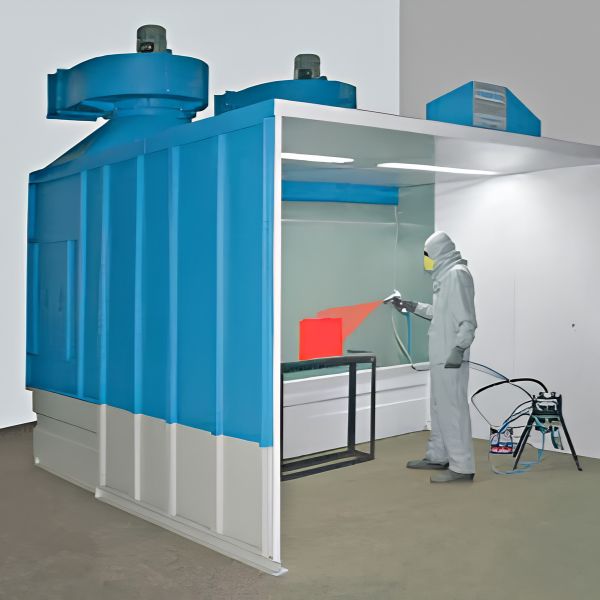
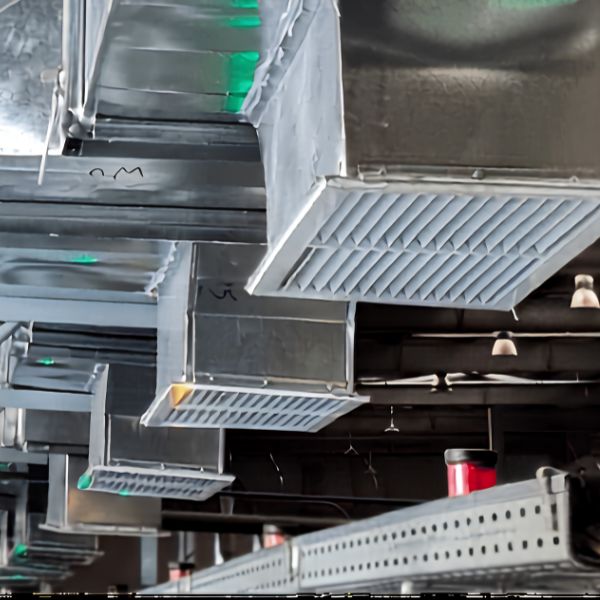
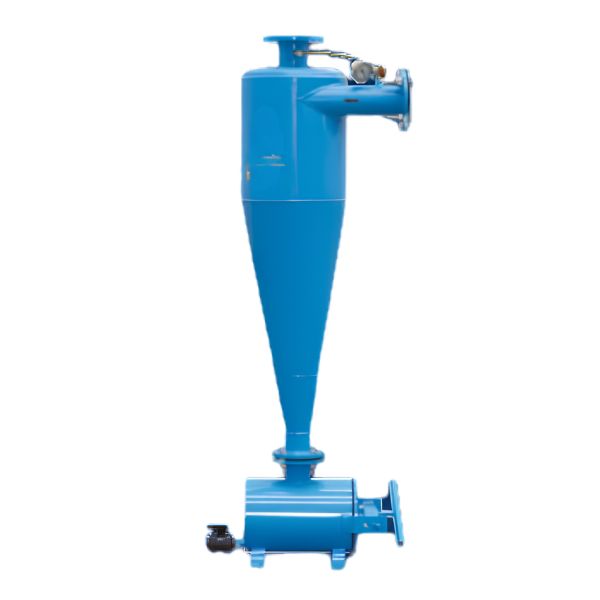
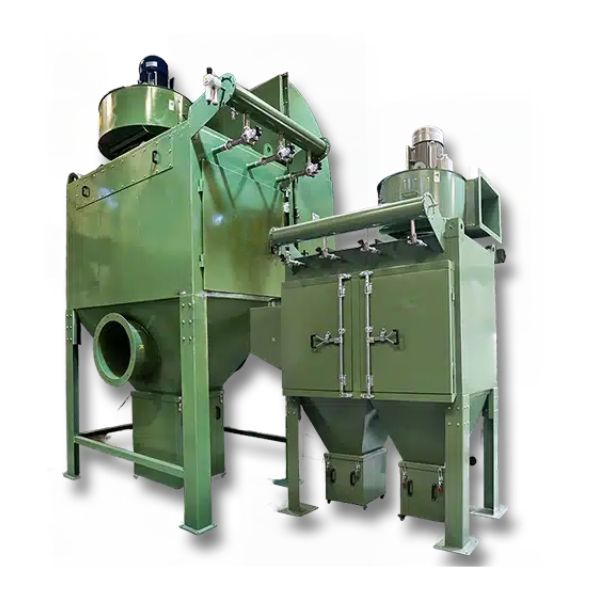
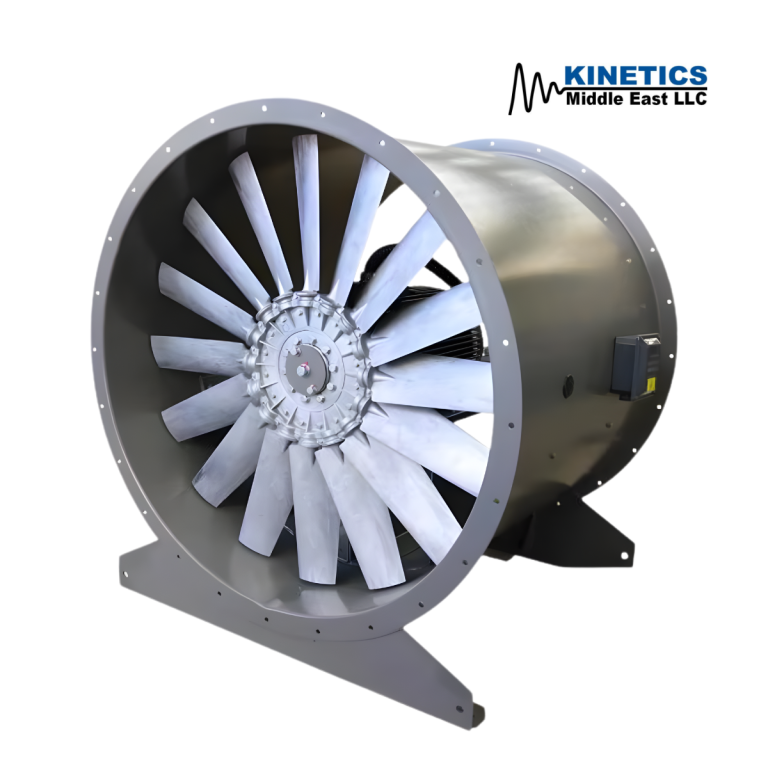
The Industrial Ventilation System / Roof Ventilator is designed to manage airflow, temperature, and air quality in industrial and commercial facilities. It helps remove hot, stale, contaminated, or exhausted air while supporting the introduction of fresh air into the workspace. This balanced approach improves comfort, supports productivity, and helps protect equipment from heat-related stress.
Industrial Ventilation for Better Working Conditions
In industrial environments, poor ventilation can create uncomfortable temperatures, trapped heat, poor air quality, and reduced employee efficiency. In addition, excessive heat can affect machinery performance and may increase maintenance requirements over time.
Kinetics Group provides industrial ventilation system solutions for manufacturing facilities, warehouses, workshops, factories, production areas, mechanical spaces, commercial buildings, and industrial MEP projects across the UAE, GCC, Middle East, and MENA region.
Push-and-Pull Airflow Control
Industrial ventilation systems work by balancing fresh air supply with exhaust air removal. This “push and pull” ventilation method introduces fresh or treated air into the occupied space while extracting hot, stale, or contaminated air from the working area.
As a result, the system helps maintain a healthier and more stable indoor environment. It also supports better airflow distribution across large industrial spaces where natural ventilation alone may not be sufficient.
Roof Ventilator Function
Roof ventilators are installed on rooftops to exhaust hot air, trapped air, and moisture from buildings. Their design helps prevent moisture from being trapped in roof insulation and roof decks. This makes them useful for industrial buildings, warehouses, factories, commercial facilities, and areas where heat buildup or trapped air must be controlled.
Roof top ventilators can be supplied in different sizes to suit project requirements. They are also suitable for areas exposed to corrosive elements, depending on the selected material, coating, and project specification. Custom-made roof ventilator solutions can support specific airflow, roof layout, and site coordination needs.
Evaporative Cooling Integration
Industrial ventilation systems can also integrate evaporative coolers where cooling support is required. Evaporative cooling adds moisture to incoming air, which helps reduce air temperature. This process can be especially useful in dry and arid climates, including many operating environments across the UAE and wider GCC.
When correctly applied, evaporative cooling can provide effective cooling support while consuming less energy than many traditional air-conditioning systems. Therefore, it can help reduce operating costs in suitable industrial applications.
Custom-Engineered Ventilation Solutions
The right industrial ventilation system depends on the type of facility, space size, local climate, heat load, equipment layout, pollutant type, airflow requirement, and operating conditions. For this reason, Kinetics Group can support custom-designed ventilation solutions for industrial and commercial applications.
System selection should also consider regulatory requirements, environmental responsibility, energy efficiency, installation requirements, maintenance access, and total cost of ownership. A well-planned ventilation system improves workplace comfort, protects equipment, and supports long-term building performance.
FAQ
What is an industrial roof ventilator?
An industrial roof ventilator is a roof-mounted device used to exhaust air from factories, warehouses, workshops and other large buildings. Depending on the design, it may use a powered fan or natural wind and thermal forces to move air.
What is the difference between a powered and natural roof ventilator?
A powered roof ventilator uses an electric motor and fan to deliver a defined airflow against system resistance. A natural roof ventilator relies on wind and temperature-related buoyancy, so its airflow varies with weather and building conditions.
How is an industrial roof ventilator sized?
Sizing depends on the building volume, required air changes, heat load, process conditions, contaminant type, roof height, available make-up air and system resistance. Powered units should be selected from verified fan-performance data at the required operating point.
Can roof ventilators reduce heat inside a warehouse?
Roof ventilators can remove accumulated hot air from high level and support air movement through the building. Actual temperature improvement depends on heat gain, outdoor conditions, ventilation rate, replacement-air paths and building construction.
Can a roof ventilator remove industrial fumes and dust?
A roof ventilator may assist with general dilution and high-level exhaust, but hazardous fumes and dust often require local exhaust ventilation close to the source. The contaminant and process should be reviewed before selecting the ventilation method.
Does a roof exhaust fan require make-up air?
Yes. Replacement air must enter the building so the exhaust fan can deliver its intended airflow without creating excessive negative pressure. Make-up air can be provided through louvers, doors, filtered openings or mechanical supply systems.
How can roof-fan noise and vibration be controlled?
Noise and vibration can be managed through correct fan selection, low-noise operating speed, vibration isolators, roof isolation curbs, flexible connectors, silencers, acoustic louvers and suitable structural coordination.
Does Kinetics Group support roof ventilator projects across MENA?
Kinetics Group supports consultants, contractors, developers and industrial operators with roof-ventilator selection and system coordination for projects across the UAE, GCC and wider MENA region.