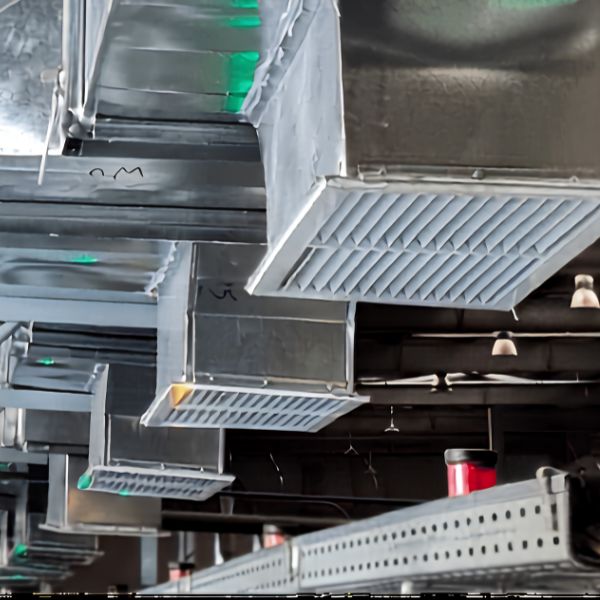
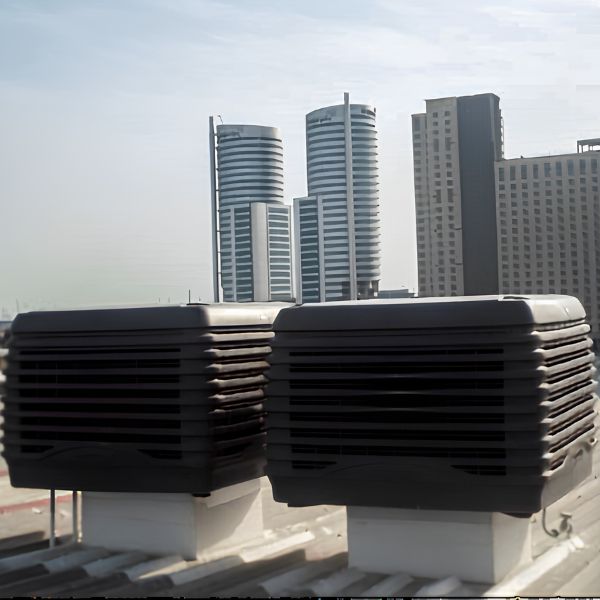
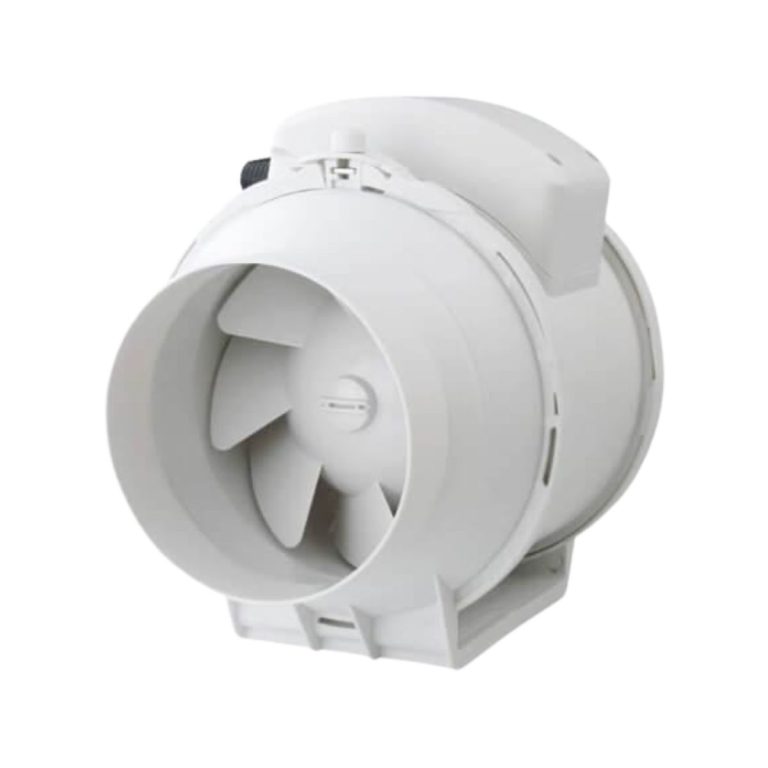
The Spot Cooling System is an engineered cooling and air distribution solution used to provide focused temperature control in selected industrial or commercial areas. Instead of cooling a complete facility, the system directs cooled and treated air only to the zones that need relief. This makes it practical for large factories, warehouses, production floors, workshops, and facilities where localized heat affects people, processes, or equipment.
Targeted Cooling for Industrial Work Areas
Industrial environments often include heat-emitting machinery, challenging climatic conditions, and work processes that create localized temperature rise. These conditions can reduce employee comfort and affect productivity. Therefore, spot cooling provides a focused way to improve working conditions in the most critical areas.
Kinetics Group provides spot cooling system solutions for industrial and commercial applications where precise air delivery, cooling efficiency, and workplace comfort are required. The system can support production zones, machine operator stations, assembly areas, fabrication shops, maintenance bays, loading zones, and other high-heat workspaces across UAE, GCC, Middle East, and MENA projects.
Ducted Evaporative Cooler Operation
Spot cooling systems commonly use ducted evaporative coolers as the central cooling component. These coolers draw outside air through an evaporative cooling medium. As the air passes through the medium, water evaporation reduces the air temperature and adds moisture.
The treated fresh air then moves through air distribution ducts and reaches the selected work zones. This direct delivery gives employees near heat-emitting machinery or warm process areas faster relief from heat. In suitable dry and arid climates, evaporative cooling can also reduce energy consumption compared with cooling an entire facility through conventional air-conditioning methods.
Air Distribution and Cooling Components
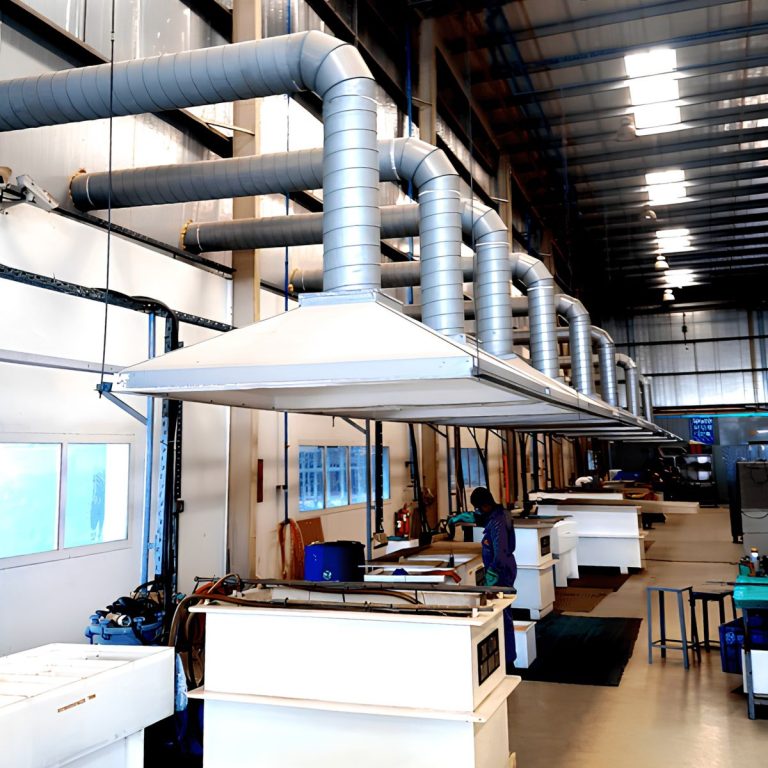
Air distribution ducts play an important role in spot cooling performance. Well-designed ductwork directs cooled air to the required locations and helps maintain even airflow within the targeted zone.
The cooling units may include fans, pumps, and evaporative media. These components work together to draw air, cool it through the evaporative process, and distribute it efficiently. Integrated control systems allow users to adjust cooling settings based on operating needs, work area conditions, and comfort requirements.
Energy-Efficient Localized Cooling
Spot cooling helps reduce unnecessary energy use by focusing cooling only where it is needed. Instead of treating a full industrial hall, the system delivers air to selected work areas. As a result, it can help lower operating costs in suitable applications while improving employee comfort and supporting better working efficiency.
In addition, spot cooling can improve air quality by introducing treated fresh air into the workspace. This is especially useful in industrial areas where heat, poor ventilation, or process conditions may affect the indoor working environment.
Employee Comfort and Equipment Support
A properly designed Spot Cooling System benefits both employees and equipment. Employees gain a more comfortable working environment, which can support focus, safety, and productivity. At the same time, machinery and equipment benefit from more stable local temperatures, which may help reduce heat-related stress and support long-term operating reliability.
For best results, the system should be designed according to the facility layout, heat load, airflow requirement, local climate, equipment location, and project operating conditions.
FAQ
What is an industrial spot cooling system?
An industrial spot cooling system delivers cooled or high-velocity treated air directly to a selected worker, workstation, machine area or production zone. It is used where conditioning an entire factory or warehouse would be impractical or unnecessary.
How does industrial spot cooling work?
A cooling unit treats air and a fan delivers it through ducts, hoses, diffusers or adjustable nozzles to the required zone. The cooling stage may use evaporative cooling, refrigerant cooling, chilled water or another project-specific method.
What is the difference between spot cooling and whole-building air conditioning?
Whole-building air conditioning aims to control temperature throughout an enclosed space. Spot cooling concentrates cooling on selected occupied or equipment zones, which can reduce the area that must be conditioned but will not necessarily control temperature and humidity throughout the building.
Is evaporative spot cooling suitable for the UAE?
Suitability depends on the project’s outdoor dry-bulb and wet-bulb conditions, humidity, required supply-air temperature and process requirements. Direct evaporative cooling performs best under relatively dry conditions and adds moisture to the supply air, so each UAE application requires psychrometric evaluation.
Can spot cooling help manage worker heat exposure?
Spot cooling can reduce localized thermal discomfort and may form part of an occupational heat-control strategy. It should be combined with a site-specific assessment of temperature, humidity, radiant heat, workload, clothing, hydration, acclimatization and work-rest practices.
Can a spot cooling system be used near welding or chemical processes?
It can be used only when the supply-air pattern is coordinated with the local exhaust system. Incorrectly positioned cooling air may push fumes or dust through the worker’s breathing zone or interfere with contaminant capture.
What information is needed to select an industrial spot cooling system?
Selection normally requires the building layout, number and position of workstations, ambient conditions, process heat sources, required cooling objective, available power and water, ventilation arrangement, operating hours and sound criteria.
Does Kinetics Group support spot cooling projects across MENA?
Kinetics Group supports consultants, contractors and industrial operators with application-specific spot cooling and air-distribution solutions for projects across the UAE, GCC and wider MENA region.