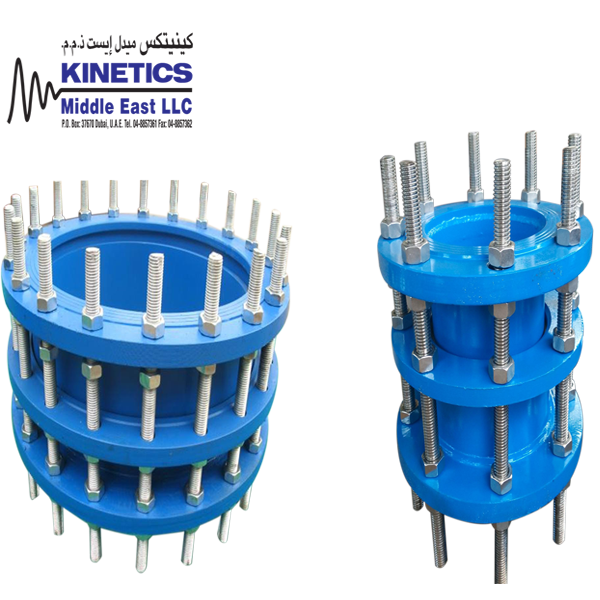
Dismantling Joints are pipework components designed to provide axial adjustment within piping systems, allowing equipment such as valves, pumps, flow meters, strainers, and pipeline accessories to be installed or removed more easily during construction, maintenance, or replacement.
In HVAC, plumbing, firefighting, infrastructure, water supply, and district cooling systems, large pipeline components often require accurate alignment and sufficient clearance for installation. Dismantling Joints help create the required installation tolerance between flanged pipe sections, reducing the need for pipe cutting or major modification during equipment replacement.
Pipework Flexibility for MEP and Infrastructure Projects
Dismantling Joints are commonly used in mechanical rooms, pump stations, valve chambers, chiller plants, water networks, and utility infrastructure where pipeline equipment may need future servicing. Their adjustable design helps contractors accommodate site tolerances and supports easier access for maintenance teams.
By allowing controlled longitudinal movement during installation and removal, Dismantling Joints improve coordination between pipework, valves, pumps, and other mechanical components. This makes them a valuable solution for consultants, MEP contractors, infrastructure contractors, and facility operators working on commercial, industrial, municipal, and district cooling projects.
Installation and Maintenance Value
Dismantling Joints support efficient installation and long-term maintainability of flanged piping systems. They are particularly useful where heavy equipment or fixed pipe sections make removal difficult. When installed correctly, they help reduce downtime during valve replacement, pump maintenance, meter servicing, and system upgrades.
For project-specific selection, pressure rating, flange standard, material specification, coating, size range, and installation requirements, the relevant product datasheet and technical documentation should be referred to during the engineering and approval stage.