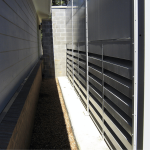
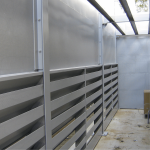
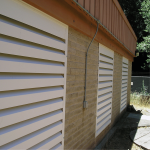
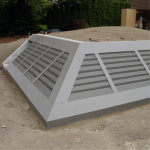
Acoustic Louvers for Airflow and Noise Control
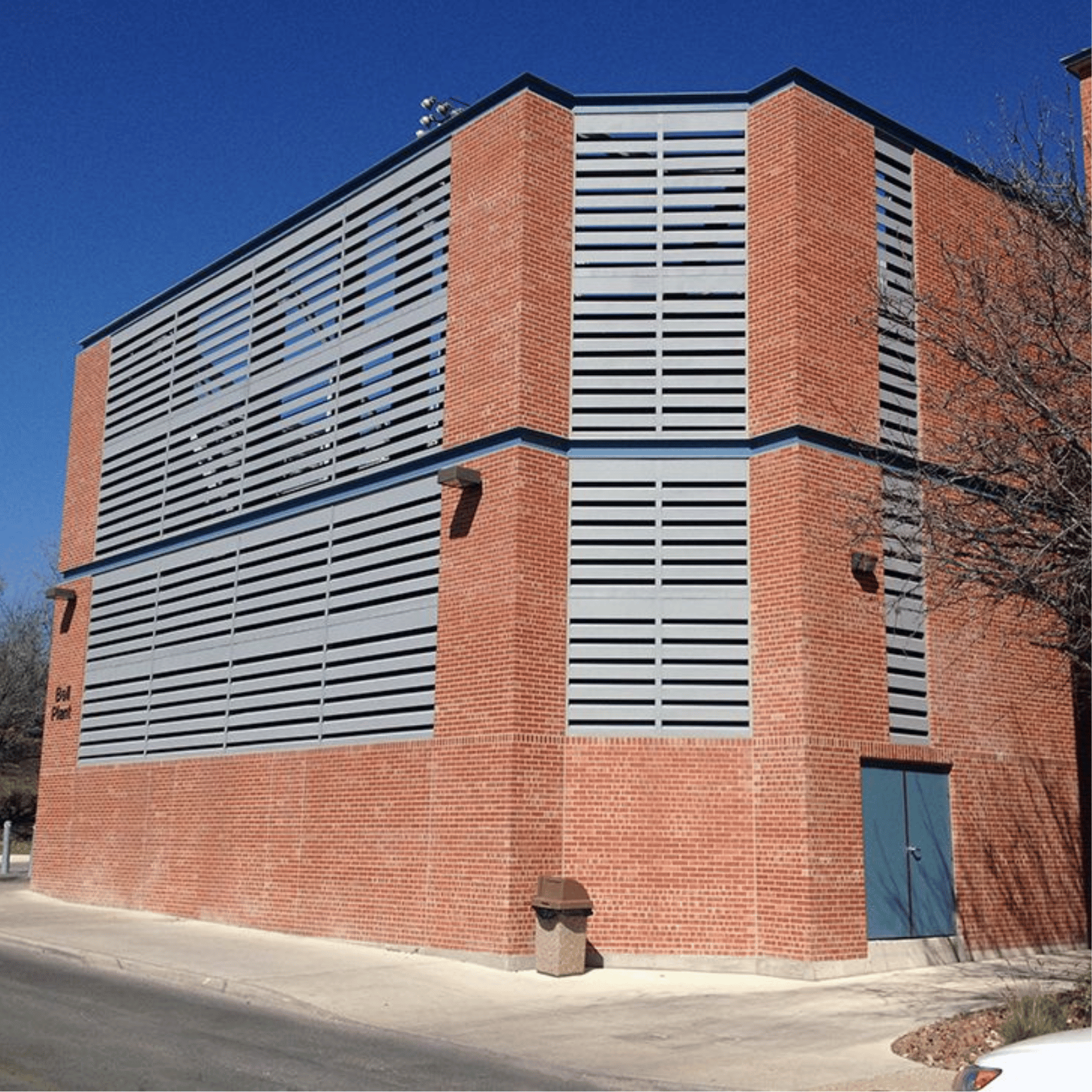
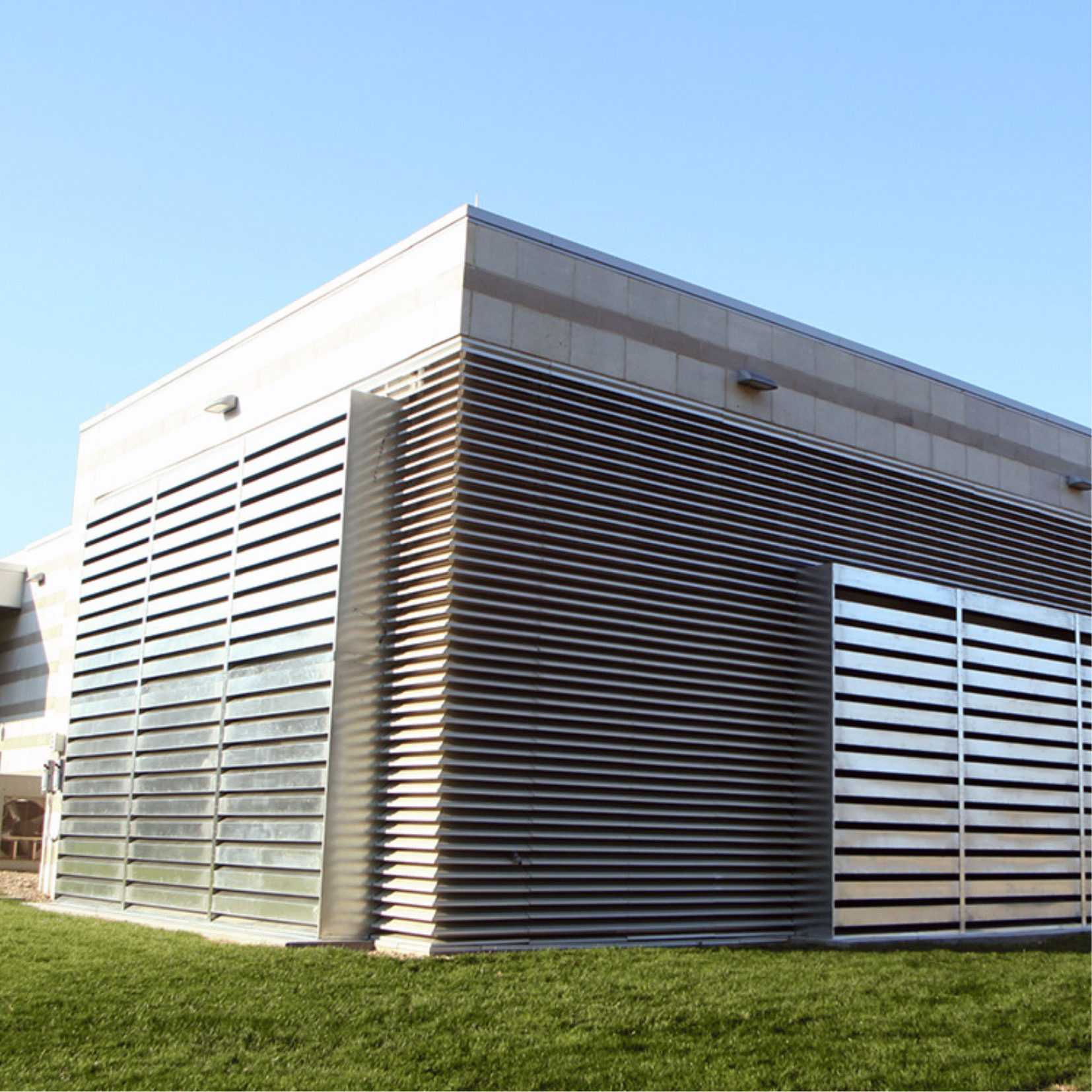
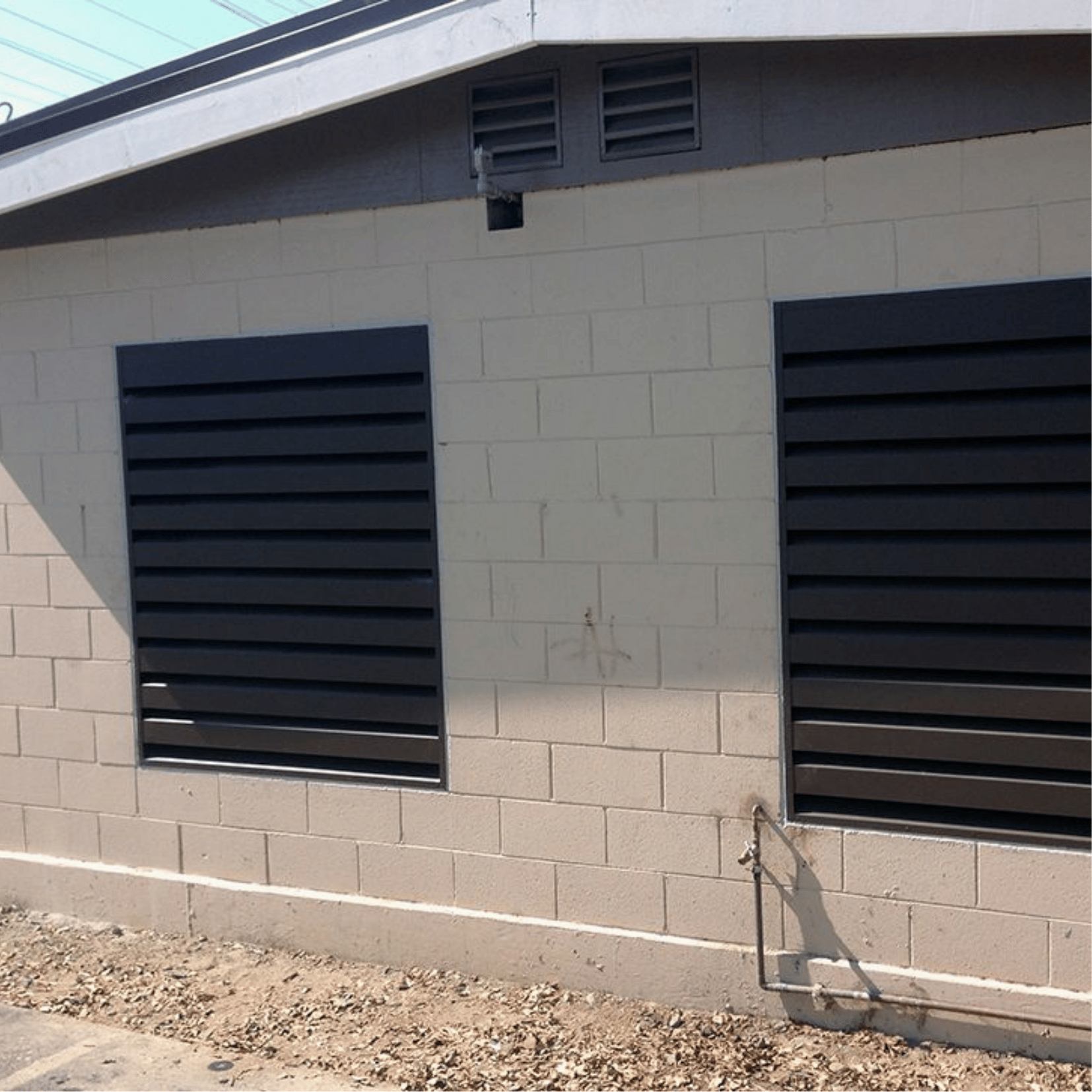
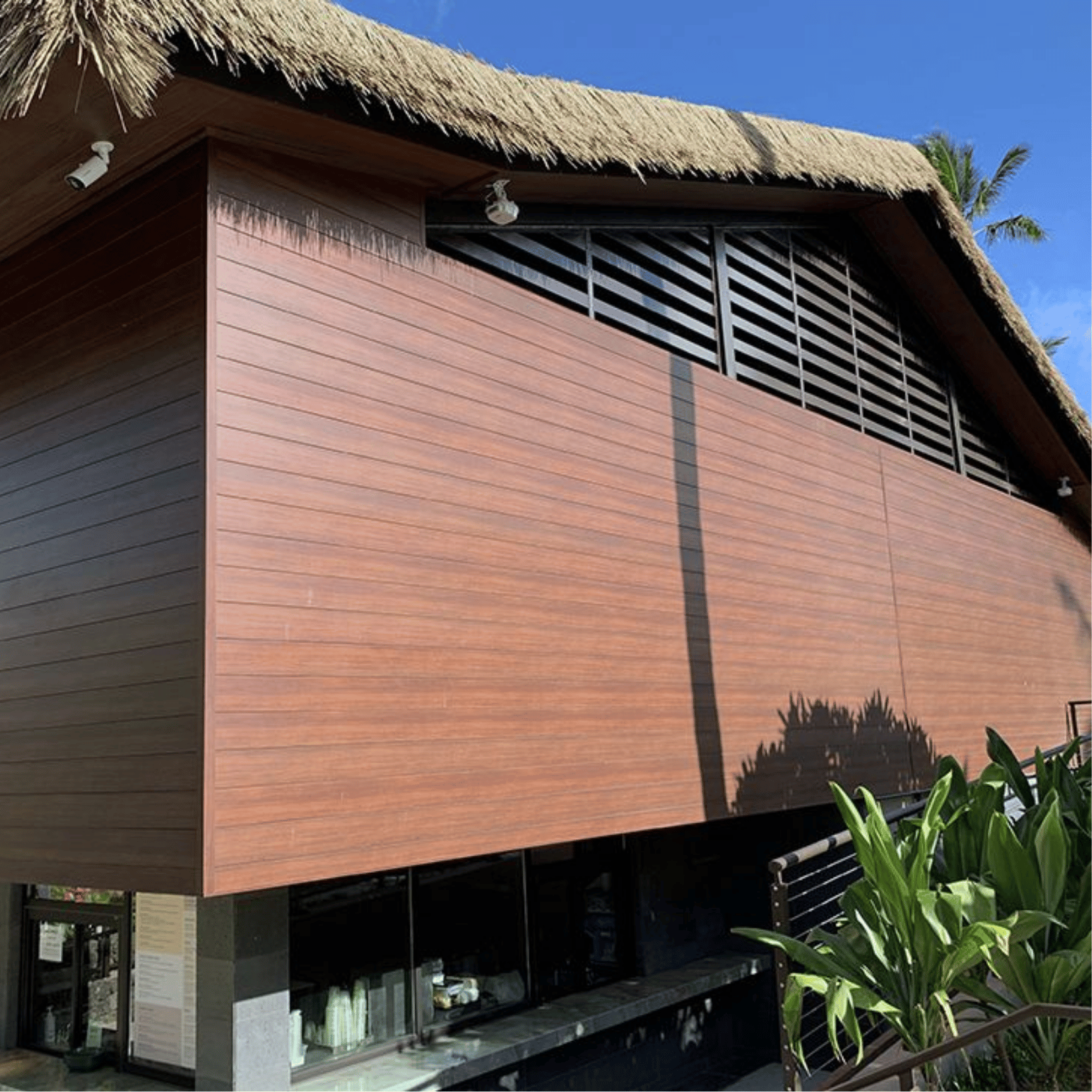
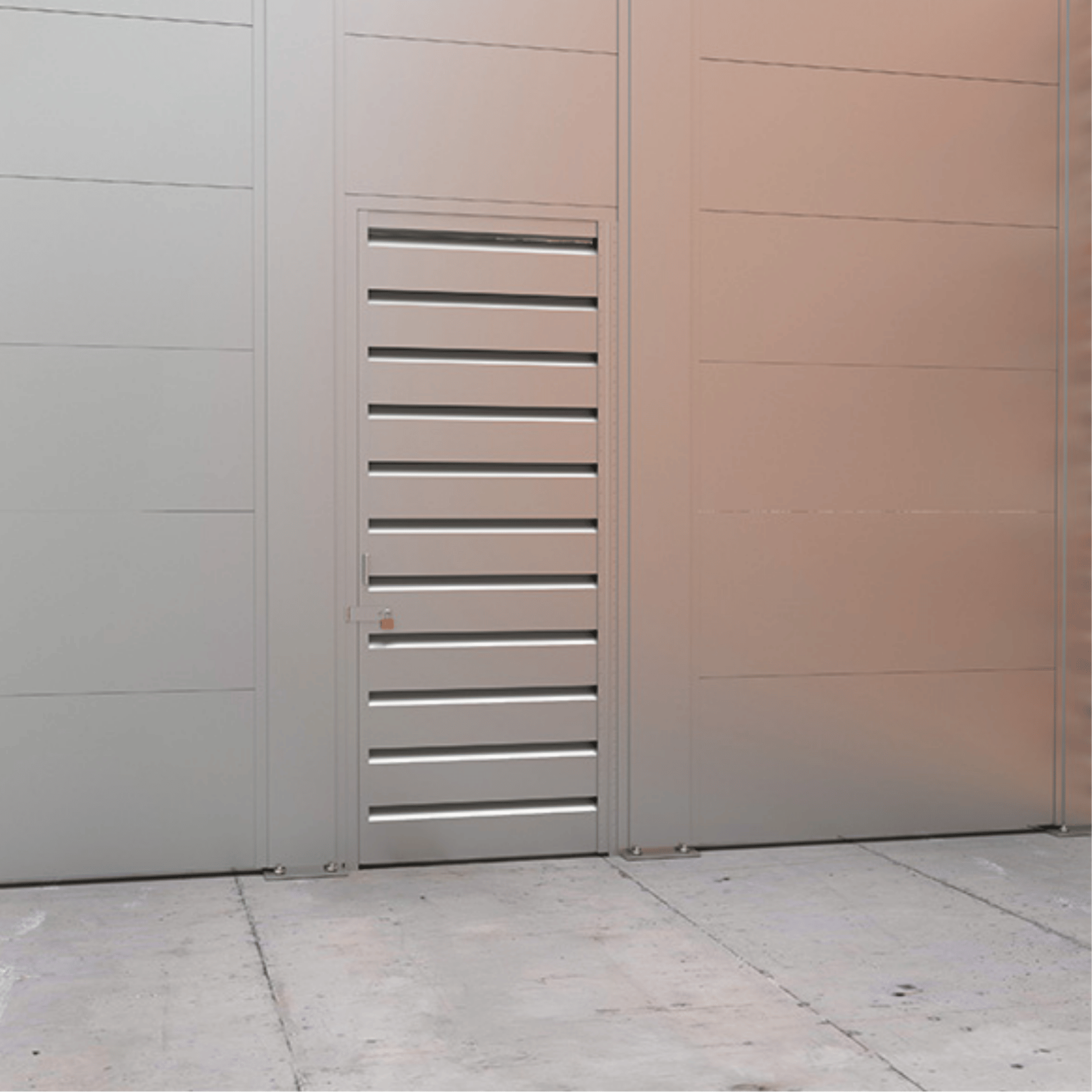
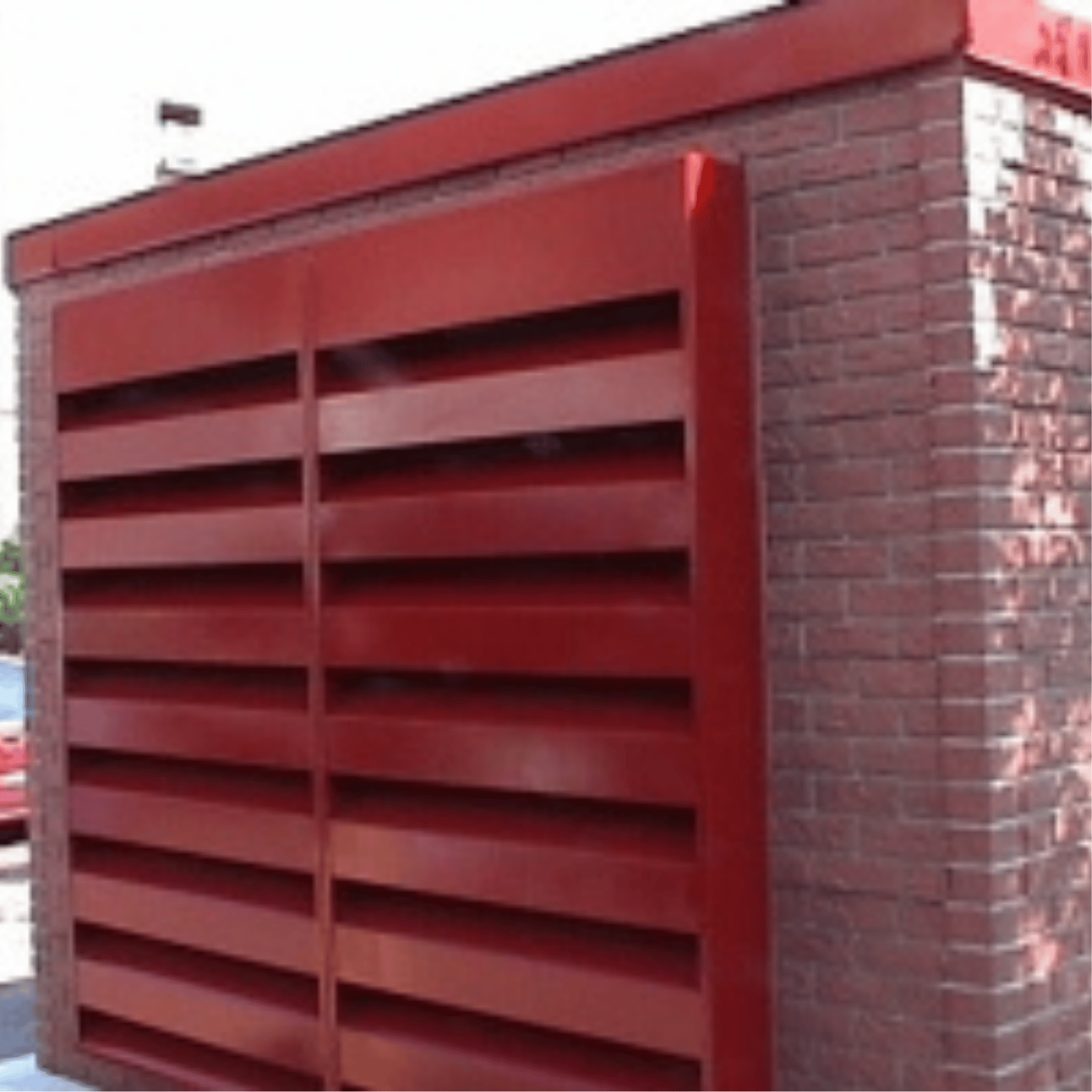
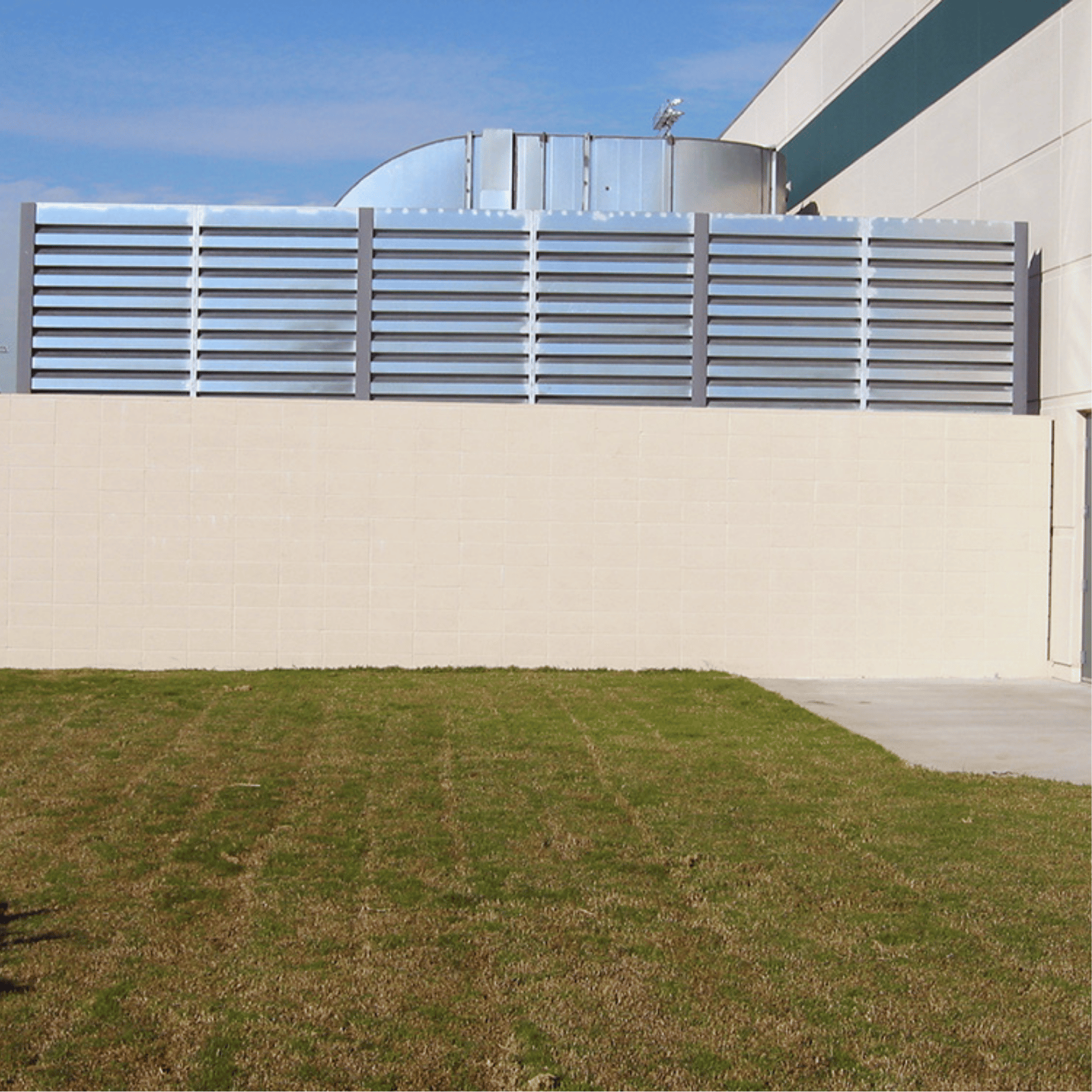
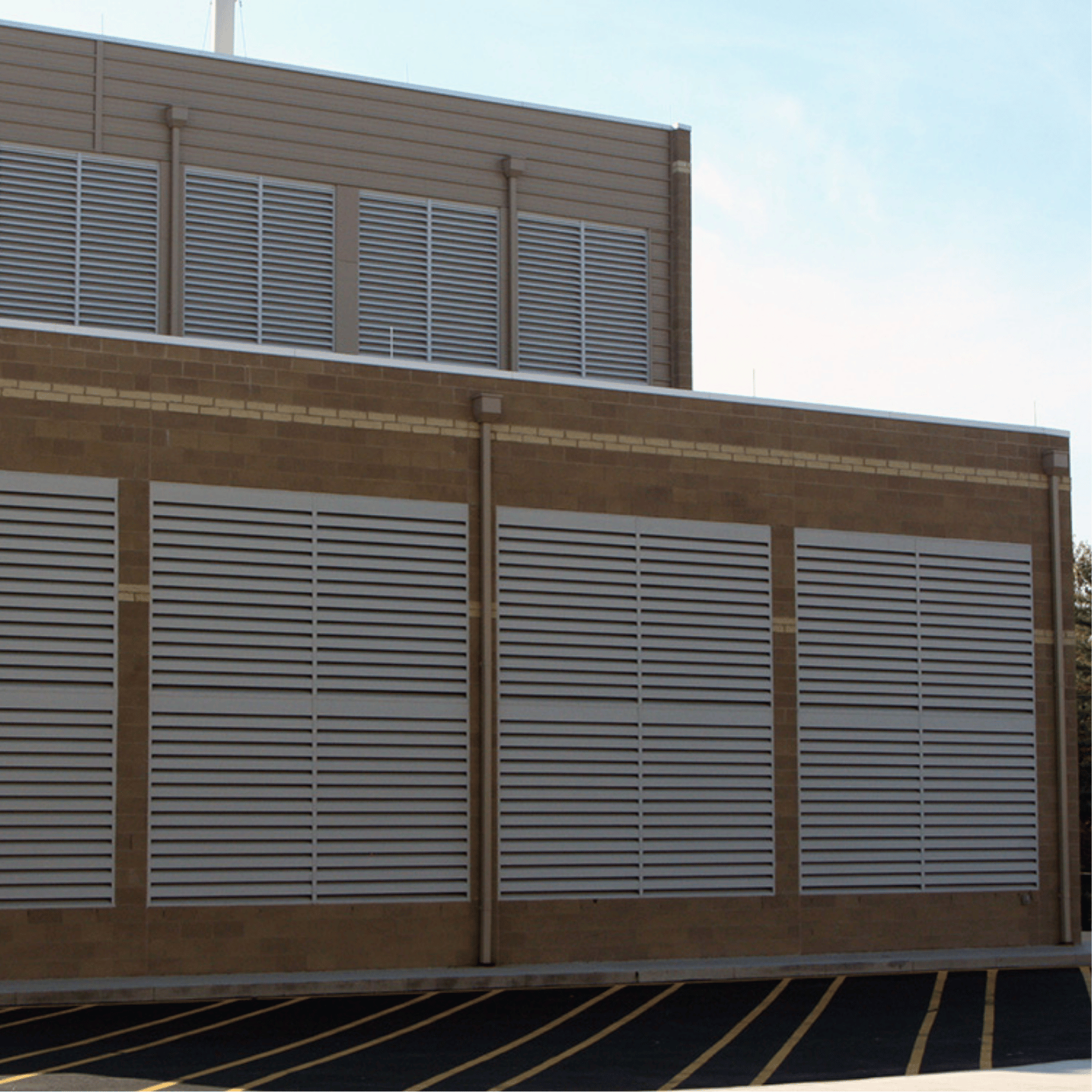
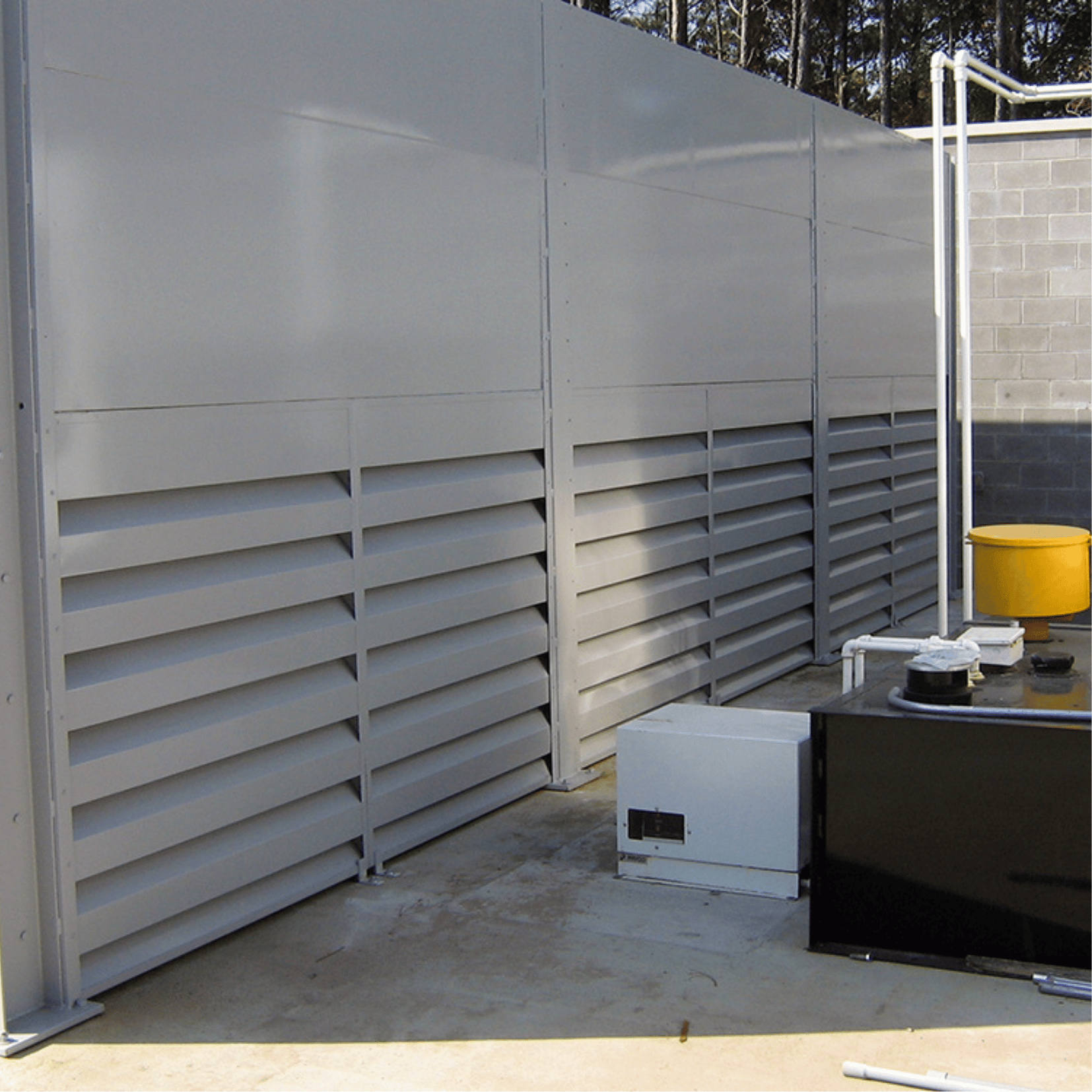
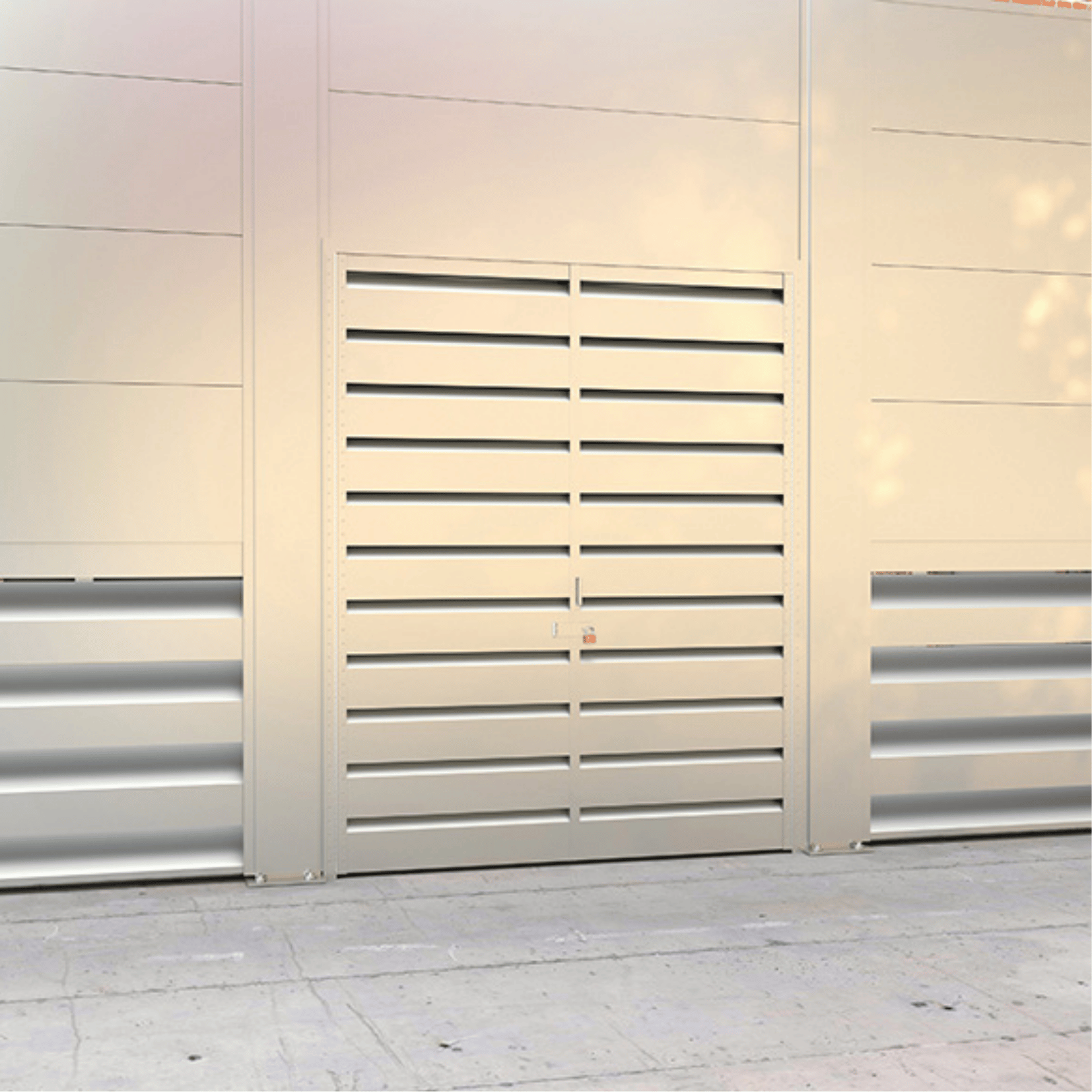
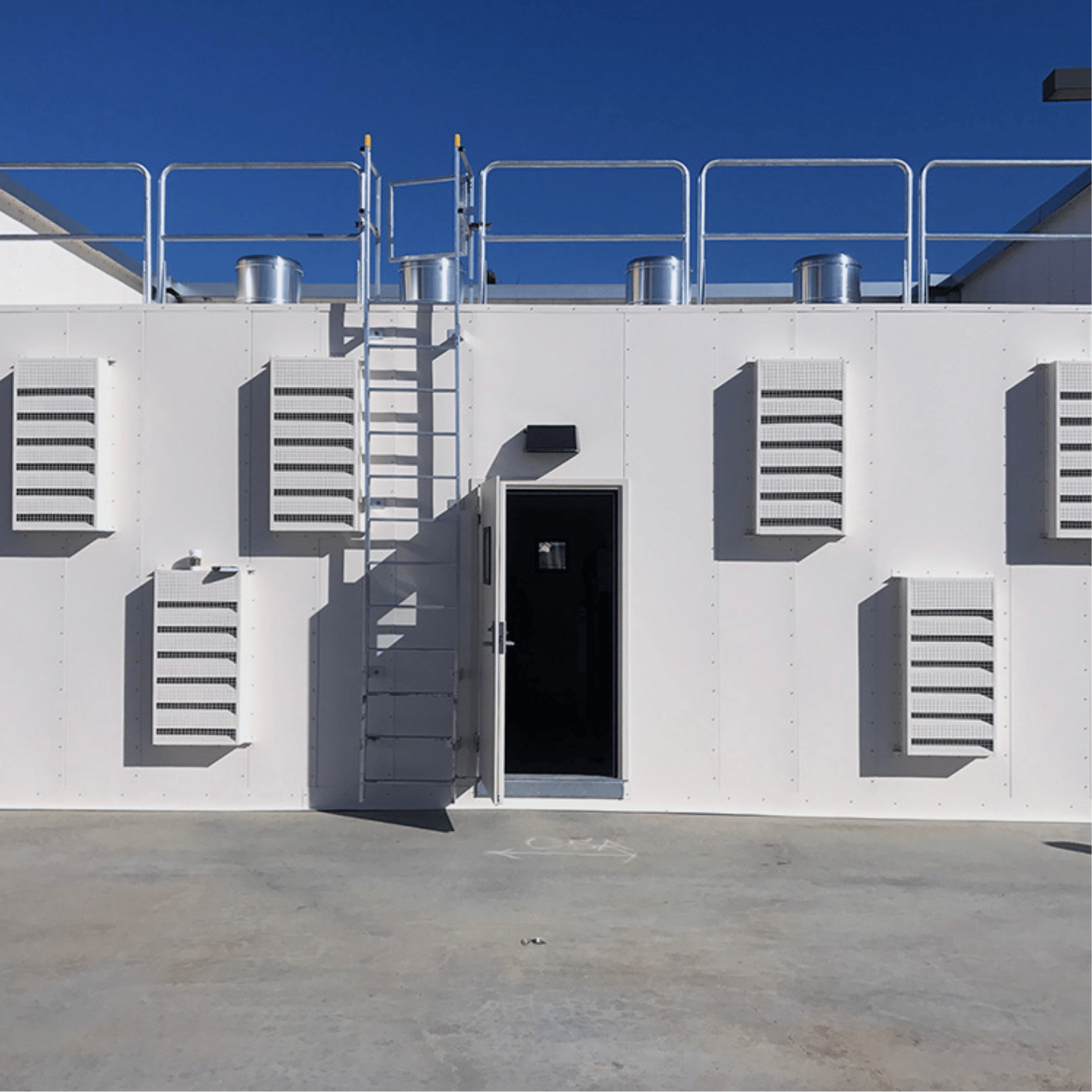
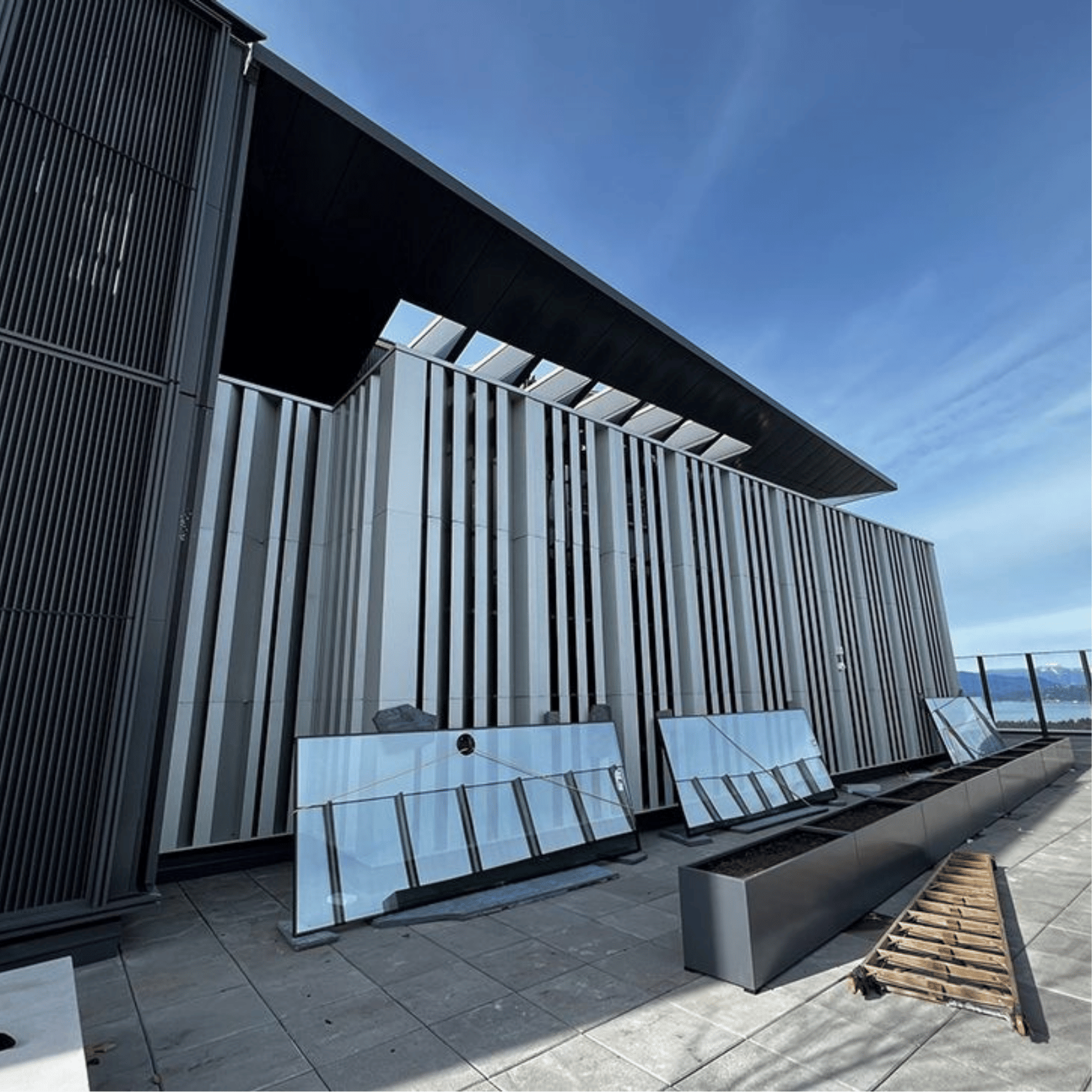
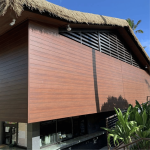
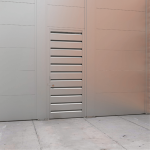
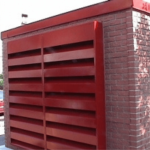
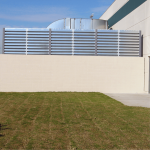
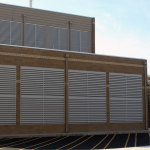
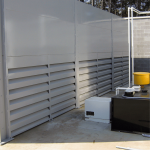
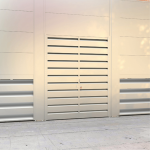
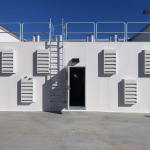
KINETICS® Fixed Blade Acoustic Louvers provide an economical, effective, and visually attractive solution for reducing noise where ventilation airflow must be maintained. They are used as part of intake and exhaust air systems for buildings, structures, equipment rooms, acoustic enclosures, and mechanical plant areas, helping reduce noise produced by HVAC and industrial equipment.
Designed for Limited-Depth Installations
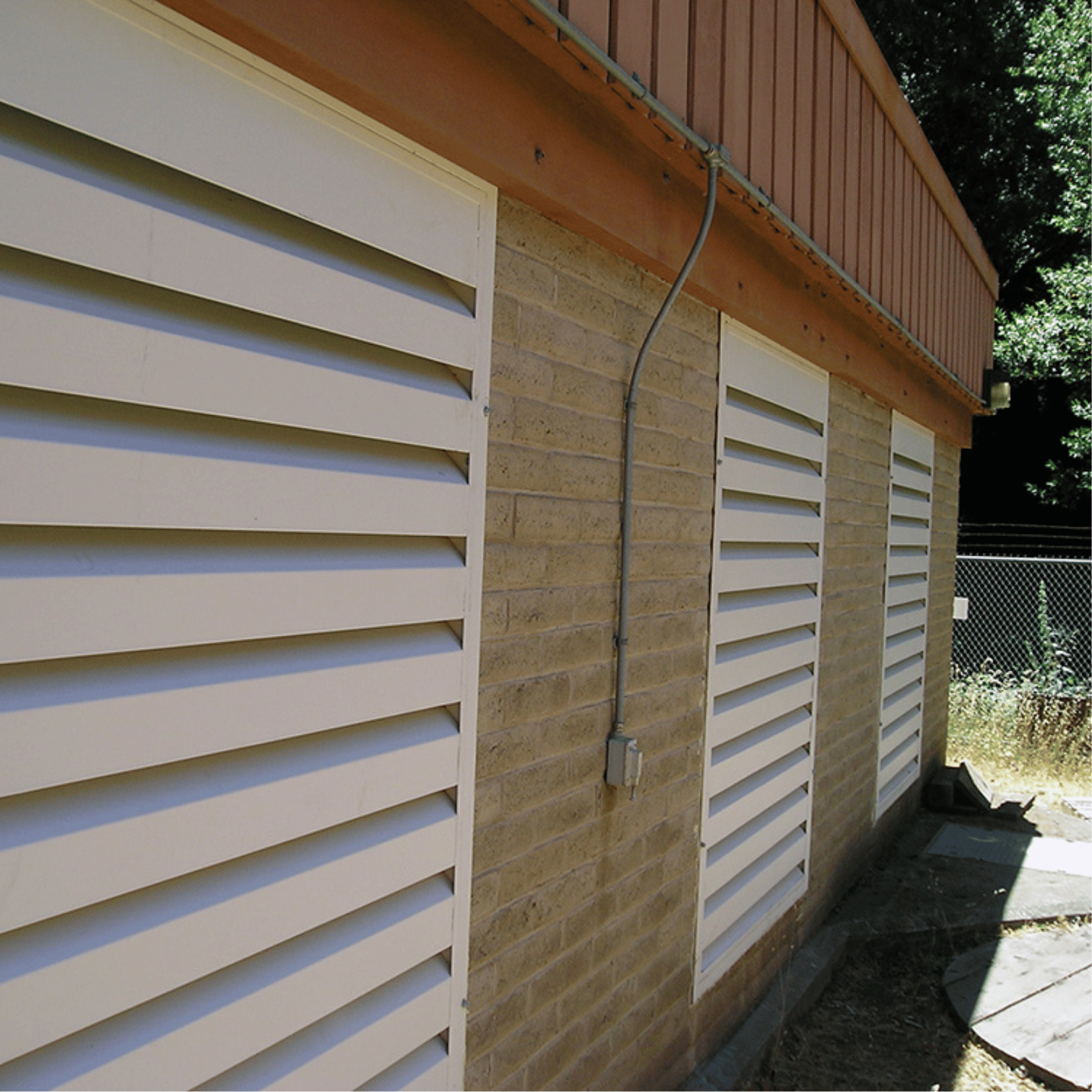
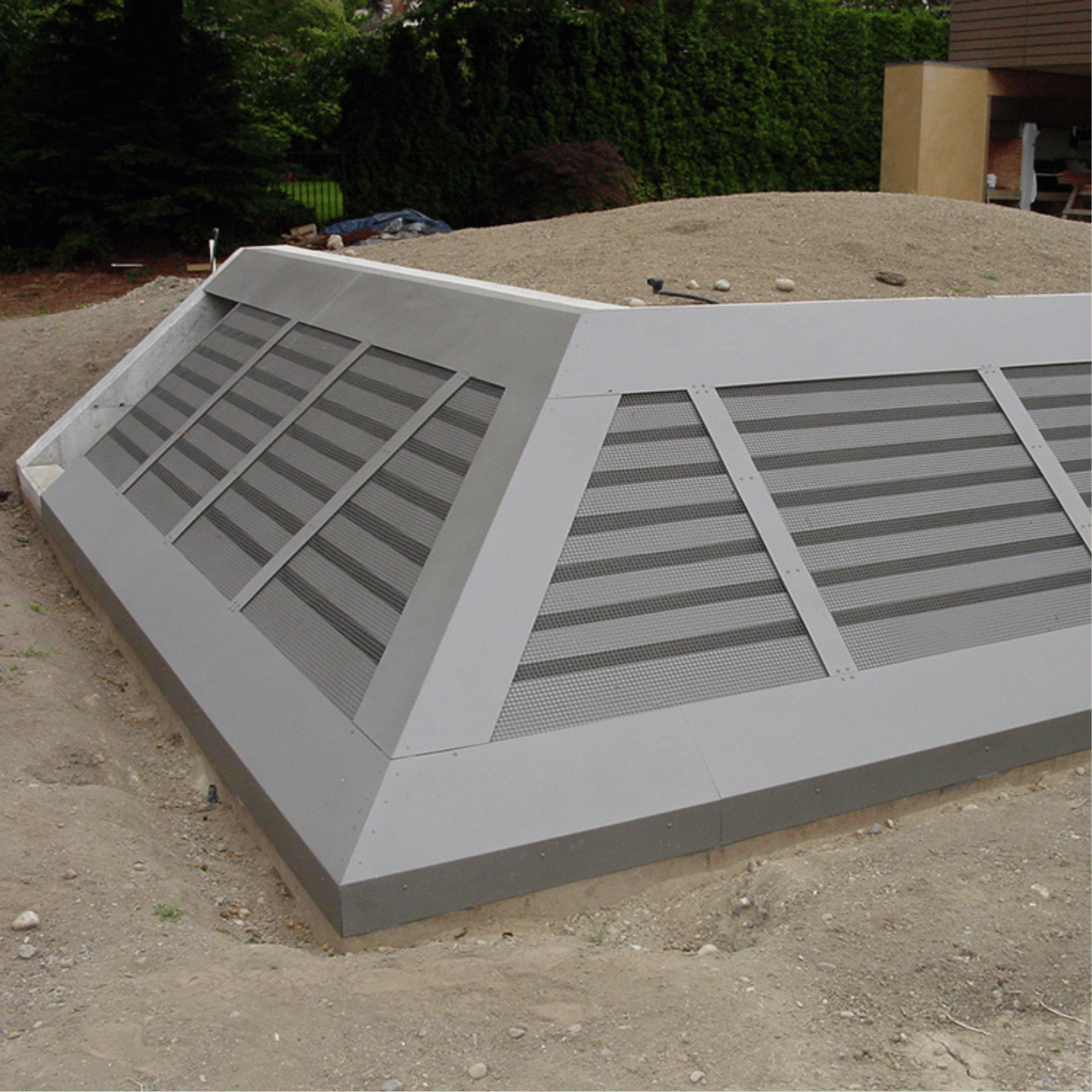
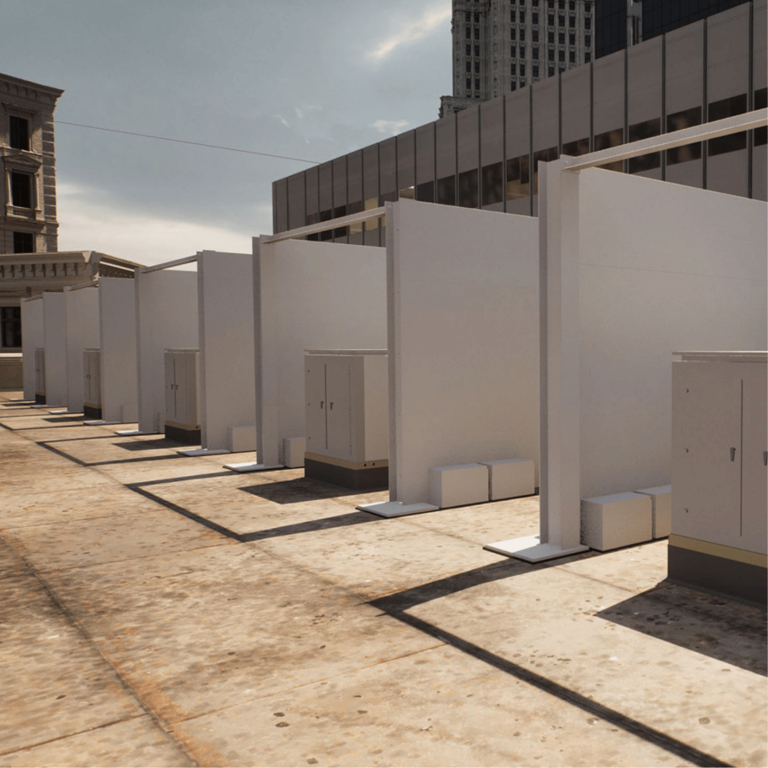
Acoustic Louvers are especially suitable where maximum sound reduction is required but available installation depth is limited. Their relatively large absorptive surface area helps compensate for shallow depth, making them practical for plantrooms, generator rooms, equipment yards, rooftop systems, pump rooms, and building ventilation openings.
Multiple Louver Types for Project Requirements
Kinetics Acoustic Louvers are available in several model types, including KCDC, KCAC, KCPL, KCAL, and KCFL. Models vary by depth, material type, percent open area, blade configuration, pressure loss, and noise reduction performance, allowing consultants and contractors to select the correct acoustic louver for airflow, pressure drop, architectural, security, and acoustic requirements.
Model Options and Engineering Use
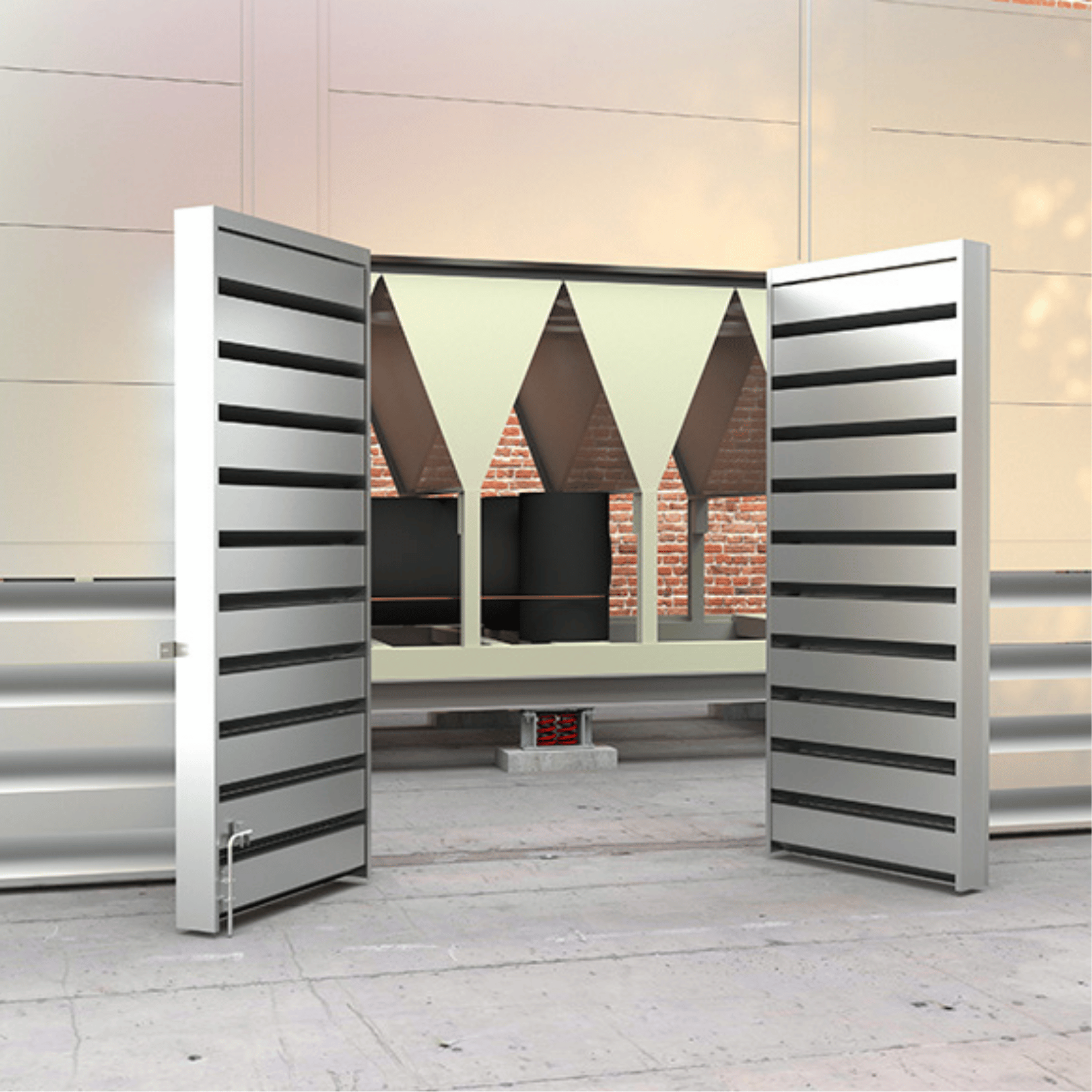
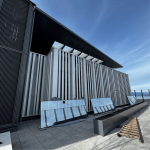
KCDC Acoustic Louvers are engineered for data center applications and provide up to 51% open area, 12″ thickness, consistent pressure drop, no line of sight, and a chevron blade design for visual screening. KCAC models provide 30–40% open area, 12″, 16″, or 24″ thickness, no line of sight for security applications, and maximum attenuation. KCPL models provide 30–40% open area, 6″, 8″, or 12″ thickness, small vane spacing, and low-frequency noise control. KCAL models provide 40–50% open area, 6″ or 12″ thickness, low pressure drop, lightweight construction, and cost-effective performance. KCFL models provide 33–38% open area, 6″, 8″, or 12″ thickness, airfoil blade geometry to reduce pressure loss, and architectural aesthetics.
How Acoustic Louvers Work
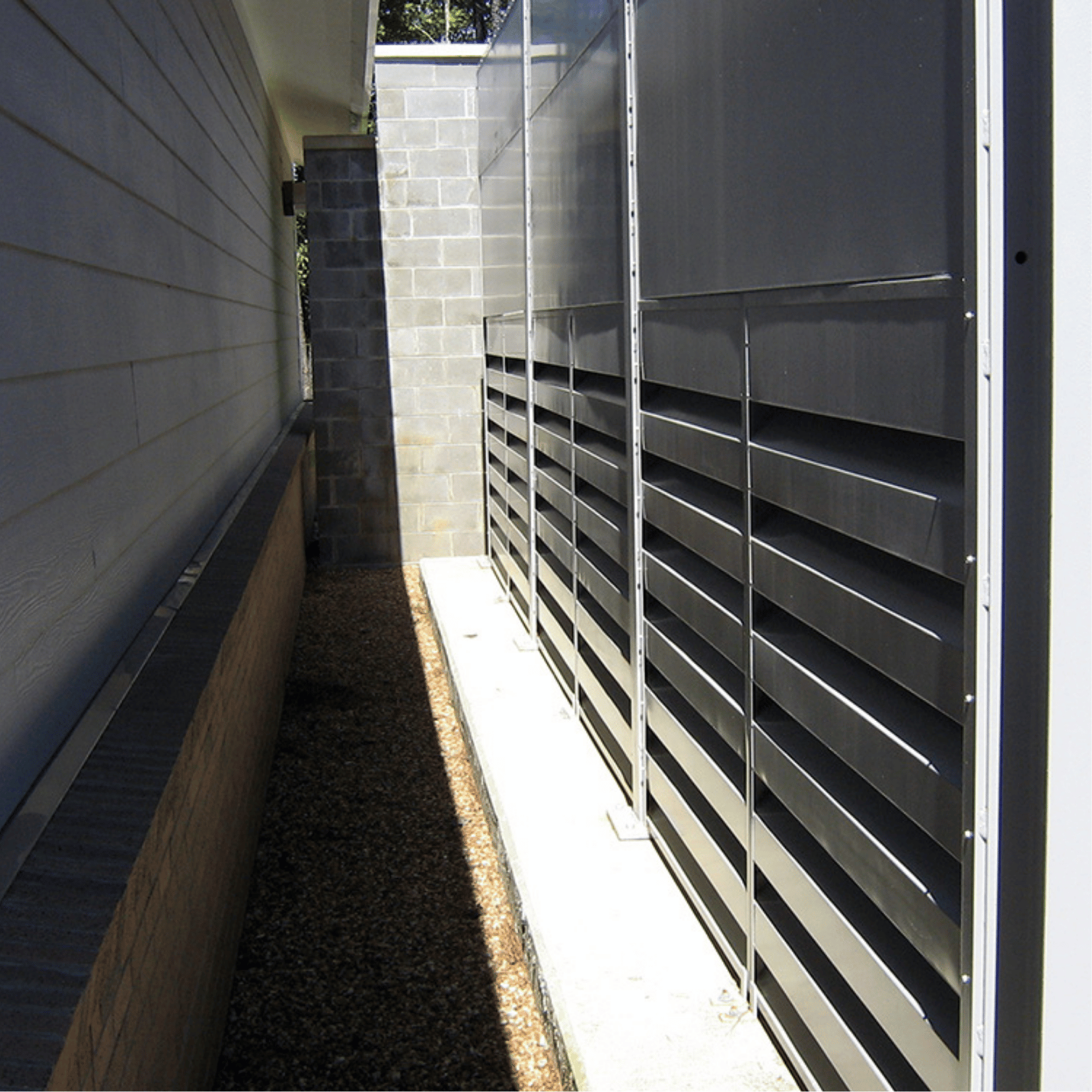
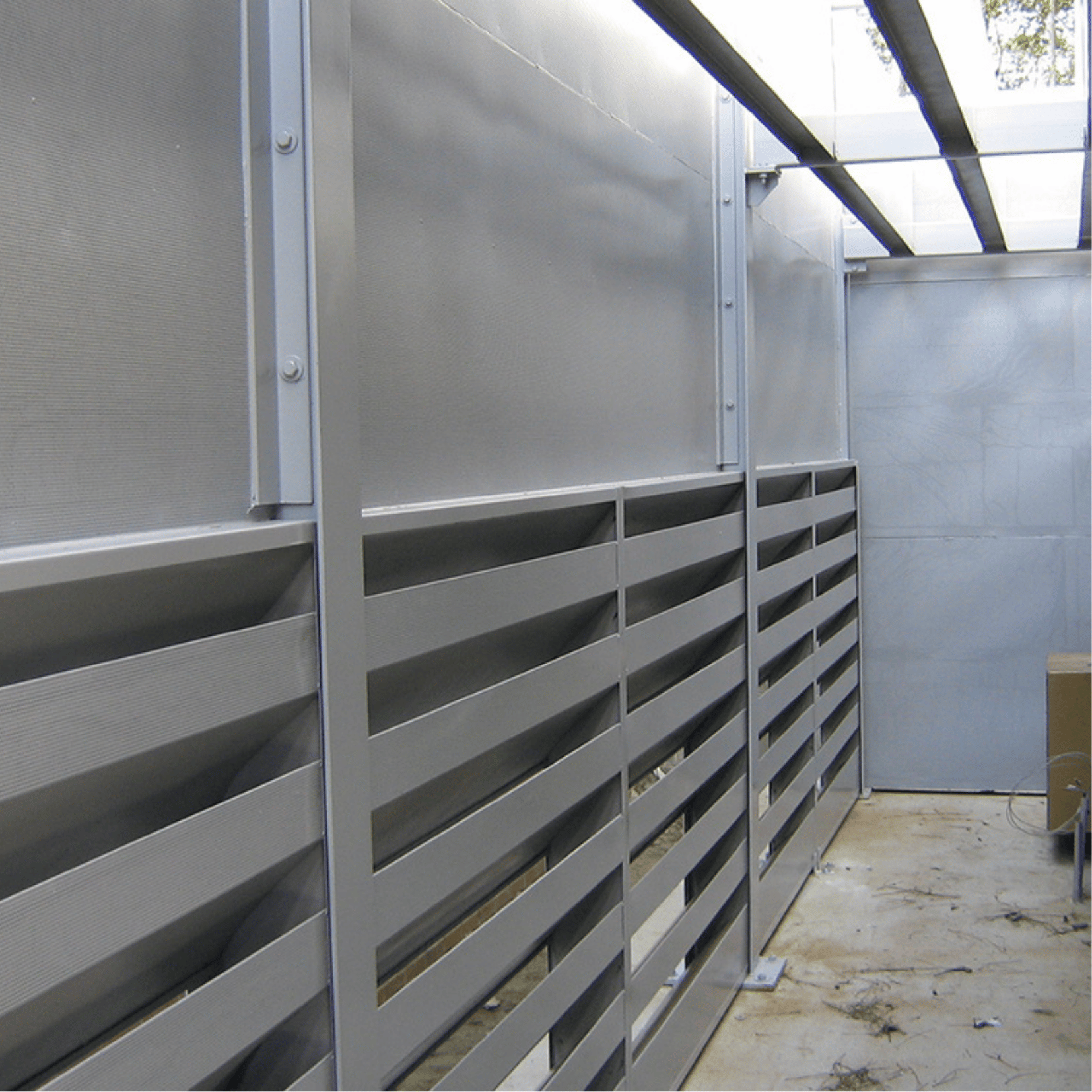
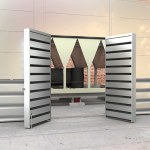
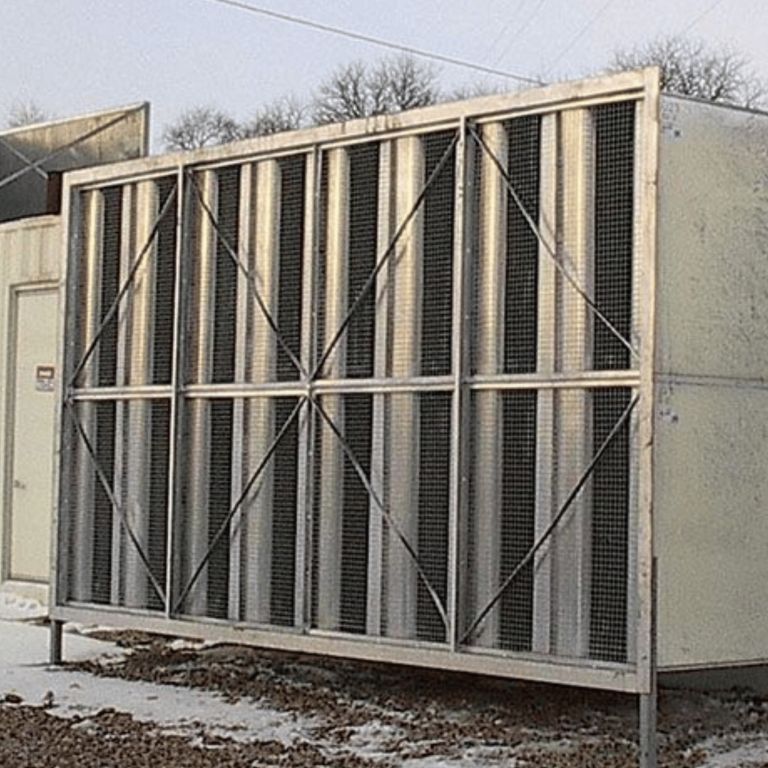
The louver blades are angled to prevent direct line of sight, helping reduce straight-through noise transmission. The top of each horizontal blade is solid, while the underside is perforated and filled with acoustic media to absorb sound energy. This design supports noise reduction while allowing required ventilation airflow through the louver assembly.
Materials, Finishes, and Accessories
KINETICS® Acoustic Louvers are available in galvanized steel Type G90, aluminum, stainless steel 304, and stainless steel 316. Finish options include powder-coat and baked-enamel finishes, with powder-coat systems such as TIGER Drylac®, Sherwin-Williams POWDURA®, and Kynar 500® options referenced by Kinetics. Accessories include flanges, bird screens, powder-coat finish, and structural design services for large louver banks and acoustic louver walls.
Suitable for Consultant-Led MEP and Acoustic Design
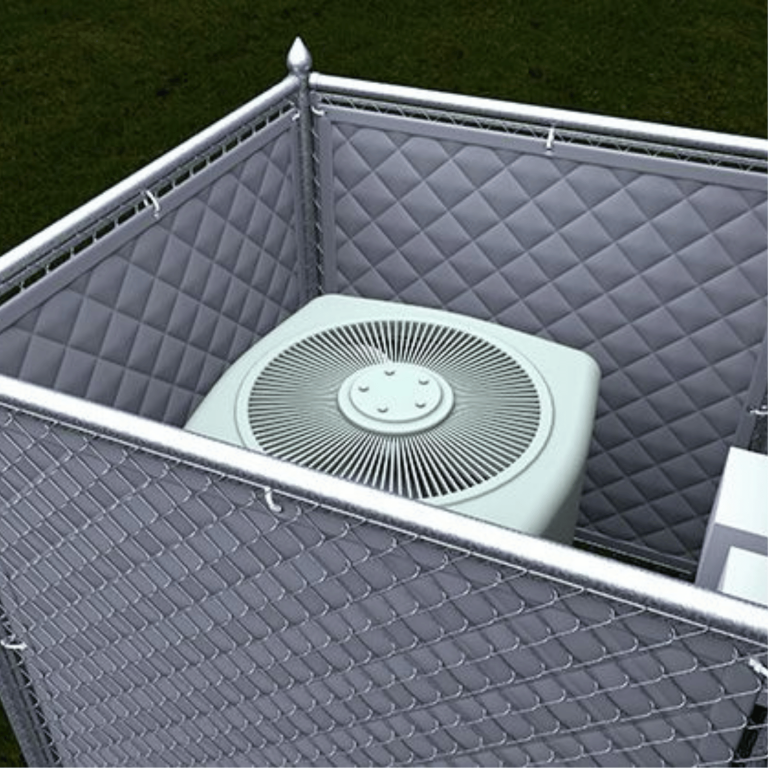
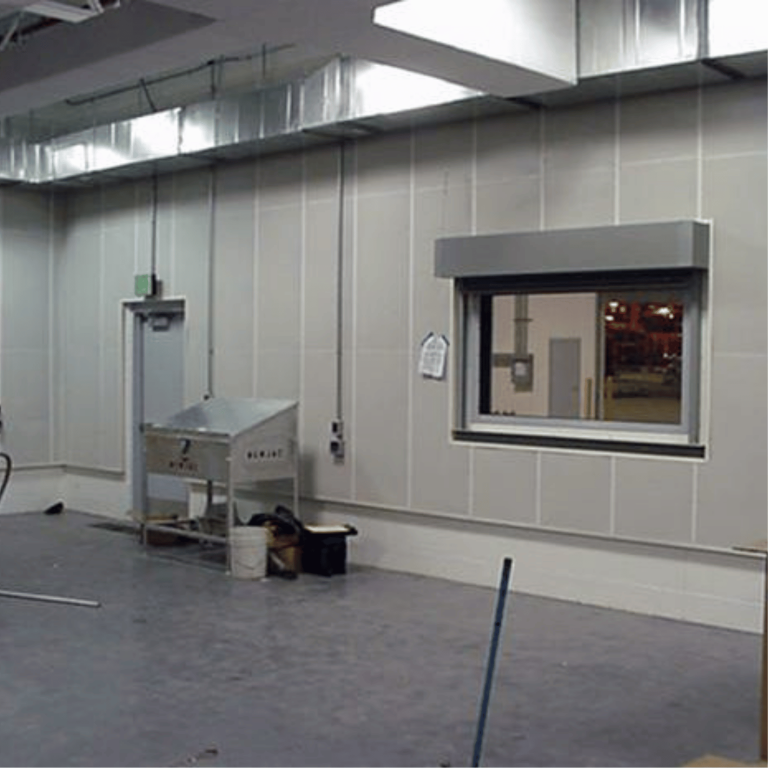
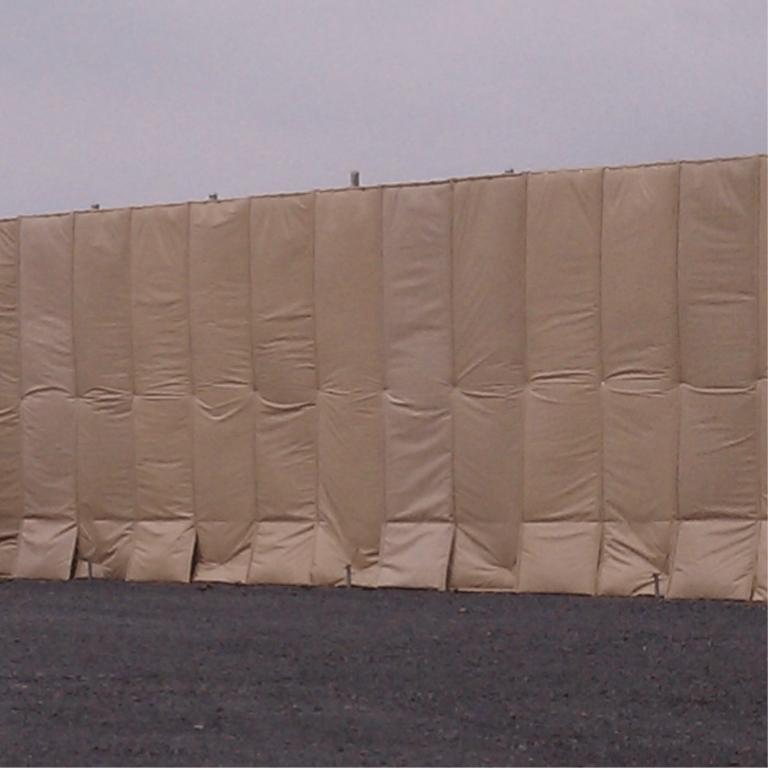
For acoustic consultants, MEP engineers, contractors, and project owners in the UAE and wider GCC region, KINETICS® Fixed Blade Acoustic Louvers support ventilation noise control in commercial buildings, hospitals, hotels, schools, data centers, industrial facilities, generator rooms, pump rooms, chiller plants, and infrastructure projects. They can also be incorporated into Kinetics NOISEBLOCK™ systems and noise control curtain enclosure systems where ventilation and sound attenuation are both required.