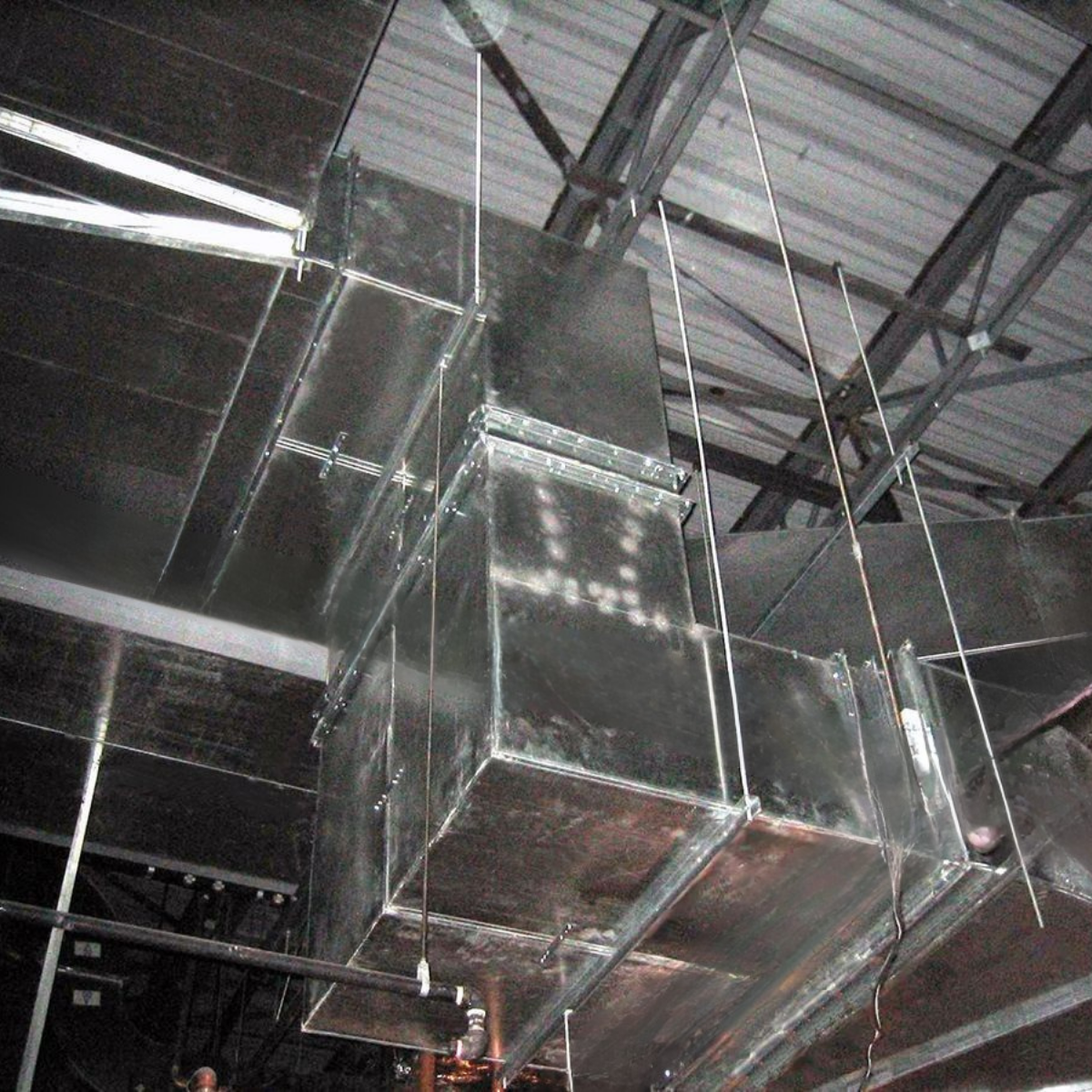
Kinetics crosstalk and vent shaft silencers reduce room-to-room speech and HVAC noise transmission while allowing ventilation air to pass through walls, partitions, ceilings and vertical shafts. Engineered for UAE and MENA building projects, these acoustic transfer silencers can be selected to meet project-specific airflow, pressure-drop, space and speech-privacy requirements.
Available in straight, L-shaped, Z-shaped and U-shaped configurations, Kinetics silencers provide an effective solution for offices, meeting rooms, hotels, hospitals, schools, residential buildings and other spaces where acoustic separation and continuous air transfer are both required.
Engineered for Performance.
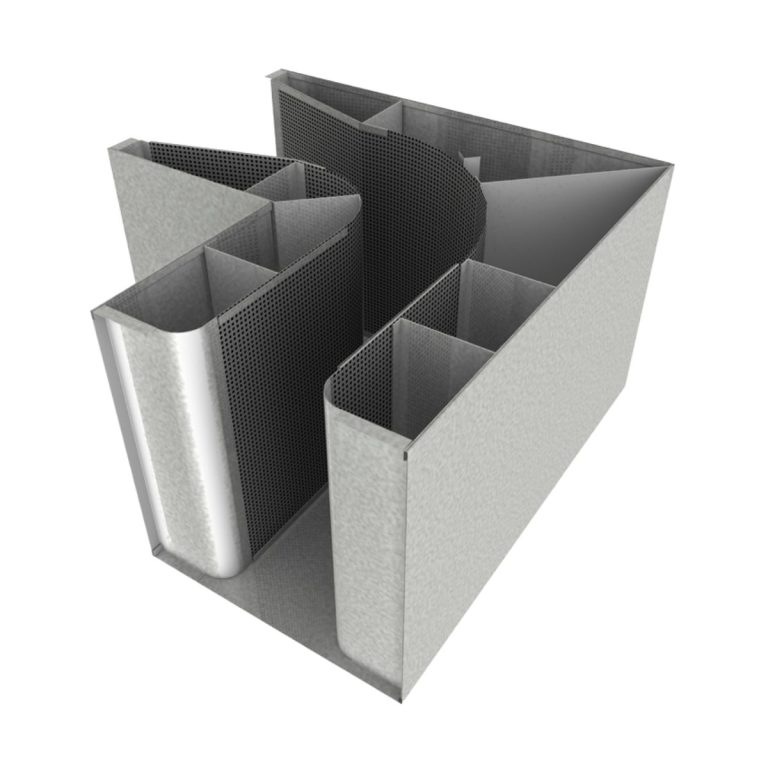
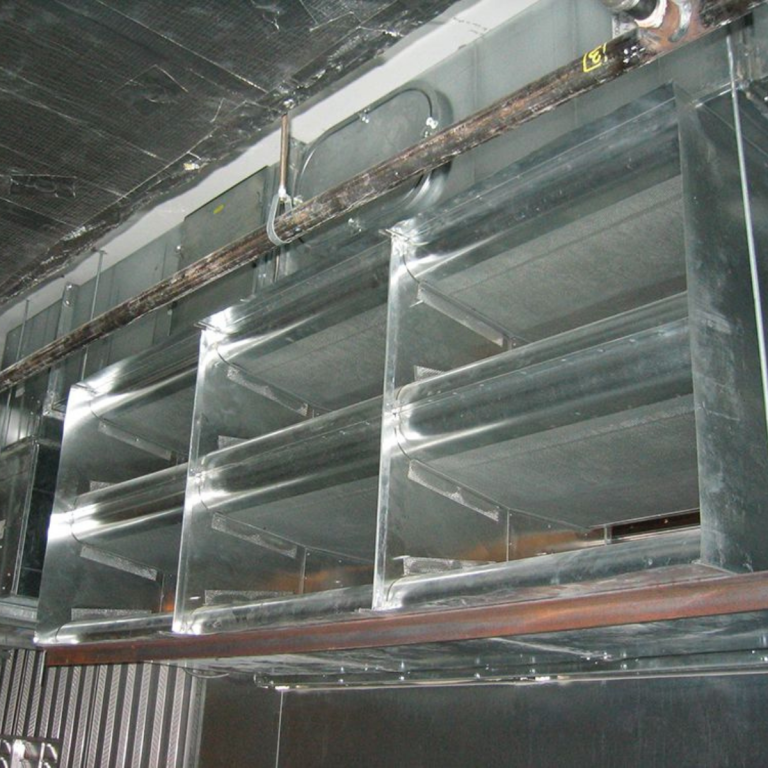
Kinetics Vent Shaft and Crosstalk Duct Silencers are engineered sound attenuators used where airflow must pass between spaces without compromising the acoustic separation of common walls, partitions, or shaft systems. These silencers are designed to permit the circulation of air through walls and vent shafts while helping prevent unwanted sound transfer between adjacent rooms, corridors, shafts, and occupied spaces.
Made in the UAE by Kinetics, these acoustic duct silencers are suitable for commercial buildings, hotels, hospitals, schools, offices, residential developments, data centers, mechanical rooms, and other projects where ventilation and acoustic privacy must be coordinated. They are particularly useful in HVAC and MEP designs where transfer air, return air, pressure relief, or shaft ventilation is required, but direct sound paths could reduce the sound isolation performance of the wall or partition.
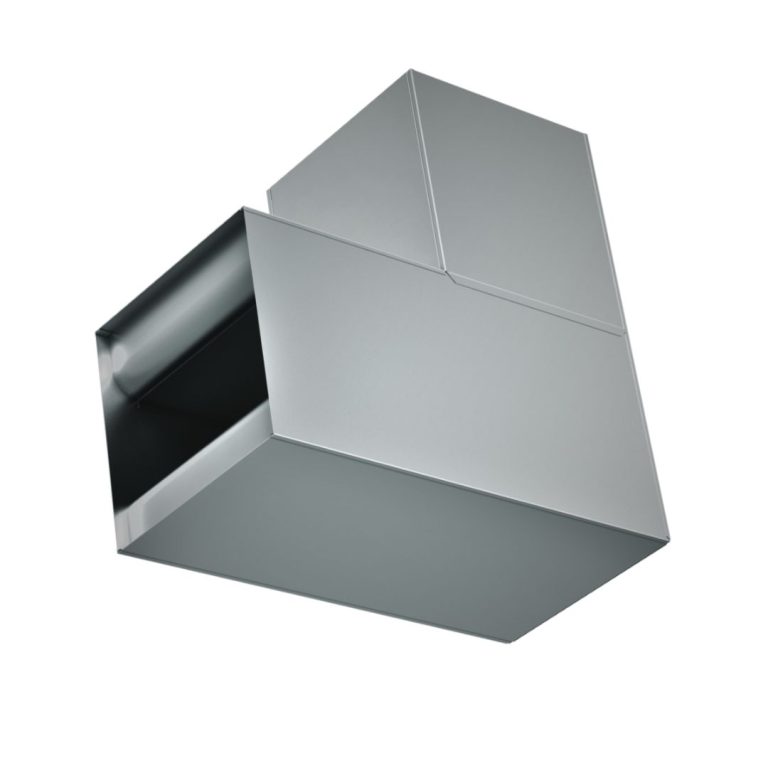
Vent Shaft and Crosstalk Duct Silencers are available in multiple configurations to suit project layouts and space constraints, including L-Shaped, Z-Shaped, U-Shaped, and S-Straight arrangements. These configurations allow consultants, acoustic engineers, architects, and MEP contractors to select a silencer layout that supports airflow movement while reducing cross-talk noise between adjoining spaces.
By combining acoustic attenuation with practical duct routing flexibility, Kinetics Vent Shaft and Crosstalk Duct Silencers support improved acoustic comfort, speech privacy, and ventilation performance in noise-sensitive buildings across the UAE, GCC, Middle East, and wider MENA construction market.
Install each Kinetics Vent Shaft or Crosstalk Duct Silencer in accordance with the approved product submittal, coordinated shop drawings, model-specific installation instructions and applicable project requirements.
Confirm the required opening dimensions and silencer orientation before constructing the surrounding wall, partition, ceiling or shaft. Provide independent structural support so that the silencer is not supported only by lightweight ductwork or architectural finishes.
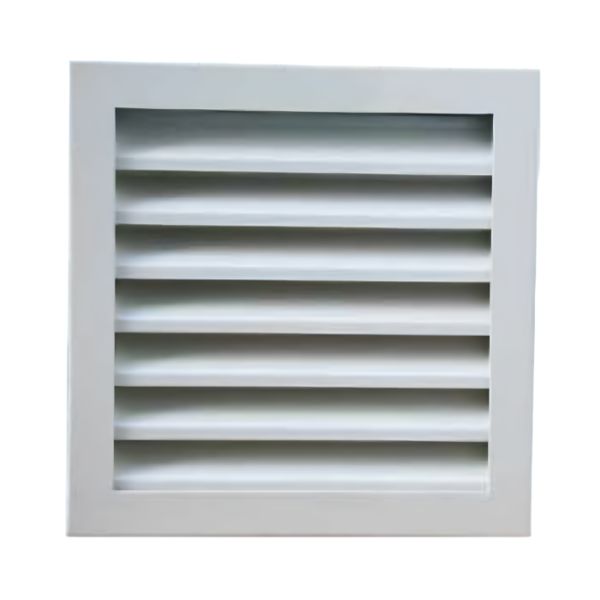
Position the silencer in the approved airflow direction and maintain clear, unobstructed inlet and outlet paths. Avoid reducing the scheduled opening area or placing dampers, grilles, bends or other obstructions immediately against the silencer unless they are included in the approved selection.
Seal continuously around the silencer perimeter using the approved acoustic and fire-rated construction details. Untreated gaps, rigid flanking paths and unsealed penetrations can allow sound to bypass the silencer and reduce the acoustic performance of the completed assembly.
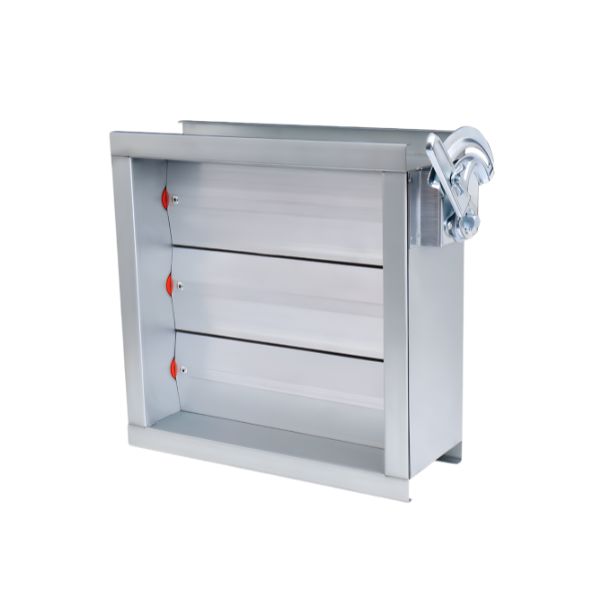
Where the silencer penetrates a fire-rated or smoke-rated wall, shaft or partition, coordinate the installation with the responsible fire consultant and the approved fire-stopping and damper requirements. A crosstalk silencer must not be treated as a substitute for a required fire or smoke damper.
During commissioning, verify the airflow volume, pressure drop, airflow direction and absence of excessive regenerated noise. Inspect perimeter seals, duct connections, supports and surrounding construction before ceilings or access panels are closed.
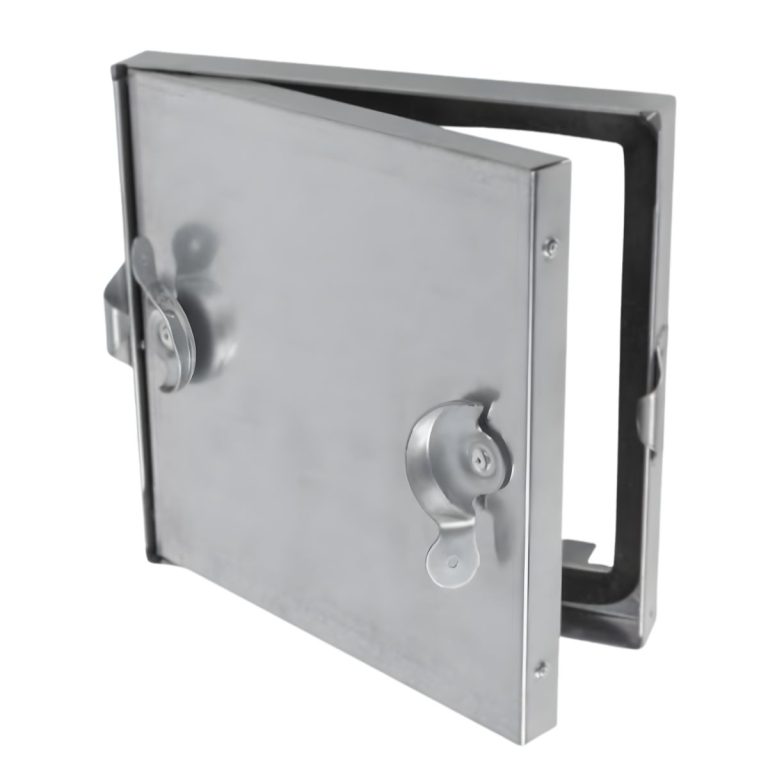
Provide suitable access where inspection or cleaning is required. Protect the acoustic surfaces from water, construction dust, impact damage and uncontrolled contamination during storage and installation.
The approved Kinetics product submittal and installation drawings take precedence over these general guidelines.