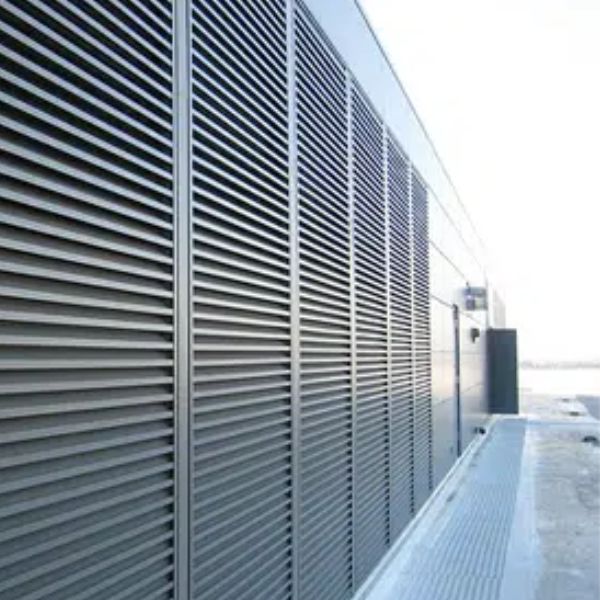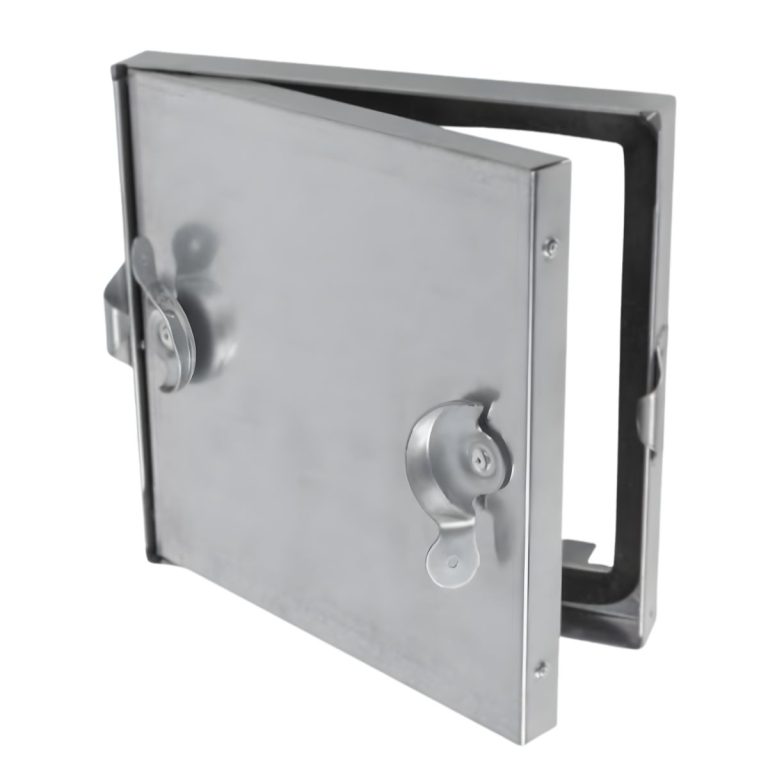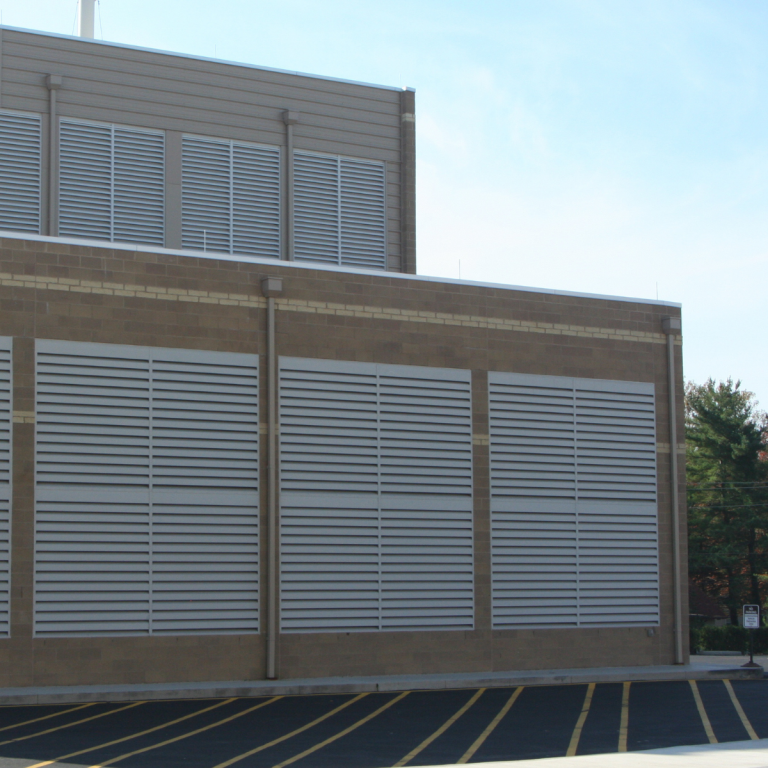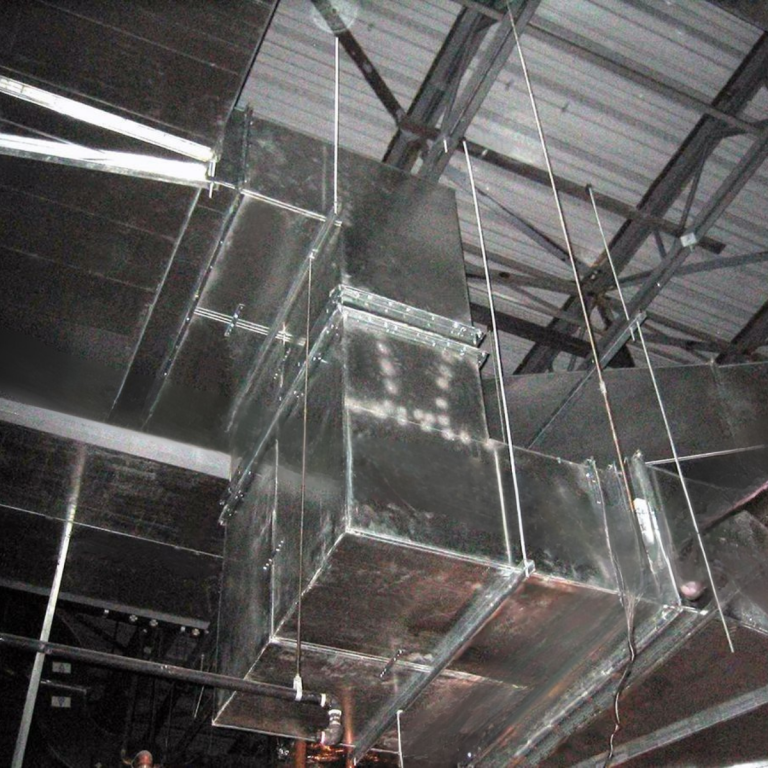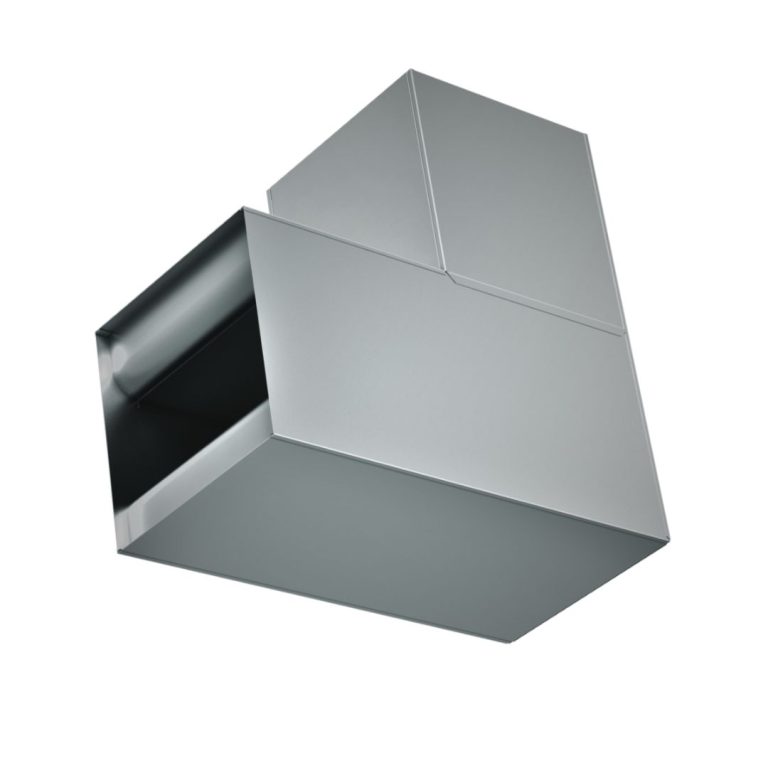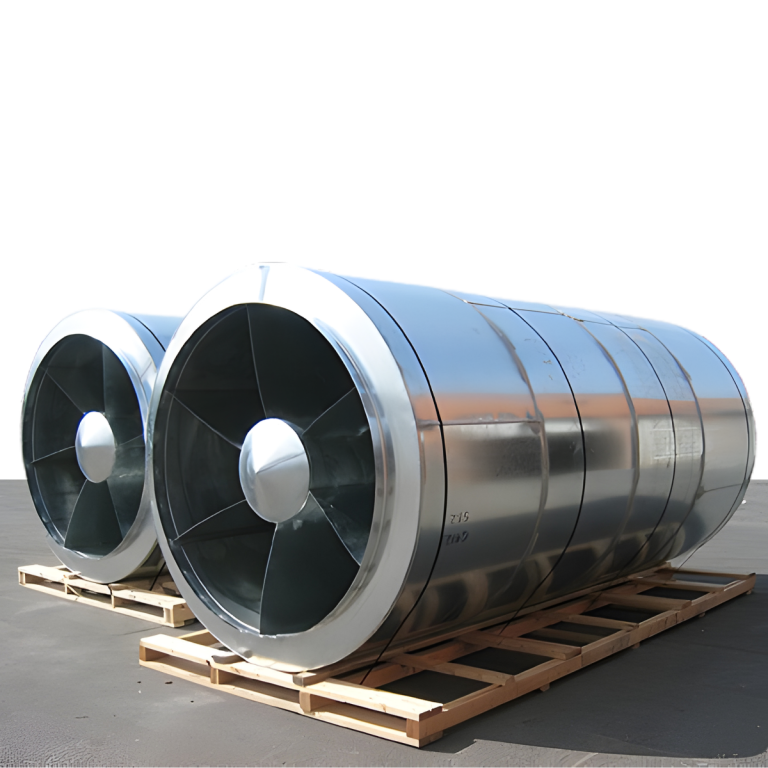
Kinetics Group manufactures UAE-made rectangular duct silencers for reducing fan, airflow and mechanical ventilation noise in HVAC duct systems. Also known as rectangular sound attenuators, these units are custom-engineered to provide the required acoustic insertion loss while controlling pressure drop and regenerated noise. They are suitable for AHUs, fan inlets and discharges, cooling towers, mechanical rooms, plantrooms and cross-talk applications in commercial, healthcare, hospitality, data-centre, institutional and industrial projects across the UAE, GCC and wider MENA region.
Engineered for Performance.
Rectangular duct silencers, also known as rectangular sound attenuators, are engineered to reduce noise transmitted through HVAC and ventilation ductwork. They are commonly used to control fan noise, airflow noise and mechanical equipment noise before it reaches occupied rooms, outdoor areas or other noise-sensitive spaces.
Kinetics Group provides engineered rectangular duct silencers for commercial, residential, healthcare, hospitality, data-centre and industrial projects across the UAE, GCC and wider MENA region. Each silencer can be selected according to the required acoustic performance, available duct dimensions, system airflow and allowable pressure drop.
Kinetics rectangular sound attenuators are manufactured in the UAE to meet project-specific HVAC acoustic and aerodynamic requirements. Local manufacturing enables Kinetics to support consultants, MEP contractors, equipment manufacturers and project teams with custom dimensions, coordinated flange arrangements, technical submittals and regional delivery.
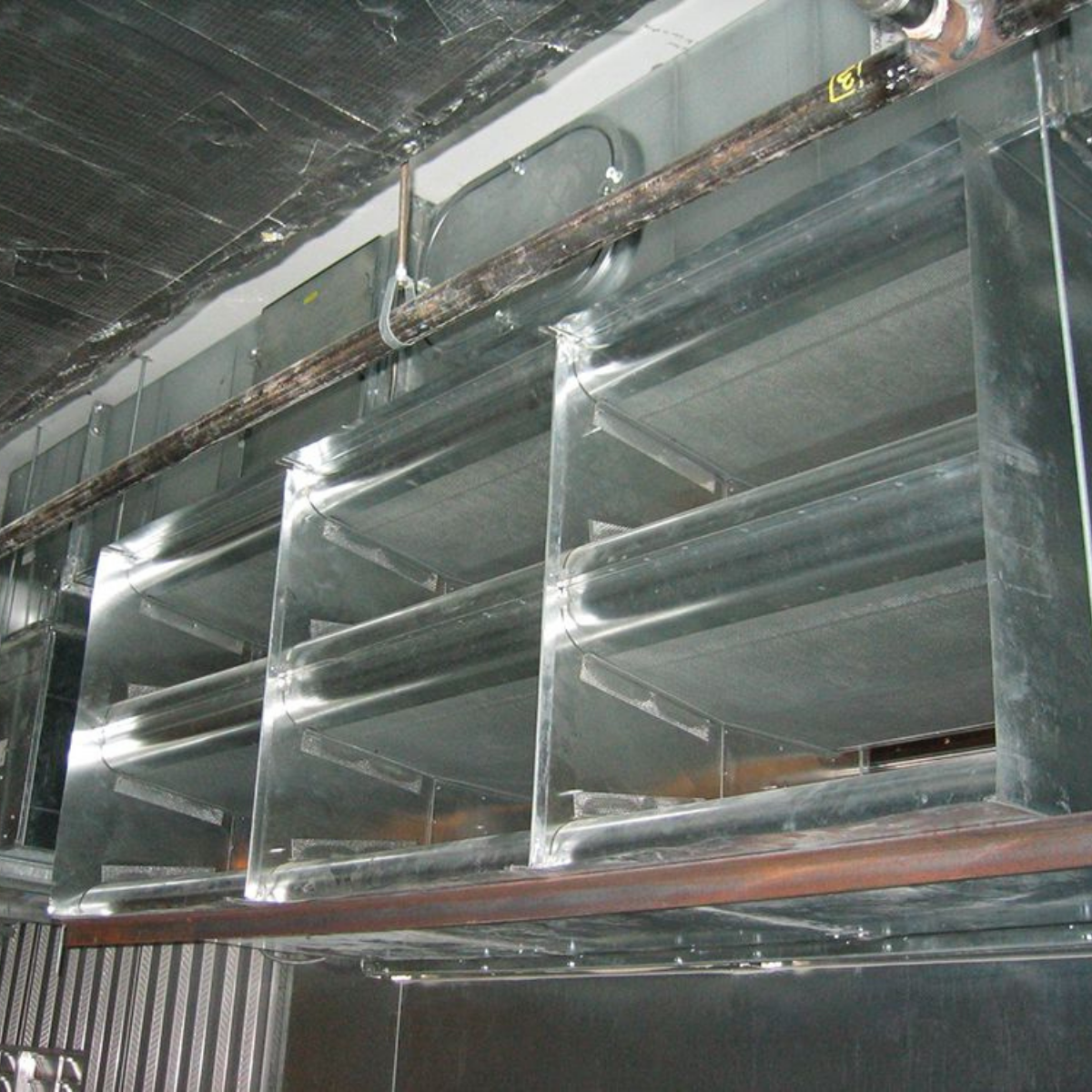
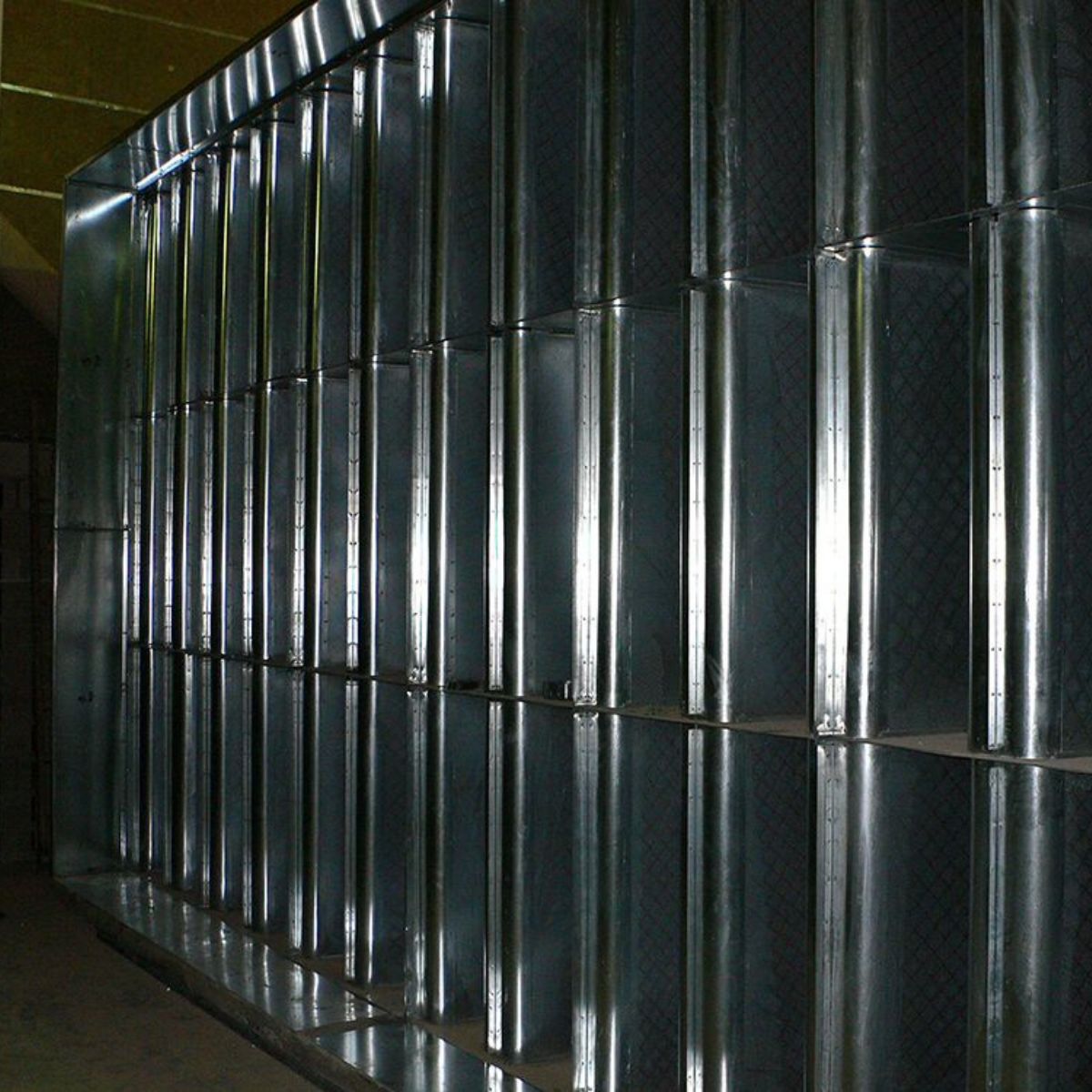
The silencers are designed for installation within rectangular supply-air, return-air, fresh-air and exhaust-air duct systems. Internal acoustic splitters provide a large sound-absorbing surface while maintaining an open path for ventilation airflow.
Kinetics uses aerodynamically designed splitters with radiused leading edges and tapered trailing edges. This bell-mouth-style entry and exit helps reduce airflow turbulence, limit regenerated noise and control pressure loss through the attenuator.
By combining acoustic engineering, specialized fabrication and regional project support, Kinetics provides rectangular duct silencers suitable for both new HVAC installations and noise-control upgrades to existing systems.
Noise produced by fans, air-handling units and other mechanical equipment can travel through HVAC ductwork and enter occupied or noise-sensitive spaces. A rectangular duct silencer is installed in the airflow path to reduce this duct-borne sound before it reaches the receiving area.
Inside the silencer, sound waves interact with acoustically treated splitters positioned parallel to the direction of airflow. The absorptive media within the splitters converts part of the sound energy into very small amounts of heat, reducing the acoustic energy that passes through the duct system.
The amount of noise reduction depends on several factors, including:
Longer silencers and narrower airways can provide greater insertion loss, but they may also increase pressure drop. The silencer must therefore be selected as part of the complete HVAC system rather than by duct size alone.
The performance of a rectangular duct silencer is evaluated using three principal engineering parameters: insertion loss, pressure drop and regenerated noise.
Insertion loss is the reduction in sound level achieved after the silencer is introduced into the duct system. It is normally stated in decibels across octave-band centre frequencies such as 63 Hz, 125 Hz, 250 Hz, 500 Hz, 1,000 Hz, 2,000 Hz, 4,000 Hz and 8,000 Hz.
Low-frequency noise from large fans and mechanical equipment can be more difficult to control than mid- and high-frequency noise. Silencer length, splitter configuration and acoustic media must therefore be selected according to the required octave-band performance rather than a single overall sound-reduction figure.
Pressure drop is the reduction in static pressure caused by airflow resistance through the silencer. Excessive pressure drop can increase fan power requirements and affect HVAC system efficiency. The selected attenuator should achieve the required acoustic reduction without exceeding the allowable system pressure loss.
Regenerated noise, also called airflow-generated or self-generated noise, is created as air moves through the silencer. It becomes increasingly important at higher velocities or where turbulent air enters the attenuator. Aerodynamic splitter profiles, suitable airway dimensions and proper installation conditions help limit regenerated noise.
Kinetics rectangular duct silencers are engineered to balance these three parameters, providing the required noise reduction while maintaining acceptable airflow performance.
Rectangular duct silencers can be incorporated into a wide range of HVAC and mechanical ventilation systems. Common installation locations include:
They may be used in hospitals, hotels, offices, residential developments, shopping centres, schools, auditoriums, cinemas, data centres, industrial facilities and other buildings where mechanical noise must be controlled.
For mechanical rooms, the silencer helps prevent fan and equipment noise from travelling through duct openings into occupied areas. At AHU and fan connections, it reduces sound transmitted along the supply or return duct network. In outdoor-air and exhaust systems, it can help control noise emitted through louvers, shafts and external openings.
The required configuration should be determined from the equipment sound-power data, room acoustic criterion, duct routing and available installation space.
Kinetics rectangular duct silencers can be manufactured in different configurations to suit available space, acoustic requirements and system resistance limits.
Available solutions may include:
Silencer width, height and length can be coordinated with the project duct dimensions. Large units may be manufactured in modules to simplify transportation, handling and site installation.
Custom configurations can also be developed for non-standard airflow conditions, restricted ceiling voids, large mechanical ventilation openings and projects requiring specific casing materials or flange details.
Final dimensions should be selected according to the required insertion loss, airflow rate, face velocity, allowable pressure drop and space available at the installation location.
Selecting a silencer solely according to duct size may result in insufficient noise reduction, excessive pressure loss or unacceptable airflow-generated noise. A complete acoustic and aerodynamic assessment should be performed whenever reliable performance is required.
The following information should be provided for accurate selection:
Kinetics can evaluate the duct system and recommend an appropriate silencer model based on the project criteria. Its acoustic selection capabilities can account for natural sound attenuation through ducts and fittings, room effects, equipment sound levels, silencer insertion loss and system pressure-loss limitations.
The selected model should always be confirmed against project-specific acoustic calculations and mechanical-system requirements before ordering or installation.
Rectangular duct silencers are constructed with an outer casing, internal splitters and acoustic media selected to suit the specified operating environment.
Depending on the model and project requirements, construction options may include:
The acoustic media is retained behind perforated metal surfaces so that sound energy can enter the absorptive material while the media remains protected from the main airflow.
Applications such as hospitals, laboratories, cleanrooms, food-production areas and electronics facilities may have restrictions on exposed fibrous media. Where required, alternative facings, specially protected media or packless reactive silencers can be considered according to the project specification.
All material and accessory requirements should be confirmed during technical selection to ensure compatibility with the duct system, operating temperature, air quality and environmental conditions.
Reliable silencer selection requires independently established acoustic and aerodynamic performance data. Applicable technical data should identify insertion loss, pressure drop and regenerated noise under defined airflow conditions.
Recognized laboratory test methods for duct silencers include ASTM E477 and ISO 7235. Project documentation should clearly state the exact test method, standard edition, airflow condition and silencer model to which the published data applies.
Depending on the selected product and project requirements, Kinetics can provide technical documentation such as:
The model designation shown on the technical submittal should correspond with the tested or rated product configuration. Any changes to silencer length, airway width, splitter design or construction may affect performance and should be reviewed before manufacture.
Contact Kinetics Group with the duct dimensions, airflow data, acoustic criteria and allowable pressure drop to request a project-specific rectangular duct silencer selection for HVAC and mechanical ventilation applications in the UAE, GCC and MENA region.
Correct installation is essential for achieving the scheduled acoustic and aerodynamic performance.
The silencer should be installed in the airflow direction indicated on the approved drawing or product label. Connections between the attenuator and adjoining ductwork must be properly aligned, supported and sealed to prevent air leakage and structure-borne vibration.
Where possible, provide a uniform airflow profile at the silencer inlet. Installing the unit immediately after a fan discharge, sharp elbow, partially closed damper or abrupt transition can create turbulence, increase pressure loss and generate additional noise. Adequate straight ductwork or an appropriate transition should be provided where required by the system design.
The following installation practices are recommended:
For outdoor or exposed installations, the casing, joints, supports and weather protection must be suitable for the environmental conditions. For large or modular silencers, lifting arrangements and site assembly procedures should follow the approved Kinetics drawings.