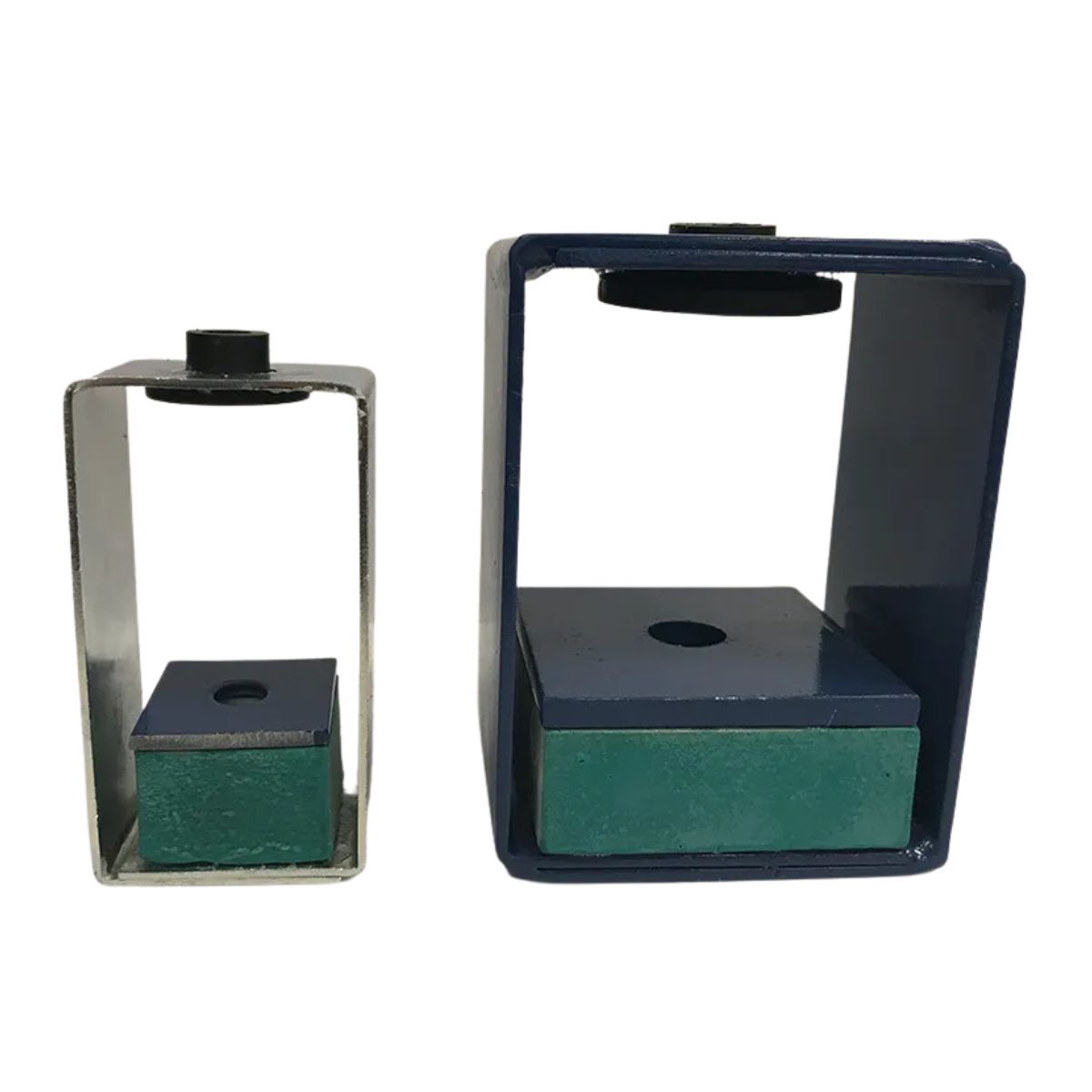
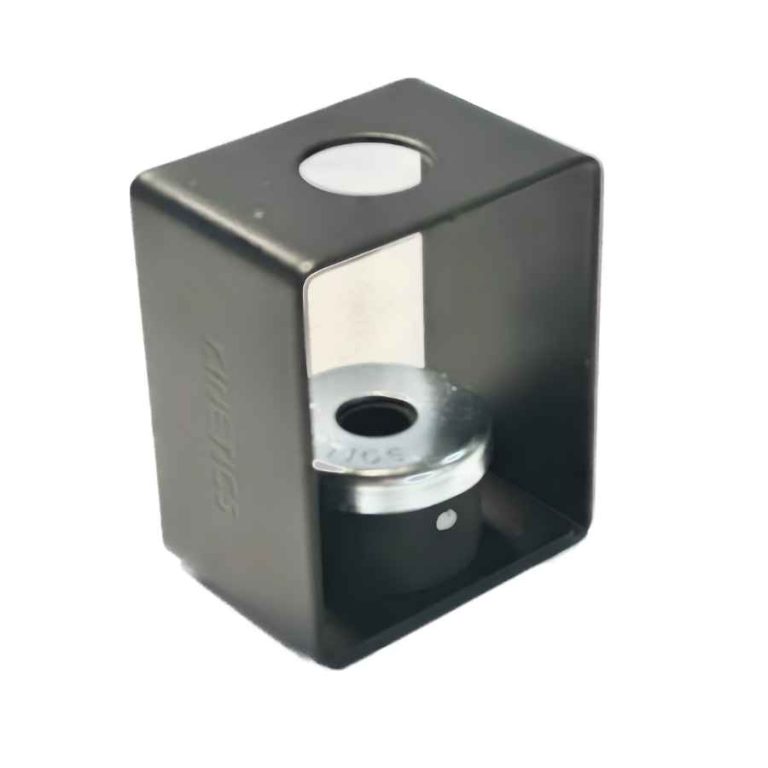
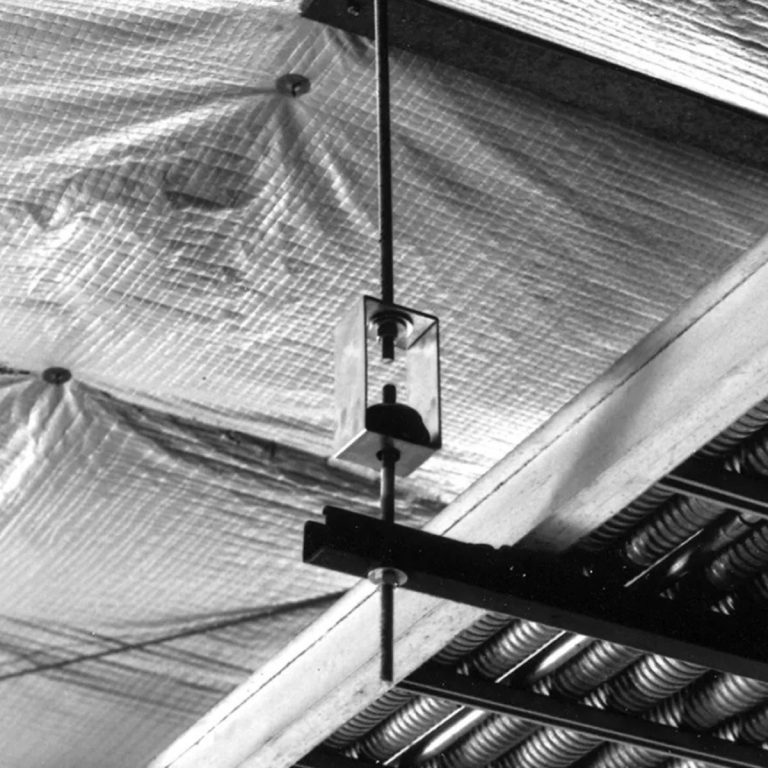
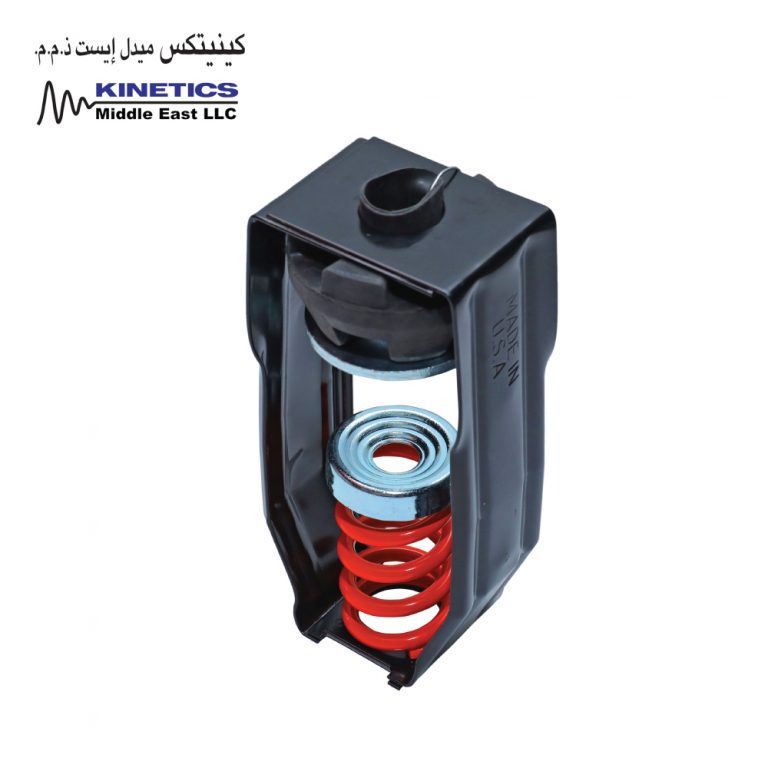
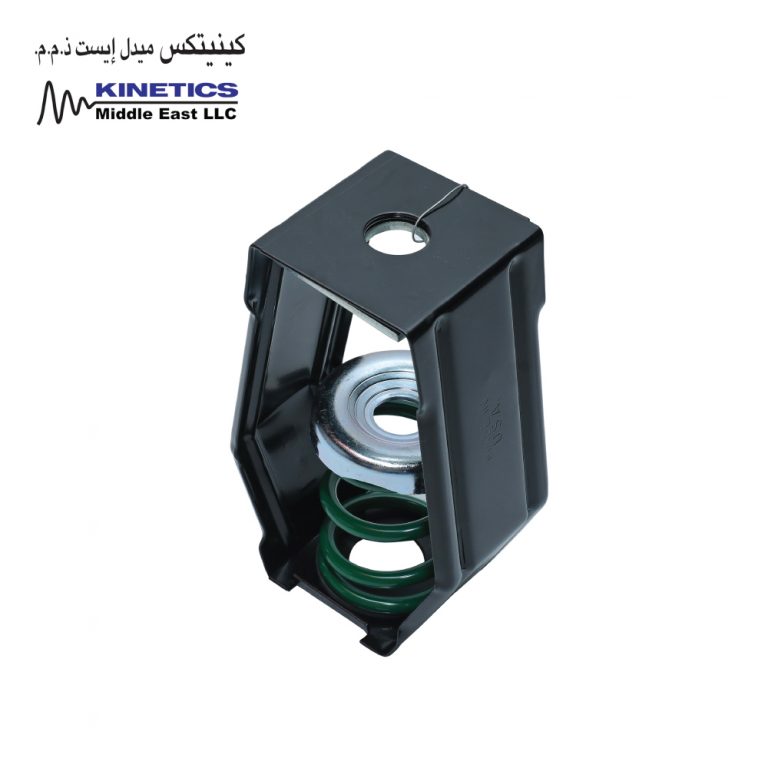
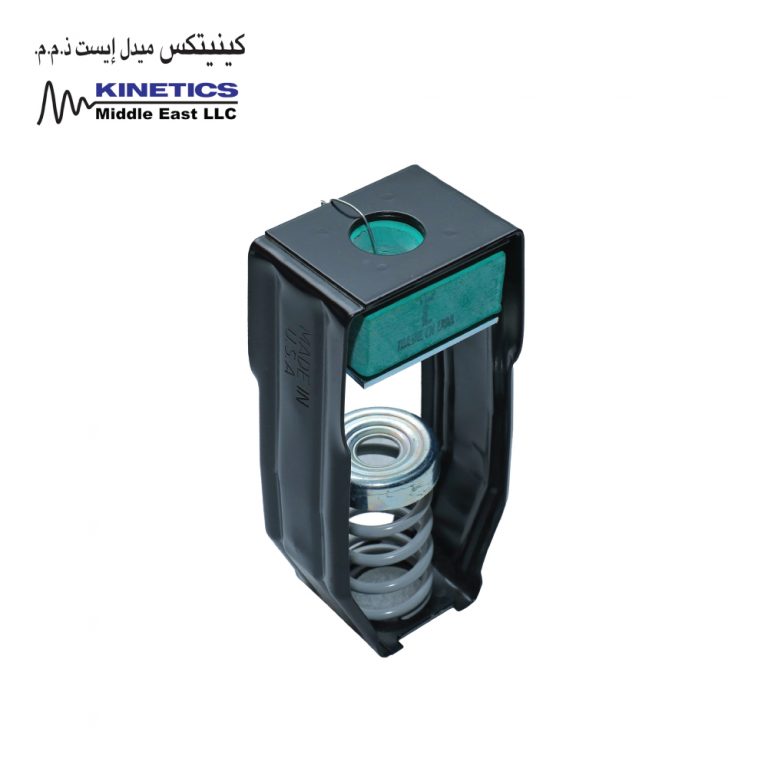
FH Fiberglass Isolation Hanger provides dependable isolation for suspended building services where high-frequency vibration and noise control are required. It is designed for mechanical equipment, electrical equipment, piping, and ductwork installed in ceiling spaces, plant areas, and high-temperature locations.
High-Frequency Noise and Vibration Isolation
Kinetics FH hangers help isolate high-frequency noise and vibration generated by suspended mechanical or electrical services. They are especially useful in ceiling areas where equipment, pipework, or ductwork may transfer vibration into the building structure.
In addition, FH hangers can effectively isolate high sound transmission loss ceiling systems. Where the vibration source produces predominantly low-frequency energy, Kinetics recommends SFH Spring and Fiberglass Isolation Hangers instead.
Fiberglass Advantage for Mechanical Rooms
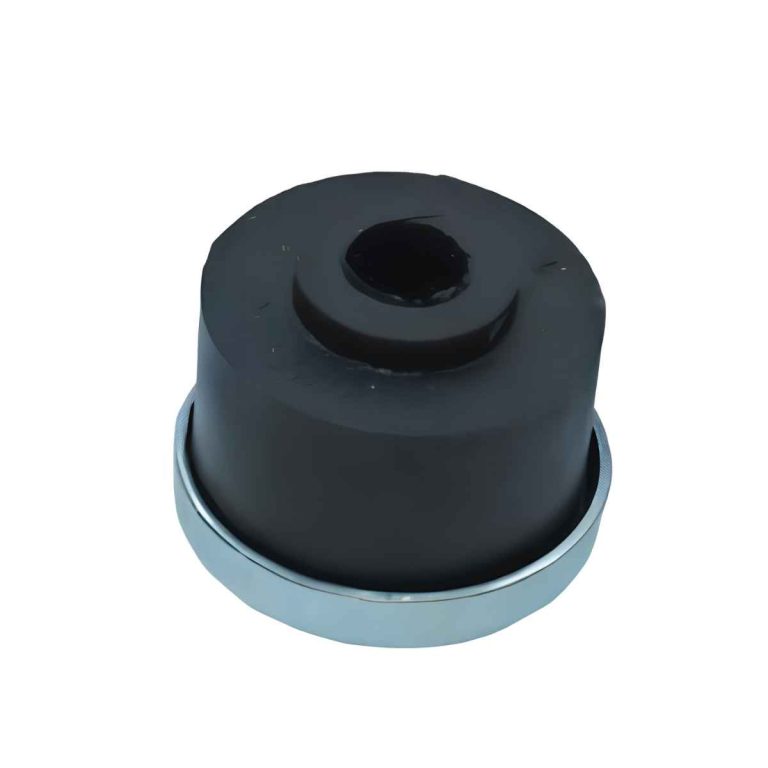
The FH hanger uses a precompressed, coded, moulded inorganic fibreglass isolation pad. This pad is attached to a steel load transfer plate and assembled within a stamped or welded steel hanger bracket.
Fibreglass offers strong value in high-temperature spaces such as mechanical equipment rooms. It also suits outdoor applications where temperature conditions fluctuate. Unlike neoprene-based pad hangers, fibreglass can perform in higher temperature applications, which makes FH hangers suitable for demanding HVAC and MEP environments.
Stable Isolation Over a Wide Load Range
The fibreglass pads consist of fine bonded annealed glass fibres with a fibre diameter of 0.00027 in. / 6.8 microns. During manufacturing, the material is stabilised by severe overloading and then coated with a flexible, moisture-impervious elastomeric membrane.
This fibreglass construction helps keep the natural frequency essentially constant over a wide operating load range. At the same time, the stiffness increases proportionately as the applied load increases. Therefore, FH hangers provide predictable isolation performance when the product is selected according to the project vibration isolation schedule.
Durable Hanger Construction
FH Fiberglass Isolation Hangers use a stamped or welded steel bracket designed to carry up to 500% overload without failure. The hanger also allows support rod misalignment through a 30° arc without metal-to-metal contact or other isolation short-circuiting.
The fibreglass insert is non-corrosive, non-combustible, non-absorbent, and resistant to rust, ozone, mildew, and fungus. It is also vermin proof and will not shrink, swell, or decompose. These material characteristics support reliable long-term performance in commercial, industrial, and infrastructure projects.
Load Range, Deflection, and Installation
Model FH hangers are available in sizes with load capacities from 40 to 1600 lbs. / 18 to 726 kg. They provide deflection from 0.14 in. to 0.34 in. / 4 to 9 mm. The specification applies where maximum static deflection under operating load conditions does not exceed 0.34 in. / 9 mm.
FH hangers are shipped fully assembled and ready for installation in threaded rod suspension systems. The manufacturer selects the hanger for each specific application to meet the required deflection shown on the project documents or vibration isolation schedule.