SFH Fibreglass Spring Hanger is an engineered spring and fibreglass vibration isolation hanger designed for suspended mechanical services that require effective control of both low-frequency vibration and higher-frequency noise.
Built for HVAC and MEP Vibration Isolation
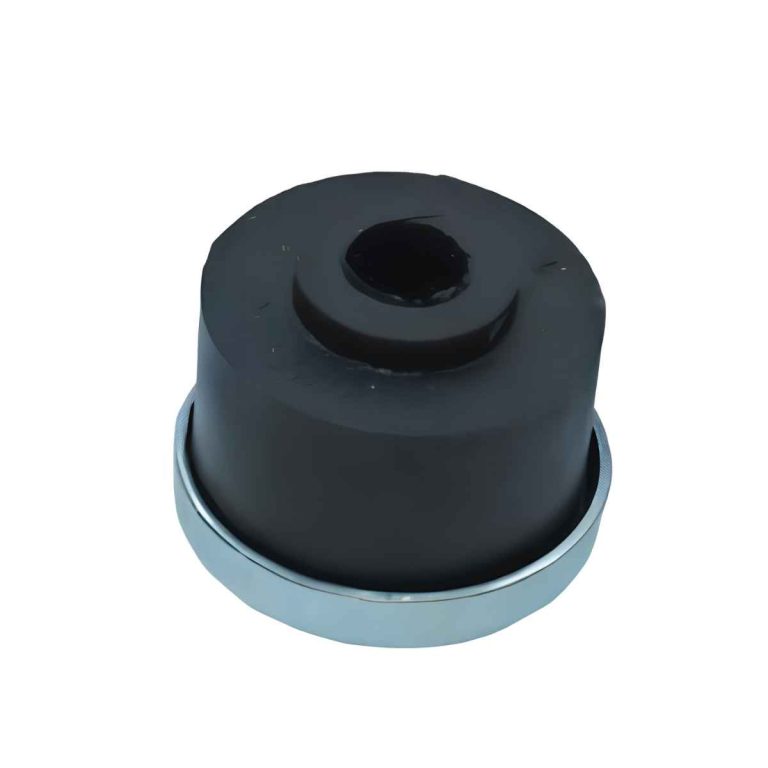
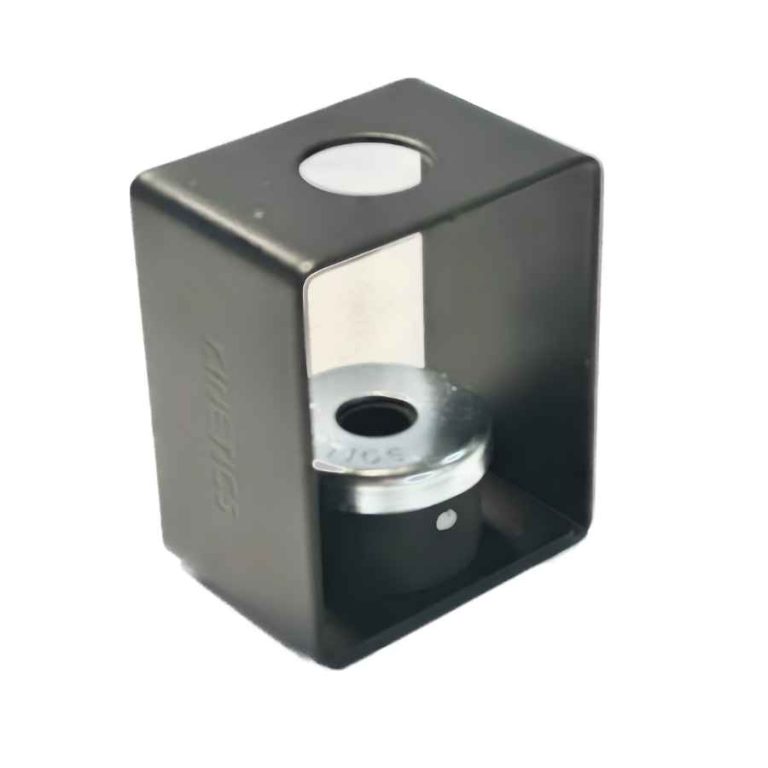
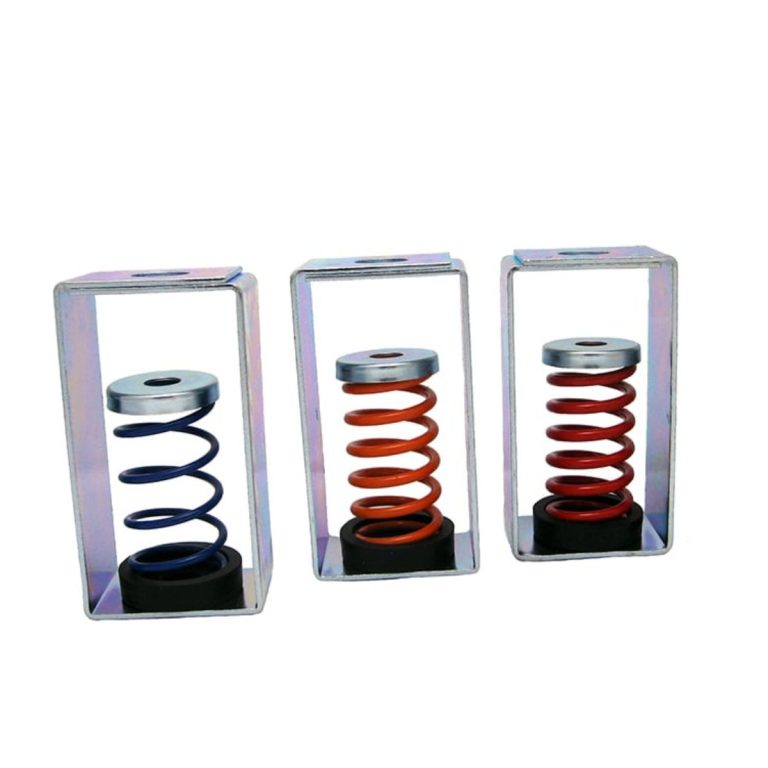
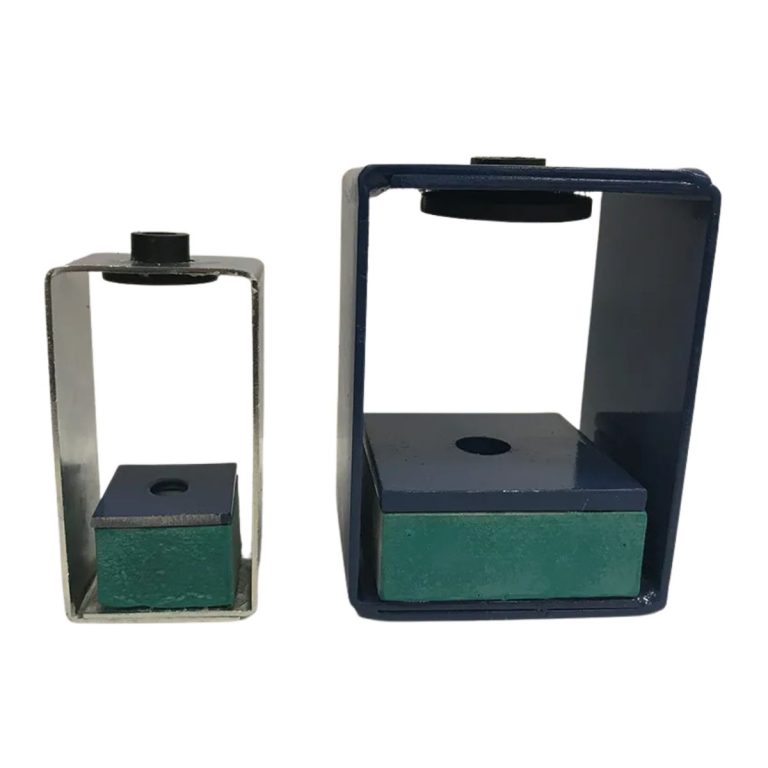
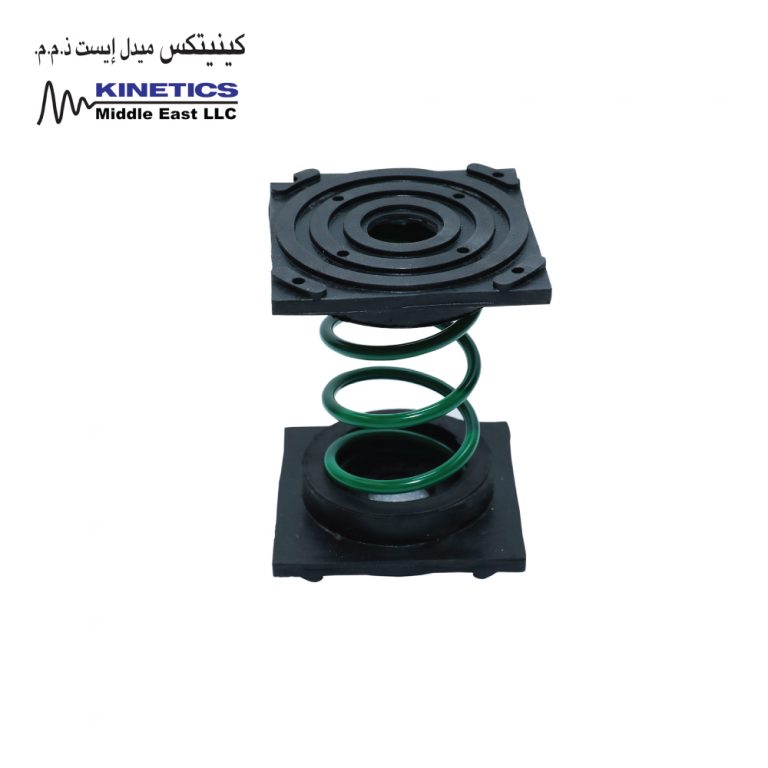
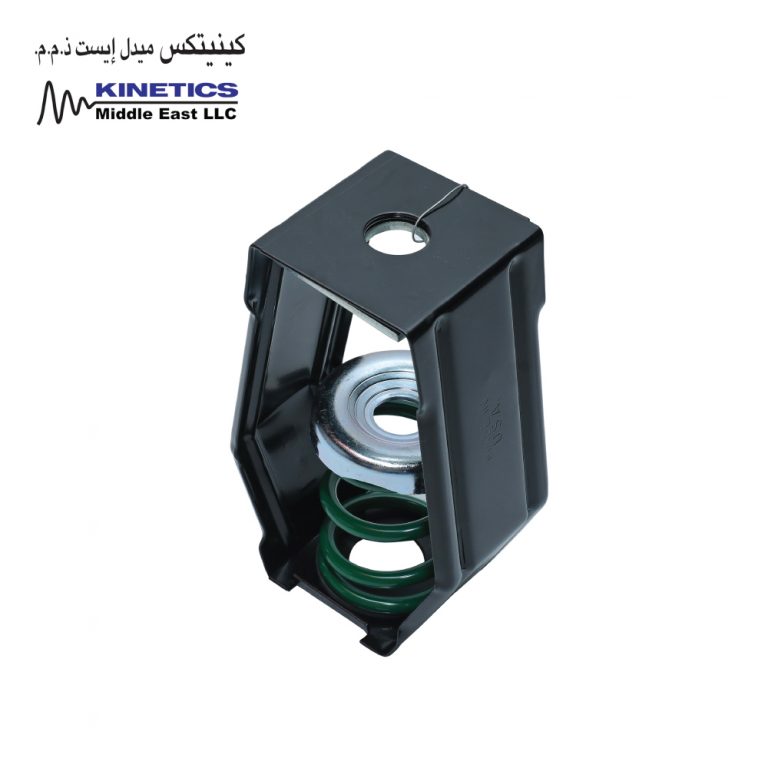
Kinetics Model SFH hangers consist of free-standing, large-diameter, laterally stable steel springs installed in series with a precompressed moulded fibreglass insert. This assembly is housed within a durable stamped or welded steel hanger bracket, making it suitable for suspended mechanical equipment, piping, and ductwork in building services applications.
Spring and Fibreglass Isolation Performance
The SFH design combines the benefits of spring isolation and fibreglass isolation in one hanger assembly. As a result, it helps isolate both low-frequency vibration and higher-frequency structure-borne noise more effectively than hangers that rely only on springs or elastomeric pads.
Each hanger includes a high-deflection, colour-coded spring element and a fibreglass isolator with load transfer plates. The spring element provides predictable vertical isolation, while the fibreglass insert supports noise control across the operating load range.
Stable Hanger Design for Mechanical Systems
The spring element has minimum lateral stiffness equal to its rated vertical stiffness. Therefore, the hanger maintains stability during operation and allows support rod misalignment through a 30° arc without metal-to-metal contact or isolation short-circuiting.
The hanger bracket assembly is designed to withstand up to 500% overload without failure. In addition, the polyester powder-coated bracket and spring coil help support corrosion resistance. Springs are also designed with colour coding or identification to indicate load capacity.
Suitable for Noise-Sensitive Spaces
SFH Fibreglass Spring Hangers are recommended for noise-sensitive buildings and areas where suspended systems may transmit vibration into the structure. Typical uses include in-line fans, cabinet fans, transformers, ductwork, and piping installed near vibration-generating equipment.
They are also suitable for critically quiet spaces and high-performance ceiling systems. When used in ceiling suspension systems, SFH hangers help support high sound transmission loss and improve isolation from low-frequency sources such as mechanical rooms, aircraft flyover, and similar noise conditions.
Installation and Selection Support
Standard SFH hangers are supplied fully assembled for threaded rod suspension systems. A wide range of load capacities and static deflections is available, including approximately 1 inch to over 4 inches, depending on project requirements.
Kinetics SFH vibration isolation hangers are also available in preloaded form as Kinetics SFPH. This option can simplify installation where piping or suspended services must be set at a fixed elevation.
For piping applications, Kinetics recommends installing spring hangers on all piping within the equipment room and on the first 50 ft / 15 m of piping extending beyond the equipment room. For typical installations, the three hangers closest to the equipment should match the equipment isolator deflection, while the remaining hangers should have a minimum deflection of 1 in. / 25 mm. In noise-sensitive areas, hangers should match the equipment isolation deflection, and all piping within the building should be isolated.
Specification Overview
SFH Fibreglass Spring Hanger is classified under Division 23 HVAC, Section 230548: Vibration Isolation, and is referenced as an ASHRAE Type 3 isolator. It is designed for suspended equipment where the minimum static deflection requirement exceeds 0.4 in. / 10 mm and where both high- and low-frequency vibration isolation is required.
The combination isolation hanger assembly with fiberglass insert shall be Model SFH, as manufactured by Kinetics Noise Control, Inc.
RESOURCES
SPECIFICATION DETAILS
DIVISION 23 HVAC
ASHRAE Type 3 Isolator
SFH SUBMITTALS
METRIC SFH SUBMITTALS
SFH DRAWINGS
SFPH SUBMITTALS
METRIC SFPH SUBMITTALS